

Family Fundraisers

Family in need
Hi, my name is Patrick. I have three precious children who are in a bad situation. Their mother has developed a severe mental health condition and tur...
Loading...
Supporting The Pulvinar Gobris Family
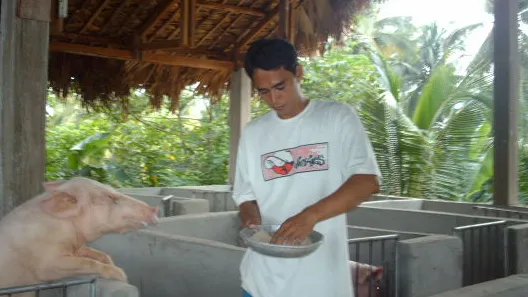
Let's Rebuild Lolo's FarmWay back in August, 2007, I had the absolute joy of helping a family I met from the Philippines with building a structure the...
Loading...

Military & 1st Responders Family Story project
OUR STORYWe were challenged in 2010 by Clair D. ofStratham NH, wife of a NH National Air Guardsman to get local sponsors to provide GiftSubscriptions...
Loading...

J6er Still Rebuilding after 3 years Imprisonment
Finally...PARDONED by Trump!! We are rebuilding a new life, with a standing legal debt of over 40k and new expenses for basic necessities after...
Loading...
Oklahoma CPS Corruption Bowles Family Fundraiser
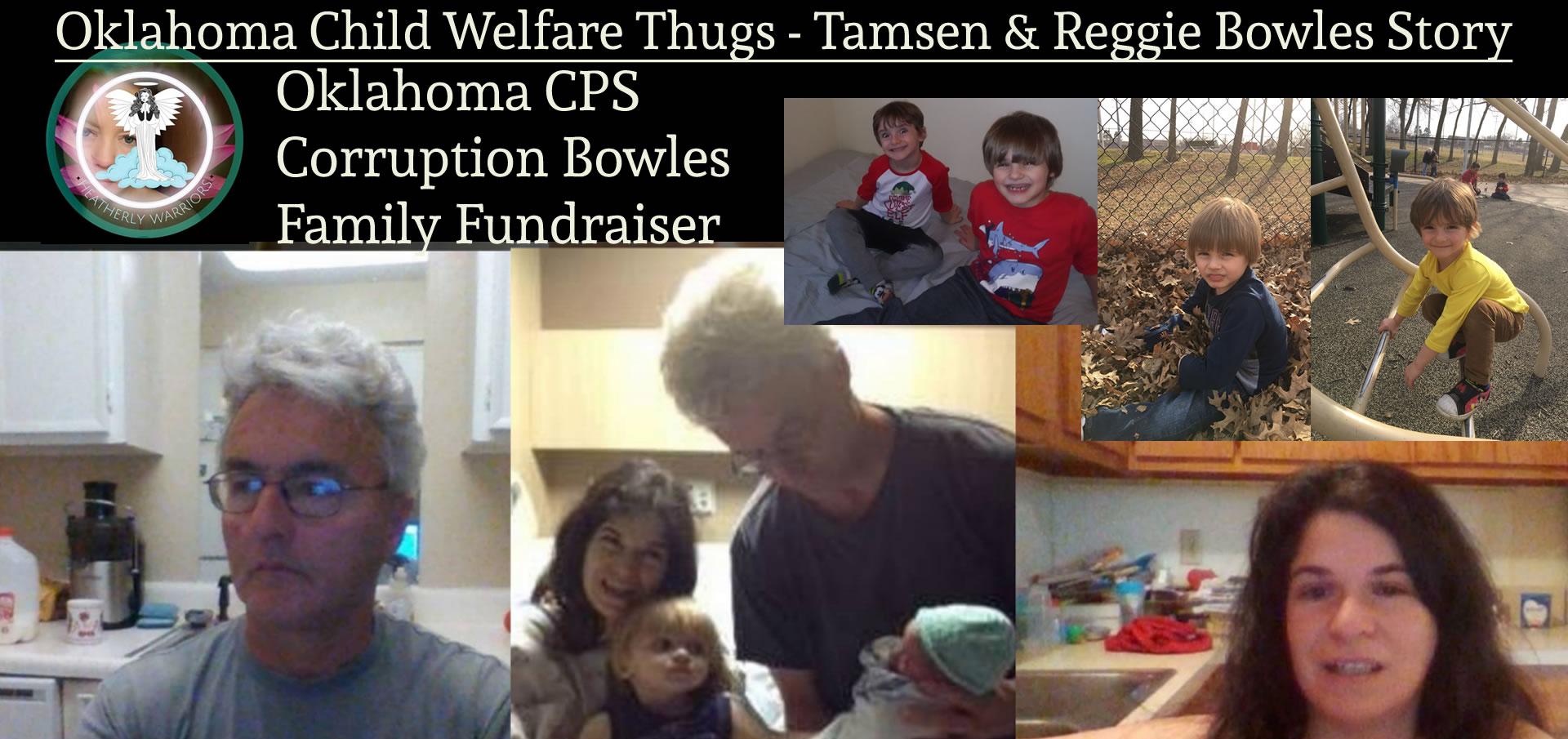
Oklahoma Child Welfare Thugs - Tamsen & Reggie Bowles Story================================================================Help Support Tamsen and...
Loading...

Help a Veteran Save His Family
Air Force Veteran Family Fund Mark Stemann is a retired 20 year USAF veteran from Cincinnati, Ohio. He has been married to Terri Lynn Stemann for 28 y...
Loading...
Skala Family
Our beloved friends George and Fernanda need our help. On 9/7/19, after working a night shift, George had a massive heart attack. He was rushed to...
Loading...
What families raise money for here
The Family category holds the needs that don't fit a sharper label. The category you pick doesn't change how well a fundraiser can do. Most fundraisers land here because of a bill nobody planned for: rent or a mortgage payment that can't be covered this month, a car that finally died, funeral costs after a sudden death, the medical bills insurance left behind, or the cost of a household that just grew by one. Anyone can start a fundraiser on GiveSendGo. You don't need a nonprofit, an EIN, or anyone's permission. When you set one up, you pick the recipient's country, set a goal, choose a category, write your story, add a photo or a short video, and publish. If writing the story is the part that stalls you, MICA, GiveSendGo's AI writing assistant, can draft one from a short description and you can edit it from there.
An ordinary bill is a real reason to ask
Most fundraisers in this category aren't built on one dramatic day, and there's no diagnosis or lawsuit behind them, just a month where money's tight or there's an unexpected expense. Creators here often feel like a burden and spend more words apologizing for asking than being honest about what they need, but that gets it backwards. Name the bill, say what it covers, and say what changes once it's paid.
Our help desk names the same key elements every time: a realistic goal, a specific breakdown of what the money covers, a clear personal story with a direct ask, strong photos or a short personal video, regular updates, and steady sharing rather than a single post.
"We kind of felt a little guilty. Do we really need to start a GiveSendGo? We need the help, but it feels like a bit of a big ask. My buddy said, 'You start the campaign, and we'll get you taken care of.'"
— Brennen H., who raised for a move to Alaska
How to raise money for medical bills
Medical bills are one of the most common things families raise for here. They're also easy to get stuck on when writing, because the overall total is frightening while the smaller pieces are what people can actually cover. Four things to get down before you publish:
- List what's owed, piece by piece. Name the hospital balance that's still open, the specialist your insurance denied, the prescription, and the drive to treatment, because each line gives someone a specific thing to pay for.
- Set the goal to the number in front of you rather than the whole projected cost of the year, so the page shows real progress instead of a gap that never closes. You can always increase the goal later as you hit smaller milestones.
- Name who receives the money. The fundraiser creator who sets a fundraiser up and the recipient whose bank account receives it don't have to be the same person, which matters when the patient is in no shape to be typing.
- Keep the page updated as things change. Regular updates and steady sharing sit on the help desk's short list of what makes a fundraiser work, so plan to post more than once.
Write the list before you publish
A fundraiser doesn't reach anyone on its own, and the people most likely to give are the ones who already know you. So write out who you'll send it to before you publish. Make that list longer than the handful you'd think of first: extended family, your church or small group, coworkers, neighbors, old friends, and any parent or school group you're part of. Then send it as a plain text message rather than one broadcast post, because a link addressed to one person gets opened. "I set this up for my mom's hospital bills, would you take a look?" is enough.
What it costs, and when the money reaches your bank
GiveSendGo doesn't take a cut. There's no platform fee. What's deducted is the payment processor's fee: 2.7% + 30¢ per gift for US fundraisers, 3.5% + 30¢ outside the US. On a $100 gift to a US fundraiser, $97 reaches you. GiveSendGo runs on the optional tip at checkout, so no percentage of what a family raises comes to us.
Your first gift becomes available 5 days after it's received. Every gift after that becomes available on a rolling 3-day basis. Once you request a transfer, it typically lands in your bank within 2 to 3 business days. Non-USD transfers can take longer.
The rest of the mechanics, in one place:
- Who can receive it: the recipient must be 18 or older, live in the fundraiser's country, and have a bank account there. If their country isn't supported, a trusted adult in a supported country can be named as recipient and pass the funds along.
- Verification comes before any money moves. Every recipient completes identity verification before any transfer, and review starts once their ID is uploaded and the first gift has arrived, whichever comes later. It usually finishes 1 to 2 business days after that, and it isn't waived for anyone.
- Choose the country carefully at the start, because the recipient's country can't be changed after the fundraiser is created.
- Getting the money out: request a transfer from the Transfers tab whenever funds are available, or set transfers to go out weekly, bi-weekly, or monthly. In the US, use a checking account, since transfers are sent as checking transactions and a savings account may be rejected by the bank. Minimum transfer amounts vary by country.
If you came here to give rather than to ask
Every fundraiser listed above names its creator and its recipient, so you know who your gift reaches before you send it. Card details run through a PCI Level 1 certified processor, the highest tier in the payments industry, and they're never stored on GiveSendGo's servers. A receipt reaches you by email as soon as the gift goes through.
Common questions
How do I raise money for medical bills my family can't cover?
Start a fundraiser and name the bills. Medical costs are one of the most common things people raise for on GiveSendGo, and you don't need a nonprofit or an EIN to do it. List what's owed and what each piece covers: the remaining hospital balance, the specialist your insurance denied, the drive to treatment. A specific breakdown of where the money goes is one of the things the help desk names as making a fundraiser work.
Can I start a fundraiser for myself or my own household?
Yes. Anyone can start a fundraiser, for themselves or on behalf of someone else. Family and personal needs are one of the categories GiveSendGo explicitly hosts, alongside medical bills, funerals and memorials, emergencies, education, and legal defense. Whoever the money is for has to be named as the recipient and complete identity verification before funds can transfer.
How much of what we raise actually reaches us?
GiveSendGo doesn't take a cut, and there's no platform fee. The payment processor's fee is 2.7% + 30¢ per gift for US fundraisers and 3.5% + 30¢ outside the US, so $97 of a $100 gift reaches a US fundraiser. Two other things affect the number: at checkout your givers see an optional tip to GiveSendGo they can set to any amount including $0, and if you set a creator percentage to GiveSendGo when you created the fundraiser, that amount is added on top of each gift and shown to your givers at checkout. That percentage is editable anytime in your fundraiser Settings.
How soon can we get the money out?
Your first gift becomes available 5 days after it's received. After that, gifts become available on a rolling 3-day basis. Once you request a transfer it typically reaches your bank within 2 to 3 business days, and your bank's own posting schedule decides when it shows in the account. Non-USD transfers can take longer. You can also set transfers to go out weekly, bi-weekly, or monthly instead of requesting each one.
Is the money we raise taxable income?
In most cases, no. Funds raised are treated as personal gifts rather than taxable income, as long as nothing is given in exchange for the gift. GiveSendGo doesn't issue 1099s to recipients or report gifts to the IRS. If a fundraiser involves a business, a political cause, or rewards for givers, the IRS may treat it differently, and that's a question for a tax professional.
Are gifts to our family fundraiser tax-deductible for the person giving?
Nothing given on GiveSendGo is tax-deductible unless it goes through GiveSendGo Charities, the 501(c)(3). That includes the Giver Army, which is Charities' recurring giving program. The one exception is a recipient that is itself a verified 501(c)(3). GiveSendGo itself is not a 501(c)(3), does not verify any recipient's tax status, and does not issue tax receipts for a personal fundraiser. When the recipient is a nonprofit, the receipt comes from them, not from us.
Can we keep our fundraiser out of search so only the people we send it to see it?
You can set your fundraiser to private: it stays out of GiveSendGo search results and category listings, so only people you send the link to will find it. Your name still shows to anyone who opens it. GiveSendGo is a public platform, and the creator's and recipient's names always display on the page.
Who can receive the money?
The recipient must be 18 or older, live in the fundraiser's country, and have a bank account there. They'll also provide a valid tax ID for that country, a government-issued photo ID with date of birth, a phone number, and a residential address, with no PO boxes. If the recipient's country isn't supported, a trusted adult in a supported country can be named instead, receive the funds, and pass them along.
Our fundraiser isn't showing up in this category yet. Why?
A few reasons: it's still unpublished, it's set to private, it was published very recently (search can take up to 48 hours), or it hasn't yet met the category-listing threshold of published for 5 days and $100 USD or equivalent raised in online gifts. Offline gifts don't count toward that threshold.
How do I find one specific family's fundraiser?
Search GiveSendGo.com by the fundraiser title, the recipient's name, or the creator's name. If site search doesn't surface it, search "[name] GiveSendGo" on Google, Bing, or DuckDuckGo. A fundraiser set to private won't appear in search at all. You'll need the direct link from the family.
