

Blog
 Devotionals
Trust the Process of Becoming
Posted by Rene Marroquin on Oct 1, 2026
Between 2013 and 2015, I served with Ordinary Missionaries of Guatemala, a ministry started by a man from Colorado who sold everything he owned to build a school and bring hope to kids who had none. We fed the hungry, helped the sick reach doctors they could never afford, and walked alongside pastors trying to shepherd their people well. But one afternoon in a small rented house with a dirt floor and a wobbly wooden desk, I learned something about grace that I am still learning today. My friend George had made a promise to a group of kids at the start of the school year. If they passed every class, from January... all the way through October, he would take them to the beach for the first time in their lives. It sounds simple, but for kids in the mountains of Guatemala, the beach was a dream, something they had only heard about. So, they worked. They stayed after school, did their homework, studied for tests, and slowly... a whole year of effort built up toward that one promise. One by one, the kids sat across from George while I translated, and we found out who had earned the trip. Nine kids had turned their whole year around and earned their place on that beach trip, and it was pure joy to tell them so. But then came Brayan; I was nervous for him. He had improved so much, going from six failed classes to just three, and I could see how proud he was as George told him so. And honestly, in my heart, I wanted George to just show him "grace" right there. I wanted him to say, "Brayan, even though you came up short, we still love you, so come on, let's bring you to the beach anyway. That's what Christians do, right?" Or so I thought. That was my heart in that moment. Not a bad heart, but not the full picture either. But George stood his ground. He looked at Brayan and said, "We love you. This was a better year, you only lost three classes instead of six, you're growing. But the deal was to pass all of them, so this year you're not going to the beach." Brayan just smiled, said, "Thank you, Mr. George, thank you, Mr. Rene," and walked out. I was floored. Honestly, I was so mad, I had to walk out to collect myself. I thought, who does this guy think he is?!! He could have brought him along and still helped him grow. But George was teaching all of us something deeper. Real grace is not cheap; it has a cost. It has a shape factor to it. It cares more about who we are becoming than about making us feel good in the moment. That's why grace and truth need to be together. If you show only grace, you get an unfair outcome. If you just give truth all the time without grace, you will hurt people. That is what I think of when I read that God is a rewarder of those who earnestly seek him. But the reward is not always the bigger house, the newer car, or the thing we think we deserve right now. Sometimes the reward is delayed on purpose, because God is shaping our character, not just handing us comfort. Brayan did not get his beach trip that year, but he got something better: the chance to grow into the kind of person who finishes what he starts. He understood that hard work pays off, and just because he failed 3 classes, love was never subtracted from him or compassion, nor was truth. Actually, if you think about it, he was shown grace for a whole year that helped him in his next steps as he became a better student. Brayan walked out of that room with a smile, trusting his coach even in the disappointment. And I am reminded of Jeremiah 29:11, where God says, "For I know the plans I have for you, declares the LORD, plans for welfare and not for evil, to give you a future and a hope." I hope this encourages you, and if you haven't already, be grateful to the Lord for where you're at and trust the process of becoming. Here's Brayan right in front of me in the black shirt. He ended up going to the beach the following year.
 Fundraising Tips
Church Fundraising: Free, Faith-Based Fundraising for Churches
Posted by Alex Shipley on Sep 19, 2026
Every church has a list. The roof that needs replacing before winter. The teenager who got invited on a mission trip and can't cover the cost. The family in the third pew who can't pay the bills this month. The list is always there, and it's usually longer than the offering plate can cover on its own. Church fundraising is how a congregation turns "someone should do something" into "here's what we did." And it turns out you don't need a gala, a committee, or any special training to do it. Here's why churches use GiveSendGo, what they raise for, and how to start one of your own. Why Churches Use GiveSendGo Churches come to GiveSendGo for a long list of reasons: mission trips, building repairs and expansions, new sound equipment, outreach programs, disaster relief, and the day-to-day needs of a member who's struggling. We put together a list of 50 church fundraising ideas that actually work. Whatever the cause, the fundraiser becomes a place where a congregation, and often a wider community, can rally around it together. A few things make it a natural fit for churches specifically. It's free, and the fee is lower than most. GiveSendGo charges a 0% platform fee, so no percentage of what your church raises gets skimmed off the top. The only cost is standard card processing, which comes out before the transfer, and it's lower than what many other platforms charge. For a church watching every dollar, that difference goes straight back into the mission. Faith isn't an add-on, it's the whole point. GiveSendGo was built by Christians, so you're not squeezing a ministry need into a secular tool. That means you and your church can feel good about the platform you've chosen. Every fundraiser has a Pray button right next to the Give button, so people who can't give financially can still lift your church up in prayer, and plenty do. And our Hope Team calls and prays for the people behind fundraisers, no pitch, no catches, just genuine encouragement. No one gets turned away for what they believe. Churches have watched other platforms quietly remove faith-based fundraisers under public pressure. On GiveSendGo, your beliefs aren't under a microscope. Sharing the hope of Jesus is the whole reason our platform exists, and we believe people should have the freedom to fundraise for any legal cause God has called them to. It's built for people who've never done this before. Setting up a fundraiser takes minutes, and if a first-timer gets stuck, a real person on our support team answers quickly and thoughtfully. How Fundraising for Churches Works If your church has never run an online fundraiser, the process is simpler than you'd expect. There's no application to fill out, no waiting period, and no need to be a financial expert. Here's how it works from start to finish. You create a fundraiser. One person, a pastor, a staff member, a lay leader, or even a member acting on the church's behalf, sets up the page. You pick your country, choose a category, give the fundraiser a clear title, write out the need, and add a photo or short video. The whole setup takes just a few minutes. You set a goal and tell the story. Decide on an amount your congregation can realistically picture reaching, and explain plainly what the money is for and who it helps. Specific, honest stories raise far more than vague appeals, so "a new roof over the fellowship hall before winter, $18,000" will always outperform "help support our church." You share it. A fundraiser doesn't spread on its own. Send it first to the people closest to the need, your congregation, then encourage them to share it with their own families, friends, and networks. Sharing early and often, especially in the first few days, is the single biggest driver of a successful fundraiser. People give, and pray. Supporters can give in a few clicks, and on GiveSendGo they can also leave a prayer through the Pray button, whether or not they're able to give financially. For a church, that combination of practical and spiritual support is the whole point. The money reaches your church. As donations come in, funds become available to transfer to the recipient's connected bank account, on your schedule, automatic or manual. GiveSendGo takes no platform fee, so aside from standard payment processing, what's given is what your church receives. That's the entire process. No gatekeeping, no complicated paperwork, just a straightforward way for a community to meet a need together. Real Churches, Real Stories Want proof church fundraising works? Look at the churches already doing it. A First Mission Trip to Honduras When Andrew L. got the chance to go on his very first mission trip, with a team from his church heading to Honduras to help build a house, he set a modest goal of $1,000 and started sharing it. He didn't just hit the goal. He passed it, reaching $1,300 with two full months to spare before the team even left. He later posted on our Prayer Wall: "My fundraiser for my very first mission trip ended up becoming 130% funded and I still have two months before our team even leaves. Thanks to generous contributions from my family and friends I'll be able to help build a house in Honduras. Super excited to make a difference in another country and be the hands and feet of Christ." That's the pattern that really works: a reasonable goal, a story told plainly, and a circle of family and friends who were glad to be asked. A Chapel Built in Lily's Memory Some fundraisers carry more weight than others. The Braszko family set out to build a small memorial chapel in northwest Missouri to honor their 18-year-old daughter, Lillian "Lily" Grace, after her long battle with cancer. Lily helped shape it herself, offering design preferences for how she wanted the chapel to look, a tall building with white walls and a blue domed roof, built in a traditional Christian style, meant to be a place of peace and prayer for family and friends for years to come. The family chose GiveSendGo because it's a Christian crowdfunding site. As the chapel has taken shape, they've kept posting updates so everyone who gave can watch Lily's legacy rise brick by brick. In one, reflecting on the year since her passing, the family wrote that they miss her as much as ever, but "do not mourn as those with no hope." They thanked everyone who gave for helping turn the dream they shared with Lily into something real. When a Church Carried Its Pastor Sometimes the person in need is the one who's usually doing the caring. Steve Mathews, a pastor in Valdese, North Carolina, contracted a flesh-eating bacterial infection that nearly took his life and cost him both legs and part of a hand. The recovery ahead was long and expensive: medical bills, travel, prosthetics, therapy, and a home that suddenly had to work differently. He didn't have to ask. A friend of Steve and his wife Dawn started a fundraiser for them, and their church, family, and friends rallied around it, helping cover the mountain of costs that come with a catastrophe like this one. The congregation Steve pastors even threw the couple a welcome-home celebration. It's a picture of the church being the church, the body caring for one of its own when he couldn't care for himself. You can watch our interview with Steve or read his full story on our blog. Steve's story is a reminder that a fundraiser can be started by anyone, not only the person in need, or those closest to them. When someone is walking through the worst season of their life, they often don't have the energy, ability, or the heart to ask for help themselves. A friend, a family member, or a fellow church member can carry that part for them, setting up the fundraiser and telling the story so the person in crisis can focus on healing. What Real Churches Are Saying Church leaders setting up their first fundraiser tend to worry about a few things: whether it'll be complicated, what the fees will cost, and whether real support will actually be there if something goes wrong. Here's what a few of them said after running their fundraiser and leaving five stars for the experience. Robyn S. set up a first-time fundraiser and, when she ran into questions, she said, "I had excellent support." They were prompt and thorough enough that her fundraiser was set up correctly and taking donations quickly, and her church now plans to use the platform for future member and school needs. For Gale B., who ran one for her church, it came down to the ease and the cost: "Easy to set up, and the fee [their processor charges] is cheaper than any other." She was struck by the service, too: when she reached out with a question, support replied the same day, even though it was a Saturday. And sometimes the review is just short and glad. As one church organizer, R.T., put it: "Our church is using GiveSendGo for a fundraiser. What a great experience. Highly recommended." Where to Start Wondering whether your need is something you can even fundraise for? Almost certainly yes. We've pulled together a full list, from building projects and mission trips to member needs and community outreach, in our guide to 50 church fundraising ideas, along with how to get started with any one of them. When you're ready, starting takes about as long as reading this article. Click Start a GiveSendGo, then pick your country, choose a category, tell your story, and add a photo or video. Set a goal your congregation can picture reaching, tell the need plainly, and send it to the first handful of people who'd want to help. That's usually all it takes to get moving. (For a fuller walkthrough, here's exactly how GiveSendGo works.) "And my God will supply every need of yours according to his riches in glory in Christ Jesus" (Philippians 4:19). Often, he does it through his people. Your church already has the list. This is how you invite them in to start helping. Ready to begin? Start a church fundraiser. Frequently Asked Questions What is the best crowdfunding site for churches? The best fit for a church is a platform built with faith in mind, one that won't remove a fundraiser for being Christian, doesn't take a cut of what's raised so more reaches the mission, and treats prayer as part of the experience rather than an afterthought. GiveSendGo was created as a Christian crowdfunding site for exactly this reason, with a 0% platform fee, a Pray button on every fundraiser, and a support team that understands ministry needs. Ultimately the "best" site is the one your congregation can trust and use easily, and for many churches that's the deciding factor. Can a church set up a GoFundMe? A church can technically use most general crowdfunding platforms, but many congregations choose a faith-based option instead. The difference comes down to values, features, and support. GiveSendGo was built by Christians for everyone, with the mission to share the hope of Jesus through crowdfunding. That heart is why prayer is at every corner: the Pray button sits right next to the Give button, the Hope Team calls and prays by name for the people behind every fundraiser, and the Prayer Wall gives anyone a place to post a request. It also matters that GiveSendGo won't pull a fundraiser over faith-related content, the way some secular platforms have. And when you need help, real people are there, around the clock. GiveSendGo staffs live agents 24/7, no bots, and is known for some of the fastest support in crowdfunding, which makes all the difference for a first-time organizer. Between a platform that shares your beliefs, answers when you need it, and lets supporters pray as well as give, most churches find it a far better fit than a secular alternative. How do I get funding for my church? Start by naming a specific need, whether it's a building repair, a mission trip, a member in crisis, or your general ministry fund, then set a realistic goal and create a fundraiser people can share. Tell the story plainly, add a photo or video, and send it first to your congregation, encouraging them to pass it along to their own networks. Sharing early and often is the biggest driver of success, and pairing the ask with prayer invites your whole community to take part, whether or not they can give financially. What can a church use donations for? Churches raise funds for nearly everything: building projects and repairs, mission trips, missionary support, benevolence for members in need, outreach programs, staff and pastor support, equipment, church plants, and day-to-day operating costs. If it's a real, legal need in the life of your church, it's something you can fundraise for. The clearer and more specific the purpose, the more freely people tend to give. Does my church keep all the money it raises? GiveSendGo charges a 0% platform fee, so we take no cut of what your church raises. The only cost is the standard payment processing fee, and that's charged by the payment processor to handle the card transaction, not by GiveSendGo. That fee is lower than what most other fundraising platforms charge, so your church keeps more of the money it raises, and it comes out before the transfer, so what lands in your account is simply what's left after processing. There's no separate fee for starting a fundraiser or for making multiple transfers. How long does it take to get the money? Once a recipient is set up with identity verification and a connected bank account, funds become available to transfer as donations come in. You can set transfers to go out automatically on a schedule or request them manually, and once a transfer is processed, it typically reaches the bank account within a few business days. The exact timing depends on your bank, but there's no long waiting period built into the process.
 Fundraising Tips
50 Church Fundraising Ideas That Actually Work (2026)
Posted by Alex Shipley on Sep 19, 2026
If you've arrived on this page, you probably already know of a need in your church, but maybe you're also asking yourself, "Can people really fundraise for that?" or "If I start one, will it be successful?" A leaky roof, a struggling family, a mission trip, a new sound system, or a legal battle are all things people will gladly give toward, and all things that succeed on GiveSendGo every day. If it's a real need in the life of your church, it belongs on this list. It doesn't take much to start. Set a goal people can realistically reach. Make the need clearly known to your congregation, community, or other supporters. Then let generosity do its work. "And do not neglect to do good and to share what you have, for such sacrifices are pleasing to God" (Hebrews 13:16). Making a need known isn't a burden, it's an invitation. It gives others the chance to step in, to be obedient with what God's given, and to share in a blessing that lands on the giver just as much as the receiver. And on GiveSendGo, giving money is only part of it. Prayer is built into every fundraiser through the Pray button, so people who can't give financially can still come around a need and lift it up, and those who do give can also pray. For a church, that matters. Sometimes the support that carries a family through isn't only the money, it's knowing a hundred people are praying them through it. Below are 50 ideas, grouped by the kind of need they meet, from buildings and members to missions and the quiet work that keeps the lights on. Find the one that's already on your heart, and begin there. When you're ready, you can start a free fundraiser in just a few minutes. GiveSendGo charges a 0% platform fee, so what your church raises goes to its mission. Church Fundraising Ideas at a Glance Not sure where to begin? This table rates all 50 ideas on three things: the effort to run it, the upfront cost to get started, and the profit potential once it's going. Skim for the option that fits your church's time, budget, and goal. # Idea Effort Upfront Cost Profit Potential 1 Church building repairs or remodels Medium Low High 2 Building a church from the ground up High Low High 3 New heating, cooling, and major systems Low Low High 4 Church vans and vehicles Low Low High 5 Parsonage purchase, repairs, or remodel Medium Low High 6 General upkeep and maintenance Low Low Medium 7 Accessibility improvements Medium Low Medium 8 Member medical bills Low Low High 9 Groceries and everyday needs Low Low Medium 10 Home rebuilds after disaster Low Low High 11 Medical equipment Low Low Medium 12 Funeral expenses Low Low Medium 13 Adoption and foster care support Low Low High 14 Benevolence fund Low Low Medium 15 Mission trips Low Low Medium 16 Overseas missionary support Low Low Medium 17 Bible translation Low Low Medium 18 Operation Christmas Child Medium Low Low 19 Food pantry Medium Low Medium 20 Homeless shelter and outreach Medium Low Medium 21 Recovery and rehabilitation ministry High Medium High 22 Women's shelters and domestic-abuse ministries High Medium High 23 Prison and jail ministry Medium Low Medium 24 Community outreach events High Medium Medium 25 Outreach materials and evangelism resources Low Low Low 26 Summer camps Medium Low Medium 27 Vacation Bible School Medium Medium Medium 28 Christmas and Easter programs High Medium Medium 29 Choir, band, and worship ministry Low Low Medium 30 Church dinners and fellowship meals Medium Medium Low 31 Parents' night out Medium Low Low 32 Trunk or Treat and fall festivals High Medium Low 33 Conferences, attending or hosting Medium Medium Medium 34 Church plants High Low High 35 Home churches Low Low Low 36 Discipleship and leadership training Medium Low High 37 Internships and ministry residencies Low Low High 38 Church school Medium Low High 39 School outreach and support Medium Low Medium 40 Bibles Low Low Low 41 Multilingual and translation ministry Medium Low Medium 42 Sound, lighting, and AV equipment Low Low High 43 Signage and wayfinding Low Low Medium 44 Church website and online presence Medium Low Medium 45 Online tithing and recurring giving Low Low High 46 Billboards and local advertising Low Medium Medium 47 Church-wide garage sale High Low Medium 48 Pastor and staff support Low Low Medium 49 Staff retirement Low Low Medium 50 Legal defense and religious-liberty needs Low Low High Buildings and Property 1. Church building repairs or remodels. Roofs, plumbing, foundation cracks, worn-out flooring, a sanctuary that hasn't been touched since the 1980s. These are the unglamorous needs that keep a church safe, dry, and usable week after week. They rarely fit into a normal operating budget, which is exactly why they're such a natural fit for a fundraiser. The key is specifics: don't ask for "building repairs," ask for "a new roof over the fellowship hall before winter, $18,000." A congregation gives more freely when it can see precisely what's broken and what the fix costs. Post before-and-after photos as the work gets done, and your givers get to watch their generosity take shape. Start a church repair or remodel fundraiser. 2. Building a church from the ground up. Whether it's a growing congregation that has outgrown its space stateside, or a new church rising in a village overseas where believers currently meet under a tarp, a ground-up build is the kind of long-horizon, big-vision project crowdfunding was made for. Break the goal into phases people can rally behind, the land, the foundation, the roof, the seats, so momentum builds with each milestone rather than stalling under one enormous number. Use a goal thermometer, and post updates as walls literally go up. There's something moving about a giver in Ohio watching a sanctuary rise in Kenya because they were part of it. Start a building fundraiser. 3. New heating, cooling, and major systems. An HVAC unit that quits in July isn't a luxury, it's the difference between gathering and canceling. The same goes for a failed water heater, an electrical panel that's out of code, or a boiler limping through its last winter. Big mechanical needs are concrete, urgent, and easy for givers to picture, which makes them surprisingly quick to fund once the congregation understands what's at stake. Get a contractor's quote first so your goal is a real number, not a guess, and share it. People trust a fundraiser that shows its math. Start a building systems fundraiser. 4. Church vans and vehicles. A reliable van carries youth groups to camp, picks up members who can't drive themselves to services, and hauls supplies for every outreach the church runs. When the old one finally dies, replacing it is a purchase that serves the entire body for the next decade, and one worth asking the entire body to help buy. Frame it around the people it serves, not the vehicle itself: "this van gets a dozen kids to church every Sunday who otherwise couldn't come." Start a church vehicle fundraiser. 5. Parsonage purchase, repairs, or remodel. Many churches provide housing for their pastor, and that home has needs like any other, a new roof, an updated kitchen, a furnace that works. Whether you're buying a parsonage for the first time, fixing one up, or remodeling before a new pastor's family moves in, it's a tangible, personal way for a congregation to care for the family that pours out for them all year. It also tends to move quickly, because members can picture exactly who benefits. Start a parsonage fundraiser. 6. General upkeep and maintenance. Lawn care, snow removal, repaving the parking lot, a fresh coat of paint on the trim, pressure-washing the sidewalks. Individually small, collectively constant, and rarely budgeted for properly. A recurring fundraiser can turn upkeep from an annual scramble into steady, shared support, a handful of members giving a little each month so the property always looks cared for, which quietly tells every visitor that this church takes itself seriously. Start a maintenance fundraiser. 7. Accessibility improvements. Ramps, elevators, accessible restrooms, wider doorways, hearing-assist systems, and reserved parking open your doors to people who currently can't fully take part. "Love your neighbor as yourself" (Mark 12:31) gets a lot more literal when everyone can actually get into the building, hear the sermon, and reach the fellowship hall. These projects often qualify for extra enthusiasm from givers who have a family member the improvement would serve, so tell those stories as you raise. Start an accessibility fundraiser. People in Your Church 8. Member medical bills. When someone in the congregation faces a diagnosis, a surgery, or a long hospital stay, the bills arrive fast and the stress lands hard. A fundraiser lets the church body do exactly what Scripture calls it to: "Bear one another's burdens, and so fulfill the law of Christ" (Galatians 6:2). One person from the church can start it on the family's behalf, which spares them the discomfort of asking for themselves. Keep the story honest and specific about what the funds cover, treatment, travel to a specialist, lost wages during recovery, and let the congregation surround them. Start a medical fundraiser. 9. Groceries and everyday needs. Not every need is a crisis. Sometimes it's a family that's simply short on groceries this month, a single parent stretched thin between paychecks, or an elderly member choosing between medication and food. Quiet, dignified support for members in a tight season is some of the most Christlike fundraising a church can do. Consider a standing "family care" fund so help is ready the moment it's needed, and always protect the dignity of the person receiving, share the need without turning them into a spectacle. Start a family care fundraiser. 10. Home rebuilds after disaster. When a fire, flood, tornado, or storm takes a member's home, the losses are total and the costs are immediate, temporary housing, replacing everything, insurance gaps that leave families exposed. A fundraiser gets help moving fast, in the window when it matters most, and it reminds a shaken family that they are not facing the wreckage alone. Speed matters here, so launch quickly, share widely, and update often as the family rebuilds. Start a disaster relief fundraiser. 11. Medical equipment. Wheelchairs, hospital beds, walkers, ramps, lifts, and recovery aids, the durable equipment that insurance frequently won't fully cover. These needs are specific and itemizable, which makes them some of the easiest to explain and to fund. A simple list of what's needed and what each item costs turns a vague ask into a set of concrete gifts a giver can choose from. It also lets people give at any level: one person covers the ramp, another the shower chair. Start a medical equipment fundraiser. 12. Funeral expenses. A death in the church family brings grief, and often a bill nobody had time to plan for, caskets, services, burial plots, headstones, and travel for out-of-town family. For a household already reeling, the sudden cost can feel cruel on top of the loss. Helping cover funeral expenses lets a congregation minister to a grieving family in a concrete way, right at the moment when words feel insufficient and everyone is looking for something practical to do. A trusted friend or church leader can quietly set this up on the family's behalf, taking one heavy thing off their plate in an already unbearable week, and giving the wider church family a way to show up with more than a casserole. Start a funeral fundraiser. 13. Adoption and foster care support. Adoption is a costly calling, financially and otherwise, with agency fees, legal costs, travel, and home-study expenses that can climb into the tens of thousands. Churches often surround adopting families with prayer, and coming alongside them financially is a natural next step. "Religion that is pure and undefiled before God the Father is this: to visit orphans and widows in their affliction" (James 1:27). Fundraising for foster and adoptive families lets a whole congregation take part in bringing a child home. Start an adoption fundraiser. 14. Benevolence fund. Rather than starting from scratch every time a need arises, many churches keep a standing benevolence fund, ready money for rent help, utility bills, car repairs, and emergencies that can't wait for a fundraiser to spin up. A recurring fundraiser builds and replenishes that fund before the need shows up, so the church can respond the same day a member walks in struggling, instead of scrambling. It's one of the most practical ways to be ready to love your neighbor on short notice. It also protects dignity, because a family in crisis can be helped quietly from a fund that already exists, without a public appeal in their most vulnerable moment. Set a modest monthly recurring goal, and a handful of committed givers can keep the fund healthy all year long. Start a benevolence fundraiser. Missions and Outreach 15. Mission trips. From a teenager's first short-term trip to a seasoned team's annual commitment, mission trips are one of the most common and most successfully funded church needs. A team member who tells a clear, personal story and sets a reasonable goal will often surpass it well before departure. For a real example, one organizer set a modest goal for his very first trip and his family, friends, and church community surpassed it, hitting 130% of his goal with two months to spare. You can read Andrew L's story in our church fundraising guide. The pattern repeats constantly: a real story, a modest goal, and a circle of family and friends glad to be asked. If several people are going on the same trip, each can run their own fundraiser while sharing the team's story, which multiplies the reach as every traveler taps their own network. "Go therefore and make disciples of all nations" (Matthew 28:19), and let your church help send them. Start a mission trip fundraiser. 16. Overseas missionary support. Missionaries in the field depend on a network of senders back home. Whether it's a one-time gift toward a specific need, a vehicle, a well, a ministry building, or ongoing recurring monthly support, a fundraiser makes it easy for a congregation to partner in the work for the long haul. "And how are they to preach unless they are sent?" (Romans 10:15). Recurring giving matters most here, since missionaries budget best when support is steady and predictable rather than sporadic. Start a missionary support fundraiser. 17. Bible translation. Millions of people still have no Scripture in the language they think and pray in. Supporting a translation effort is a mission with a multi-generational payoff, once a language has the Bible, it has it for good. It's the kind of work your church can help fund even from the other side of the world, and it resonates deeply with givers who care about reaching the unreached. Partner with an established translation organization and let givers know exactly which language and people group their gift serves. Start a Bible translation fundraiser. 18. Operation Christmas Child. Packing shoeboxes for children overseas is a beloved tradition in thousands of churches, and the shipping and supply costs add up quickly, especially when a congregation packs hundreds of boxes. A small, focused seasonal fundraiser covers the postage and supplies so more boxes reach more kids, and so no family is left out because they couldn't cover the shipping. It's an easy on-ramp for first-time givers, low cost, concrete, joyful, and tied to a well-known cause. "Whoever is generous to the poor lends to the Lord" (Proverbs 19:17), and few gifts are as tangible as a box a child gets to open with their own hands. Time the fundraiser to the fall collection week, and let families give toward boxes even if they can't pack one themselves. Start a shoebox fundraiser. 19. Food pantry. A church-run food pantry, or one your church supports nearby, meets one of the most basic and dignified needs in any community, and it runs on constant restocking. A recurring fundraiser keeps the shelves full through the lean months, especially the long stretch after the holidays when donations dry up but hunger doesn't. "If you pour yourself out for the hungry and satisfy the desire of the afflicted, then shall your light rise in the darkness" (Isaiah 58:10). Tell givers what their gift provides in real terms, "$25 fills a family's box for a week," so the impact is impossible to miss, and consider a recurring option so a handful of members can keep the pantry stocked all year without anyone having to organize a new drive each season. Start a food pantry fundraiser. 20. Homeless shelter and outreach. Whether your church runs a shelter, serves weekly meals, hands out cold-weather kits, or supports a local ministry to the unhoused, this outreach takes real, ongoing resources. Give people a clear picture of what a gift buys, a night of shelter, a hot meal, a sleeping bag before the first freeze, and the abstract becomes personal. Consider seasonal pushes timed to winter, when the need spikes and the community is already thinking about generosity. Start a homeless outreach fundraiser. 21. Recovery and rehabilitation ministry. Addiction recovery programs, sober-living homes, and faith-based counseling ministries change lives, and they cost money to run: facilities, trained staff, materials, meals. Fundraising keeps these doors open for the people who need them most, many of whom arrive with nothing. Share testimonies (with permission) of lives changed, because nothing makes the case for a recovery ministry like the people it has already set free. Start a recovery ministry fundraiser. 22. Support for women's shelters and domestic-abuse ministries. Safe housing and wraparound support for women and children fleeing abuse is urgent, difficult, and expensive work. It takes secure facilities, counseling, food, legal help, and staff who are there around the clock. It's rarely tidy, but the messy, complicated places are exactly where Jesus stepped in, and He asks His people to do the same. A fundraiser can help a church run this kind of refuge or partner with one in the community. It's a chance to carry the hope and love of Jesus into a broken and frightening situation, and to show a hurting family that they haven't been forgotten. Handle the storytelling with care and protect the privacy of those served, but don't be shy about the need, it's real and it's often underfunded. Start a shelter ministry fundraiser. 23. Prison and jail ministry. Whether your church runs its own ministry behind bars or supports one nearby, reaching the incarcerated takes real resources, Bibles and study materials, travel for volunteers, correspondence programs, and support for families on the outside. "I was in prison and you came to me" (Matthew 25:36). It's ministry to people the world is quick to forget, which is exactly why it matters, and givers who've seen a life changed inside those walls tend to give generously. Fund the materials, the volunteer costs, or a reentry program that helps someone start over when they're released. Start a prison ministry fundraiser. 24. Community outreach events. Block parties, free community dinners, back-to-school fairs, fall festivals, the events that open your doors to neighbors who might never wander in on a Sunday morning. Fund the food, supplies, bounce houses, and setup so cost never limits the welcome. These events are a genuinely good time, and they open the door to countless conversations, invitations, and new relationships that a Sunday service alone never would. They're easy to fund because givers can picture the crowd and the impact, and they're a natural place to invite the surrounding community to give alongside you, since a well-run neighborhood event blesses far more people than just the congregation. Local businesses will often chip in too when they see a church investing in the same streets they serve. Start an outreach event fundraiser. 25. Outreach materials and evangelism resources. Tracts, invitation cards, follow-up booklets, door-hanger campaigns, and the printing behind all of it. These are small line items on their own, but they're what make consistent outreach possible, and they're easy to fund as a single bundle. A goal like "print 5,000 invite cards for our Easter outreach" is concrete, affordable, and gives the whole congregation a stake in inviting the community. It's also a low barrier for first-time givers, almost anyone can cover a stack of invite cards, and once someone has given to a small, tangible thing, they're far more likely to give again to something bigger down the road. Start an evangelism resources fundraiser. Events and Programs 26. Summer camps. Camp is where an enormous number of young people meet God for the first time, away from screens and distractions, surrounded by community, with unhurried time to actually listen. It's also, for many families, simply out of reach financially. Fundraising can cover camp fees for kids whose families can't swing the cost, or underwrite the entire trip so that no child gets left behind over money. Consider a "sponsor a camper" model, where givers fund individual spots, it's concrete, personal, and lets givers know a specific kid is going because of them. Older members often have vivid memories of their own camp experiences, which makes them some of the most eager to give, so tell a story or two about what a week at camp has meant to the kids in your church. Start a camp fundraiser. 27. Vacation Bible School. VBS reaches dozens or even hundreds of children in a single week, many of them from unchurched families in the neighborhood who would never otherwise walk through your doors. The crafts, curriculum, snacks, T-shirts, decorations, and take-home materials add up fast, especially when attendance grows year over year. A short, focused fundraiser ahead of the summer keeps VBS completely free for every family, which keeps the door wide open for the kids who most need to be there. Rally the congregation early, since many grandparents and empty-nesters love funding children's ministry, and consider a "sponsor a child" angle so givers know their gift put a specific kid in a seat that week. Start a VBS fundraiser. 28. Christmas and Easter programs. Costumes, sets, sound, lighting, sheet music, and props for the big seasonal productions that draw the whole community, including plenty of people who only come twice a year. A fundraiser helps you put on something genuinely worth inviting a neighbor to, and those services are often the ones where visitors decide to come back. Treat the production budget as an outreach investment, because that's exactly what it is. Start a program fundraiser. 29. Choir, band, and worship ministry. Instruments, sound gear, robes or outfits, music licensing, and travel for performances. Supporting the music ministry is supporting the heartbeat of a lot of congregations, the part of the service people carry home in their heads all week. A fundraiser for a new sound system or a set of instruments is concrete and easy to rally around, especially among the many people who were first drawn to a church by its worship. Start a worship ministry fundraiser. 30. Church dinners and fellowship meals. Potlucks, holiday feasts, Wednesday-night suppers, and fellowship meals build the relationships that actually hold a church together between Sundays. Fund the food the church provides, tables, and supplies so hospitality never gets squeezed out by a tight budget. These are also wonderful low-pressure events to invite newcomers to, since almost everyone will say yes to a good meal and a warm welcome. Start a fellowship meal fundraiser. 31. Parents' night out. Offering free, quality childcare so parents can enjoy an evening out, or just catch their breath, is a simple, tangible way to bless the young families in your church and neighborhood. A small fundraiser covers the workers, snacks, crafts, and activities. It's the kind of practical love that makes young families feel seen, and it often becomes a reliable front door for new visitors with kids. Start a parents' night out fundraiser. 32. Trunk or Treat and fall festivals. These events turn a church parking lot into one of the friendliest, safest front doors a congregation has all year. Candy, decorations, games, prizes, and trunk supplies are all concrete, affordable things for givers to fund. Families who would never attend a service will happily bring their kids to a well-run Trunk or Treat, and a warm welcome there plants seeds that grow long after the candy's gone. Start a fall festival fundraiser. 33. Conferences, attending or hosting. Send a group to a conference by raising money for tickets, travel, and lodging so cost doesn't keep anyone home, or host one yourself and fund the speakers, materials, meals, promotion, and photography. Either way, a fundraiser opens the door for people to be equipped and encouraged who couldn't otherwise afford to go. For a hosted conference, offer sponsors visible thanks, they're often glad to fund a scholarship seat for someone who couldn't pay. Start a conference fundraiser. Ministry and Growth 34. Church plants. Launching a new church takes real seed money long before there's a congregation to pass a plate to, rent, sound equipment, chairs, a launch team, marketing to the community, and a pastor's salary through the lean early months before giving catches up. Supporting a plant means investing in a body of believers that doesn't fully exist yet, which makes it one of the most forward-looking, faith-filled gifts a church can make. "I planted, Apollos watered, but God gave the growth" (1 Corinthians 3:6). Established churches often love to help plant new ones, so a fundraiser can draw support from well beyond the plant's own tiny core, sister churches, denominational partners, and individuals who simply believe in reaching a new neighborhood with the gospel. Start a church plant fundraiser. 35. Home churches. Smaller and simpler than a traditional plant, house churches still have real needs, study materials, hospitality costs, a little support for the family who hosts week after week, and sometimes help for a bivocational leader. A modest fundraiser goes a long way here, and because the whole model runs lean, even small gifts have outsized impact. Frame the need plainly and personally, since home-church support is often deeply relational. Start a home church fundraiser. 36. Discipleship and leadership training. Equipping current pastors, raising up the next generation of leaders, training a team to lead missions, or discipling new believers and youth. Investing in people is investing in everything they will go on to build, every person they'll lead, teach, and reach. Fund curriculum, coursework, retreats, seminary tuition, or a structured training cohort. This is quieter than a building campaign, but its returns compound for decades, so make that long-term vision part of the ask. When you tell givers that their gift trains the person who will pastor a church or lead a mission team ten years from now, you turn a line item into a legacy, and people give generously to legacies. Start a training fundraiser. 37. Internships and ministry residencies. A paid internship or residency lets a young person test a calling, learn under seasoned leaders, and discover whether ministry is their path, without having to work a second job to survive. Funding one is a direct, personal investment in the future of the church, both theirs and yours. Givers connect easily with a specific intern's story, so introduce the person, share their heart for ministry, and let the congregation help launch them. Start an internship fundraiser. 38. Church school. Many churches run a school for their community, and keeping it going takes real, ongoing money, curriculum, teacher salaries, classroom supplies, technology, and materials for every grade level. A fundraiser helps keep tuition affordable for families and the doors open for students. Consider targeted campaigns, "supply the new science classroom" or "fund five scholarships this year", which are more compelling and concrete than a general appeal for the school budget. Start a church school fundraiser. 39. School outreach and support. Backpack and school-supply drives, Meet You at the Pole gatherings, teacher appreciation efforts, and support for struggling local public schools. Fund the supplies and let your church visibly bless the students and teachers in its own neighborhood. These efforts build genuine goodwill in the community and show the love of Christ in practical terms, no strings attached, which is often the most compelling witness of all. Start a school outreach fundraiser. 40. Bibles. Bibles for new members and new believers, for a jail or prison ministry, for a community giveaway, for the kids in your children's ministry, or for a country where Scripture is scarce. Simple to fund and simple to explain, and a gift that keeps working long after it's given, often for a lifetime. A goal like "place 200 Bibles in our county jail this year" is concrete, affordable, and deeply meaningful, an easy yes for a lot of givers. Start a Bibles fundraiser. 41. Multilingual and translation ministry. Interpreters, translated bulletins and materials, headsets for live interpretation, and services offered in more than one language make room for more of your community to worship together. Fund the tools that help everyone hear the same message in the language of their heart. As neighborhoods grow more diverse, this kind of ministry becomes both a practical need and a clear statement that everyone belongs. Start a multilingual ministry fundraiser. Keeping the Church Running 42. Sound, lighting, and AV equipment. Microphones, speakers, mixing boards, monitors, streaming gear, and the stage and sanctuary lighting that makes a space feel warm and welcoming rather than dim and dated. Good sound is invisible when it works and impossible to ignore when it doesn't, and few things distract from worship like feedback, dead mics, or a livestream nobody at home can hear. Good lighting does quiet work too, it lifts the room in person and dramatically improves the livestream that many newcomers see first. A clear equipment list with prices makes this an easy fundraiser to rally behind, and it serves every single person who attends or watches from home. Start an AV equipment fundraiser. 43. Signage and wayfinding. Exterior signs that help people find you from the road, banners announcing what's coming up, and interior wayfinding that helps a nervous first-time visitor find the nursery, the restrooms, and the sanctuary without having to ask. It's a small investment with an outsized welcome, and it quietly communicates that your church was expecting guests and wanted them to feel at home. Start a signage fundraiser. 44. Church website and online presence. For most newcomers in 2026, your website is the front door they walk through first, long before they ever set foot in the building. They'll check service times, watch a sermon, and decide whether to visit, all online. Funding a clean, current website and the tools to keep it updated is funding evangelism, plain and simple. Include the livestream setup and social media in this, since that's where a huge share of first contact now happens. Start a website fundraiser. 45. Online tithing and recurring giving. Not every fundraiser is for a one-time need. Setting your church up to receive regular tithes and offerings online, including recurring monthly gifts, steadies the general fund that pays for everything else on this list. Members who travel, watch online, or simply never carry cash can still give faithfully, and recurring donations smooth out the seasonal dips that make budgeting hard. A simple, always-on giving page turns good intentions into consistent support, and frees the church to plan instead of scramble. It's the quiet backbone that makes every other idea here more achievable, because a church on steady financial footing can say yes to needs the moment they arise. Start a recurring giving fundraiser. 46. Billboards and local advertising. A billboard on the highway, a radio spot, a local newspaper ad, or a social media ad campaign can put your church in front of thousands of neighbors who don't yet know you exist. Fund a season of visibility, timed around Christmas, Easter, or a big outreach, and invite your whole community in. It's a bold, concrete ask with a clear payoff, and givers who care about reaching the lost tend to respond to it enthusiastically. Start an advertising fundraiser. 47. Church-wide garage sale. A twist on the rest of the list: instead of only asking for cash, a church-wide garage sale turns donated goods into ministry funds, and doubles as a community event that draws neighbors in. Use a fundraiser page to promote the sale, collect gifts from members who can't attend but want to contribute, and give people who show up without cash on hand an easy way to pay. Channel the proceeds toward a specific goal so shoppers and givers alike know what they're supporting. Start a garage sale fundraiser. 48. Pastor and staff support. A love offering, a sabbatical fund, a Christmas gift, or help through a personal hard season. "Let the elders who rule well be considered worthy of double honor" (1 Timothy 5:17). Caring generously and openly for the people who pour themselves out for everyone else is one of the healthiest things a congregation can do, and pastors are often the last to ask for anything. A fundraiser started by lay leaders, without the pastor having to request it, is a gift in itself. Start a pastor support fundraiser. 49. Staff retirement. Many faithful pastors and church workers reach the end of decades of ministry with very little set aside, having spent their careers serving on modest salaries. A fundraiser to honor a retiring servant with real financial security, or to throw them the send-off party they'd never ask for, is a fitting, tangible way to say thank you for a lifetime of faithfulness. These campaigns tend to move people deeply, because everyone who was baptized, married, counseled, or comforted by that pastor has a reason to give. Start a retirement fundraiser. 50. Legal defense and religious-liberty needs. When a church faces a legal battle, over property, zoning, employment, or religious freedom, the costs can mount frighteningly fast, and the outcome can affect far more than one congregation. A fundraiser lets the wider body of Christ stand with a church defending its mission, and it often draws support from believers well beyond the local community who see their own freedoms at stake. Be clear and factual about the situation, and let people rally. Start a legal defense fundraiser. The Easiest Church Fundraisers to Start If this is your first time, or you just want something you can launch this week without a committee, start with the needs that practically tell their own story. The easiest fundraisers share three traits: little or no upfront cost, a clear and specific need, and a story people don't need convincing to care about. You don't need volunteers, inventory, or a venue, just a page, a goal, and a few people willing to share it. The most beginner-friendly ideas on this list are the need-based ones, because the situation itself writes the story: Member medical bills (#8), where the people who know the family are ready to help the moment they hear Home rebuilds after disaster (#10) and funeral expenses (#12), urgent needs that spread fast Medical equipment (#11), itemizable into small, concrete gifts anyone can cover Mission trips (#15), where one person's clear, personal story does the work Benevolence fund (#14) or general upkeep (#6), simple recurring asks that take almost no setup A few easy formats work across many of these. A sponsor-a-need drive breaks a larger goal into small, claimable pieces, one giver covers a camper's week (#26), another a box of Bibles (#40), another a night of shelter (#20). A birthday or milestone fundraiser lets a member dedicate a birthday, anniversary, or baptism to a church need at no setup cost. And a simple recurring "little bit monthly" fund turns a handful of small monthly gifts into steady support. The Most Profitable Church Fundraisers Some fundraisers just tend to bring in more than others, through emotional pull, a wide circle of givers, or steady giving over time. If raising the most is the goal, these are the ones that consistently deliver: Urgent, personal needs like a member's medical crisis (#8), home rebuilds after disaster (#10), or funeral expenses (#12), these often raise the most the fastest, because the need is real, immediate, and spreads far beyond the congregation as people share it Building projects, a ground-up build (#2), a major repair or remodel (#1), or a new HVAC or systems project (#3), which pull large totals because the whole congregation, former members, sister churches, and the community all have a reason to give Mission trips (#15), which reliably overperform because each traveler brings their own network of family and friends glad to help send them Church plants (#34), drawing support from well beyond your own walls, denominational partners, sister churches, and people who believe in reaching a new neighborhood Online tithing and recurring giving (#45), the quiet winner: it rarely produces a dramatic single-day total, but over a year a steady base of monthly givers often out-raises any one-time effort, with almost no ongoing work What actually drives a high total is momentum and reach, not the size of the goal. Tell a clear, specific story, share it early and often, and post updates as gifts come in. An urgent need shared widely will frequently out-raise a bigger project that never gains steam. Start a fundraiser. Youth Group Fundraising Ideas Youth ministry runs on a budget that never seems big enough, and youth are some of the most natural fundraisers a church has: energetic, motivated, and surrounded by parents, grandparents, and church family who love to see them thrive. Fundraising also teaches teenagers something worth learning, how to cast a vision, ask for help, steward money, and thank the people who show up for them. Here's what youth groups most often fundraise for: Summer camps and retreats (#26) and youth conferences (#33), where a "sponsor a student" model lets givers know they sent a specific kid Youth mission trips (#15), one of the most fundable youth efforts of all A youth room refresh or new furniture, games, and tech for the space where they gather Instruments and gear for the youth worship band (#29) Scholarships so no student misses camp, a trip, or an event over cost A service or mission project the youth are funding themselves, a build, a local outreach, a family they're helping A note on youth mission trips: your church can run one fundraiser for the whole group, or each student can run their own to share with their personal network, which multiplies the reach as every teenager taps their own circle. Keep in mind that the recipient of a fundraiser (the person the funds are transferred to) must be 18 or older, so for students under 18, a parent, guardian, or church leader will need to be set as the recipient to receive the funds on their behalf. Once you know what you're raising for, youth are especially good at raising it through effort and events. Service-based fundraisers like a car wash, a rake-and-mow day for elderly members, or a "hire a teen" work day turn effort into funds and put the gospel on display through service. Youth-led events, a talent show, game night, pancake breakfast, or a lock-in, rally the whole church around them. And seasonal help like gift-wrapping stations or caroling for donations lets youth serve during the holidays while raising funds. Use a fundraiser page alongside any of these to collect gifts and let people who can't attend still give. The best youth fundraisers put the students out front. Let them tell the story, make the ask, and thank the givers. People give generously to young people chasing something good, and the teenagers learn a lesson in generosity they'll carry for life. Start a youth group fundraiser. Fundraising Ideas for Small Churches A small congregation can feel like it's at a disadvantage when it comes to fundraising, fewer members, a smaller budget, less reach. But small churches have real advantages too: everyone knows everyone, relationships run deep, and a compelling need spreads fast through a tight-knit community. The trick is to choose needs that travel, and to lean on those strengths while looking beyond your own four walls. The needs that tend to work best for a small church are the ones that resonate beyond the congregation: Mission trips (#15) and a member's medical crisis (#8), which draw gifts from people who've never attended but care about the person Disaster recovery (#10), urgent and widely compelling A beloved building the whole town remembers (#1), where community history does part of the asking Online tithing and recurring giving (#45), which gives a small church the steady financial base a larger offering plate would otherwise supply Community events like a church-wide garage sale (#47), a community dinner (#30), or a fall festival (#32), which invite neighbors to give and show up, turning a fundraiser into an outreach A few things make the difference for a small church. Reach past the pews: every member has families, coworkers, old friends, and neighbors, and a congregation of forty can raise like a congregation of four hundred when everyone shares the link with their own circle. Encourage sharing early and often, especially in the first few days. Keep goals realistic and celebrate every win, set a goal your community can picture reaching, hit it, celebrate publicly, and raise it from there, because momentum matters more than a big opening number. And let the community in; local businesses will often pitch in when they see a church serving the same streets they do. Being small isn't a limitation, it's a different set of strengths. Deep relationships, a clear story, and a willingness to share beyond the congregation can carry a small church's fundraiser a long way. How to Start The hardest part is usually just beginning. On GiveSendGo, there's no platform fee taking a cut of what you raise, faith is woven into the whole experience rather than bolted on, and setting up a fundraiser takes minutes. You don't have to be an expert. If you want the fuller walkthrough on writing a fundraiser that connects and sharing it in a way that actually gets seen, our church fundraising guide covers all of it. Your church already has the need. This is just the part where you let people help. Ready to begin? Start a free church fundraiser. Frequently Asked Questions What are some creative church fundraisers? Some of the most creative church fundraisers turn an ordinary activity into a way to give. A church-wide garage sale converts donated goods into ministry funds while drawing in neighbors, a "sponsor a camper" or "sponsor a shoebox" drive breaks a big goal into small, claimable pieces, and a youth-led service day trades yard work and odd jobs for donations. The most creative ideas usually pair a clear need with a hands-on way for people to participate, so giving feels tangible rather than abstract. How can a church raise money? A church can raise money by naming a specific need, setting a realistic goal, and inviting its congregation and community to give, and an online fundraiser makes that simple to share far beyond Sunday morning. The needs that fund fastest are concrete ones: a building repair, a mission trip, a member's medical bills, or a benevolence fund. On GiveSendGo, a church keeps its full fundraising total apart from standard payment processing, since there's no platform fee, and prayer support is built in alongside the giving. What is the most profitable fundraising event? Among events a church can host, the biggest earners tend to be the ones with a built-in reason to give generously: a benefit dinner or banquet, a charity or silent auction, a gala, or a golf tournament, where sponsorships and ticket sales stack on top of donations. Lower-lift events like bake sales, car washes, and spaghetti dinners raise less per event but cost almost nothing to run, so more of what comes in is profit. Whatever you host, pair it with your online fundraiser and put a QR code on the tables, the program, and the signage, so guests can give directly to the fundraiser right there in the moment, and people who couldn't attend can still take part. The most profitable event is usually the one your volunteers can run well without burning out. A well-attended pancake breakfast with a QR code on every table can out-raise a fancy gala that was a chore to pull off. What is the easiest fundraiser? The easiest fundraiser is a need-based one you can launch in minutes, a member's medical bills, disaster recovery, funeral expenses, or a mission trip, because the story is already written by the situation and people who know the person don't need convincing. There's no inventory, venue, or volunteer team required. You just create a page, state the need plainly, set a goal, and share it with the first handful of people who'd want to help.
 Devotionals
Perseverance + Encouragement = Hope
Posted by Rene Marroquin on Sep 3, 2026
"Everything written in earlier times was recorded for our instruction, so that the perseverance and encouragement found in Scripture might fill us with hope." - Romans 15:1-6 What happens when we lose hope? We surrender and stop moving forward. Hope and perseverance are inseparable. Hope is confidence in a future promise that gives us strength to continue. It keeps a worthwhile destination before us, even when reaching it requires suffering and struggle. Without hope, we cannot endure. In Romans 15 Paul explains that everything in Scripture-referring here to what we know as the Old Testament-was written to teach us about Christian hope. Throughout its pages, we witness God remaining faithful despite humanity's sin. We see believers facing suffering, disappointment, and exile in the wilderness, almost without a future. Yet we also see God eventually restoring them and preparing them for even greater service. God's kingdom never truly diminishes or goes down. It may remain hidden for a time, but it ultimately reappears stronger than before. God will not be defeated in history. Therefore, with the encouragement of both the Old and New Testaments before us, we have every reason to hope even though at times we seem not to find the strength to continue. It is a hard place to be because is in that moment when we question... Why am I doing what I'm doing? We must ask the Lord in prayer to sustain us but we should also follow His prescription for the believers. The harmony of fellowship with other believers is essential for your journey. In Romans 15:5-6, Paul shows that we do this by living in harmony instead of constantly fighting. One of the clearest expressions of such unity is corporate worship. When we gather to praise God through the church's psalms, hymns, and prayers, we build one another up. Someone who arrives at worship discouraged and defeated may leave with renewed hope simply because they experienced the unity of God's people. Paul points out that God is the One who grants endurance and encouragement (verse 5). We certainly receive encouragement from the biblical account of redemption. We also find it in the history of the church, which demonstrates growth across two thousand years, and in fellowship with other believers through daily life and shared worship. Yet our greatest source of encouragement is God Himself. If we lack hope or the strength to persevere, we need a deeper understanding of God's character and purposes. The more fully we know Him, the more encouraged and hopeful we will become.
 GiveSendGo News
Mount Ararat and Noah's Ark: What the Bible Actually Says
Posted by Alex Shipley. Interview by Elijah Snider. on Aug 22, 2026
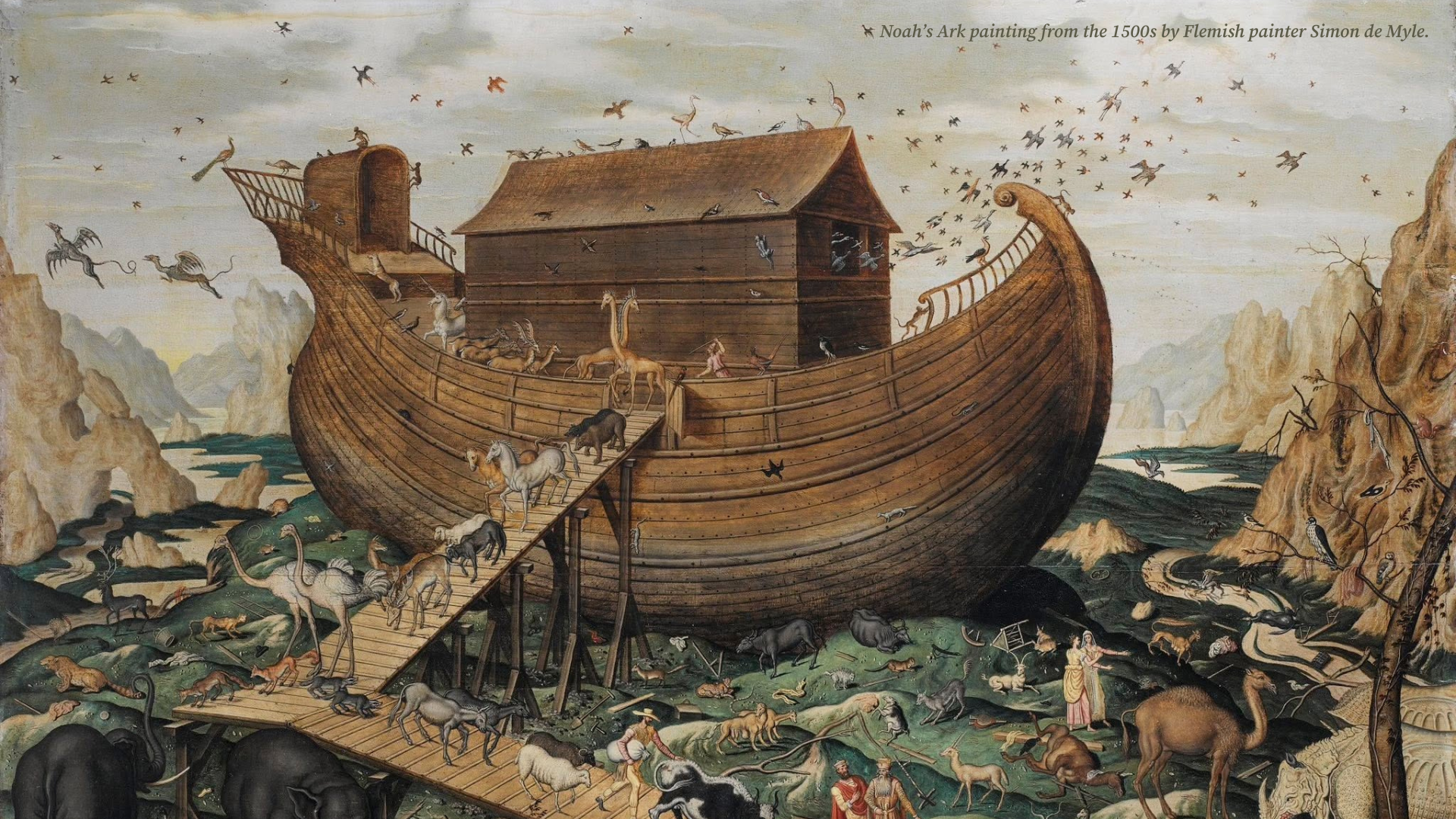
Ask anyone who grew up in church what Bible story they remember first, and a lot of them will say Noah's Ark. They can walk you through most of it: God tells Noah to build the ark, the animals come two by two, the rains fall for forty days and forty nights, and a dove finally returns with an olive leaf. We remember the ark landing somewhere, but then the story tends to trail off in our memory. So what actually happened to the ark, and where is it now? Some might also vaguely remember it coming to rest on a snow-capped mountain called Mount Ararat. That single peak is on Sunday school walls, in kids' Bibles, and in plenty of secular reference books. But the text itself points somewhere broader, and getting it right changes how you think about every search that's ever gone looking. Before any expedition, any drone footage, any debate about a boat-shaped formation in eastern Turkey, it's worth going back to the text. One of those searches is happening right now. A team led by Noah's Ark Scans is running the most in-depth study the site has seen, and it's funded by the public. To help fund "The Search for Noah's Ark," click here. GiveSendGo is a partner in this fundraiser. We also spoke with Andrew Jones, founder and lead researcher at Noah's Ark Scans, about their upcoming search. Watch it here. What Genesis Actually Says The verse everyone's thinking of is short. In the NIV, Genesis 8:4 reads simply that the ark came to rest "on the mountains of Ararat." Mountains. Plural. Not a single named peak, but a mountain range, or more precisely, a region. Genesis never says "Mount Ararat" the way we'd point to it on a map today. It names a place called Ararat and says the ark landed somewhere in its mountains. That distinction matters more than it may seem, because "Ararat" in the Bible isn't describing a mountain at all. It's describing a kingdom. Ararat the Kingdom, Not Ararat the Peak In the ancient world, "Ararat" wasn't a mountain at all.It was a kingdom. And it shows up in the Old Testament as a real, named place: 2 Kings 19:37 and Isaiah 37:38 both mention the "land of Ararat" as somewhere people flee to, and Jeremiah 51:27 lists it alongside other regional kingdoms being called to war. This was a real place in the ancient world, documented well beyond the Bible, not a mythic backdrop. It's the same point the researchers now working at the Durupinar site make about their own location. As Jones put it: "The name Ararat actually comes from this word Urartu, which was the name of an ancient kingdom that was over this whole area... their territory covered into Armenia, Iran, and of course a large part of eastern Turkey where we're at." In his words, that puts the site "in the right location. The mountains of Ararat, the mountains of Urartu, covers this area." The single, snow-capped peak we call Mount Ararat today, 16,854 feet and Turkey's tallest mountain, wasn't identified with the biblical Ararat until centuries later, largely through medieval Christian and Armenian tradition. It became "the" mountain because it's the tallest, most visible landmark in the region the Bible names, not because Genesis singles it out by name. There's nothing wrong with how that tradition developed. Genesis points to a region, and over the centuries people understandably fixed their attention on its most dramatic peak. The text just leaves far more room than the postcard image suggests. What the Locals Have Long Called It One detail that rarely makes it into the debate is what the people who live near the Durupinar site have called the area for generations. Jones points to a cluster of local names that line up, in striking ways, with the flood account. There's a nearby valley whose name translates roughly to "eight," which locals tie to the eight people the Bible says were aboard the ark. There's a ridge connected to the story of the raven Noah released. And the site itself is known to many in the region by a name long associated with the ark's landing place in local tradition. None of that is proof. Place names travel and shift, and traditions grow up around famous sites. But it's a reminder that this formation didn't become interesting in 1959 when an aerial photo made the news. For the people living in its shadow, it has carried the story for a very long time. (For the full story of the site and its discovery, see What Is the Durupinar Formation?) Could the Ark Even Be on the Modern Peak? There's a further wrinkle that goes beyond the text, worth noting because so many searches have focused on the famous summit. The researchers studying the Durupinar formation argue that Mount Ararat itself is the wrong place to look, on geological grounds. Their reasoning: Mount Ararat is a stratovolcano, the kind of cone-shaped peak built up over time by repeated eruptions. Jones points to the sedimentary layers beneath it, laid down by water, and the lava beds at its base as evidence of when it formed. "All the evidence shows that this mountain was formed after the flood," he says, "which means it wasn't even around for Noah's Ark to land on." That's his argument, not a settled scientific consensus, and geologists differ on the mountain's history. But it reframes the question in a useful way: if the biblical text points to a region rather than a peak, and the most famous peak may not have existed yet when the flood receded, then the search was never really about climbing Mount Ararat in the first place. Why This Matters for the Durupinar Site This is exactly why a formation roughly nineteen miles south of the traditional Mount Ararat peak, the Durupinar site, is still a fair candidate under Genesis's own wording, not a stretch from it. The text doesn't require the ark to be found on the specific mountain later tradition named. It requires the ark to be somewhere in the mountains of Ararat, a region that includes far more ground than one peak. The Durupinar formation sits within that broader region: a boat-shaped ridge close to the length Genesis gives for the ark. Genesis 6:15 records the ark's dimensions as 300 cubits long, which the researchers at the site put at roughly 515 feet, though the exact figure depends on which ancient cubit measure is used. Either way, it's part of what's kept researchers' attention on this particular formation for over sixty years. None of that makes it the ark. Geologists have offered natural explanations for boat-shaped ridges before, and formations like this deserve the same scrutiny any extraordinary claim does. What it does mean is that the site isn't geographically disqualified by the text the way a location outside the Ararat region entirely would be. (We weigh the strongest points on both sides in The Case For and Against the Durupinar Formation.) The Honest Middle Ground There's a temptation on this topic to pick a side fast, certain it's real, or certain it's nonsense. Genesis itself doesn't force that choice. It gives a region, a set of dimensions, and a flood account that has shaped faith and imagination for thousands of years. It doesn't hand anyone GPS coordinates. That's the posture worth taking into any conversation about a possible ark site: curious, not certain. Grounded in what the text actually claims, not what tradition has layered on top of it. An expedition that goes and looks, with radar, with core samples, with real scientists willing to publish what they find either way, is a more faithful response to that curiosity than either dismissing the question outright or declaring it settled before the data is in. Quick Answers Does the Bible name "Mount Ararat" as a single mountain? No. Genesis 8:4 says the ark rested on "the mountains of Ararat," a region, not one named peak. Is today's Mount Ararat the same place the Bible means? It's the mountain later tradition identified with that region, largely because it's the tallest and most visible peak there. Genesis itself doesn't name it specifically. Where is the Durupinar formation in relation to Mount Ararat? About nineteen miles south of the traditional peak, within the same historical Ararat region the Bible refers to. How big was Noah's Ark, according to Genesis? Genesis 6:15 gives its dimensions as 300 cubits long, 50 cubits wide, and 30 cubits high, roughly 515 by 85 by 50 feet, depending on the cubit measure used. Follow the Search A research team now has permission to core-drill the Durupinar site and pull real samples from inside the formation for the first time in decades. The drilling won't hand down a final verdict on its own, but it can move the question past sixty years of interpreting surface scans, toward physical material a laboratory can actually test. (For a closer look at that operation, see Core Drilling Begins at the Noah's Ark Site.) GiveSendGo is a partner in this fundraiser, not certifying what the team will find, just helping make sure the question finally gets a direct test instead of another sixty years of debate. Follow "The Search for Noah's Ark" and help fund the dig here. Keep Reading Noah's Ark in Turkey: Inside the 2026 Search at Durupinar What Is the Durupinar Formation? The Case For and Against the Durupinar Formation Core Drilling Begins at the Noah's Ark Site
 GiveSendGo News
The Case For and Against the Durupinar Formation
Posted by Alex Shipley. Interview by Elijah Snider. on Aug 22, 2026
Few objects on earth have launched more arguments per square foot than a boat-shaped ridge in eastern Turkey. For sixty years, the same piece of ground has convinced some people they're looking at Noah's Ark, and convinced others they're looking at a rock formation with a very convincing disguise. Both sides include serious people with real credentials, and the argument has never been resolved. A team called Noah's Ark Scans is now running a new round of surveys, scans, and for the first time, core drilling at the site, which has pulled the debate back into the open. Here's an honest look at both cases: what the researchers say they've found, and what credible critics say is wrong with it, laid side by side so you can decide for yourself. We also had the opprotunity to speak with Andrew Jones, who founded and leads the research at Noah's Ark Scans, about the search later this year. Watch it here. The search is being funded by everyday people who want answers. To help fund "The Search for Noah's Ark," click here. GiveSendGo is a partner in this fundraiser. The Case For The starting point is the shape and the size. The formation runs about 515 feet long, close to the 300 cubits Genesis gives for the ark, and it sits roughly 18 miles south of Mount Ararat, inside the region Genesis names as where the ark came to rest. Jones calls that length one of the strongest points: a formation the right size in the right place. From there, the team points to what their instruments have picked up below the surface. Ground-penetrating radar and electrical resistivity scans have, in their reading, turned up angular structures and regularly spaced features several meters down, including what they describe as a long central corridor running the length of the formation. Right angles, Jones argues, are uncommon in natural rock and point toward something built. "What else could it be?" he asks. "There's no water nearby" - his shorthand for the argument that the formation's shape and internal features are hard to explain by the ordinary forces, like water and mudflow, that skeptics point to. The team also leans on soil chemistry. Soil scientist William Crabtree, part of the group, reports that samples taken inside the formation show markedly more organic matter than the ground around it. His argument is that decaying wood would raise organic content and alter the surrounding soil, and that this is roughly what the inside-versus-outside samples show. Jones is aware of how this looks from the outside - a group of believers finding what they hoped to find - and points out that some of the key data wasn't collected by his own team. The 2019 radar survey was run by a professional crew brought in from America for a television documentary. "It's not like we're forcing the results," he said. He tells one story from that shoot often: a crew member who identified as an atheist was struck enough by the scans that he called his grandmother, a believer, to say he might be standing on the remains of Noah's Ark. Jones offers it not as proof, but as a sign the readings surprised even the skeptics in the room. It's worth being clear about how the researchers themselves frame all this. They call it evidence worth investigating, not a settled finding. Jones has said plainly that the honest question is still open: is this something made, or an extraordinary natural formation? Their answer is that you find out by looking closer, which is what the current expedition is for. The Case Against The critics are not only secular scientists. Some of the most detailed pushback comes from fellow Christians, which is part of what makes this debate so tense at times, and unusual. Geologist Dr. Andrew Snelling, writing for Answers in Genesis, raises both a geological and a biblical objection. On the geology, he notes that the rock within the structure is limestone, and that the corridor-and-cabin features the scans pick up could just as easily reflect natural jointing, layering, or a cave dissolved out of the limestone by groundwater. Any subsurface scan, he argues, requires interpretation, and interpretation tends to follow what the interpreter already expects to find. His biblical objection is about location. Genesis 8:4 says the ark rested on the mountains of Ararat, and that the surrounding peaks weren't visible for another 74 days, implying a high resting place. The Durupinar formation sits in a valley on the southern slopes of a volcano. On both counts, Snelling argues, the site doesn't fit the text. Answers in Genesis founder Ken Ham has echoed this, cautioning that geophysical scans shown in viral videos aren't peer-reviewed, and that Christians should be slow to stake claims on evidence skeptics can easily pick apart. He has urged fellow believers to "exercise caution, look at the actual evidence, and avoid arguments based on conjecture." His organization's position is that they'd love the ark to be found, but that a weak argument for the Bible does more harm than a missing one. Others outside AiG have been sharper. Apologist Wesley Huff, called the recent findings "not legit" and rooted in "sensationalism and non-credible archeology," noting that the core team members aren't formally trained archaeologists and that ground-penetrating radar is easy to over-read. New Testament scholar Jeremiah Johnston went further, saying scholarly agreement that the site is not the ark is close to unanimous, and that radar is "famously inaccurate" in mountainous terrain. Both point out that boat-shaped formations occur elsewhere in the region, so a boat-like outline alone proves little. The mainstream geological view predates this round entirely. As far back as 1996, geologist Lorence Collins co-published a paper concluding the formation is a natural feature, most likely a "syncline" - a fold in the rock - shaped by ordinary erosion. That has remained the majority position among geologists ever since. Why It Isn't Settled Here's the honest truth: almost everything on both sides is an interpretation of indirect data. Radar returns, soil samples, and surface shape all have to be read, and so far none of it has been enough to settle the question either way. The researchers see corridors and the critics see limestone. In an August 2026 press release, Noah's Ark Scans said it had deployed a specialized deep-ground radar across the formation and could not identify a clear bedrock boundary beneath it, which the team argues is hard to reconcile with the idea that the site is simply solid natural rock. However, even their own statement is careful to add that this isn't proof: the absence of a boundary in the data processed so far doesn't confirm bedrock is absent, and radar anomalies alone don't establish an archaeological origin. But both sides agree on one thing: the only way to know for sure is to look directly at what's underneath. For Jones, that's exactly what the core drilling is for. "If it can core down under there and show layers that are not just natural geology," he said, "then that would be proof." He's equally frank about the limits of the debate as it stands. Archaeologists, he acknowledges, "always debate about everything," and the field works in "different degrees of certainty" rather than proof. His stated goal isn't to win the argument on scans, but to gather physical evidence and, in his words, "let everyone else decide." And notably, the critics agree. Answers in Genesis has written the only way to settle the debate is eventually to examine the structure directly - work that has to be done carefully, non-destructively, and in full partnership with Turkish authorities, since the site is protected and sits in a politically sensitive border region. That's the same bar the current expedition says it's working under: radar and scanning first, then core samples, with permits and oversight in place. The team has also committed to publishing its results either way, which is the standard any honest search should be held to. Where GiveSendGo Comes In We're not here to tell you which side is right. Frankly, nobody reading an article can settle a sixty-year geological argument, and we're not going to pretend otherwise. What's actually new isn't a conclusion. It's that, for the first time in decades, a team has the permits and the modern tools to go in and gather real data instead of trading interpretations of old scans. Noah's Ark Scans is running that effort, and their fundraiser to pay for the core drilling and surveys is live on GiveSendGo. You don't have to be convinced it's the ark to think a question people have argued about for this long is worth finally investigating. GiveSendGo is a partner in this fundraiser. Want to follow the expedition or help fund the work? Support "The Search for Noah's Ark" here. Images courtesy of Noah's Ark Scans' website, fundraiser, and Facebook page.
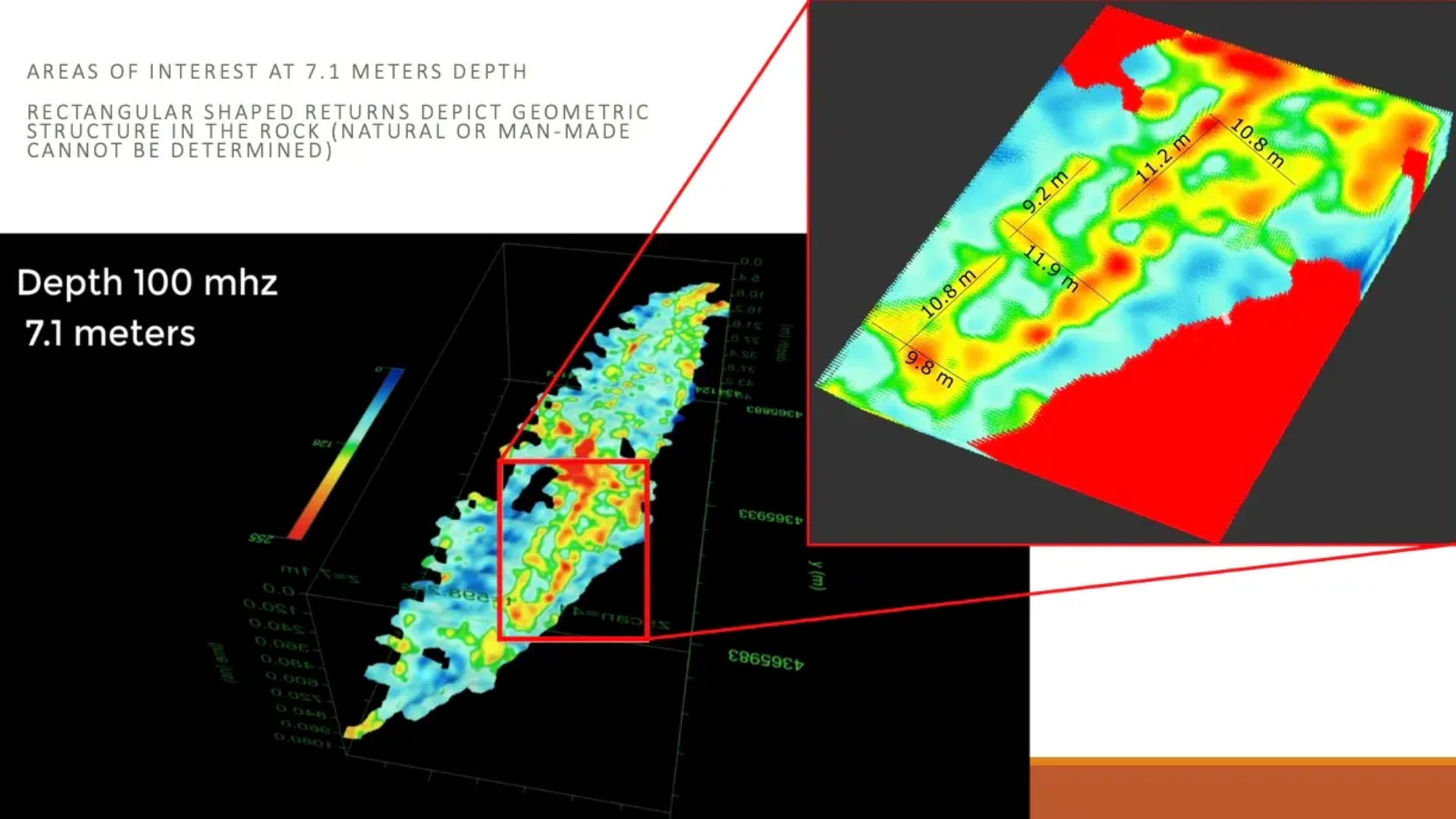 GiveSendGo News
Photos from the Noah’s Ark Site: Durupinar Up Close
Posted by Alex Shipley. Interview by Elijah Snider. on Aug 22, 2026
Some people look at these photos and see the hull of a ship. Others see a trick of mud and rock. For sixty years, the same boat-shaped ridge in eastern Turkey has split everyone who's laid eyes on it into those two camps, and now, up close, you can decide what you see. Do you think this location is worth investigating as the final resting place of Noah's Ark? It's called the Durupinar formation, and it sits about 18 miles south of Mount Ararat, near the Iranian border, roughly where Genesis says the ark came to rest. What makes it worth a closer look isn't a single dramatic photo. It's the way the same piece of ground has been documented across six decades, from a famous aerial shot in the 1960s to ground-penetrating radar that reads what's beneath the surface today. This year, a team led by Noah's Ark Scans is running the most in-depth search the site has seen, scanning and core-drilling to finally test what's beneath the surface. To help fund "The Search for Noah's Ark," click here. GiveSendGo is a partner in this fundraiser. Here's the site up close, with some context on what you're actually looking at, and why each image matters to the people studying it. For the fuller story of the 2026 search happening this year, see [Inside the 2026 Search at Durupinar]. For what the Bible actually says about where the ark landed, see [Mount Ararat and Noah's Ark]. Watch GiveSendGo's full interview with Andrew Jones, founder and lead researcher at Noah's Ark Scans, here. The Photo That Started the Conversation (1961) The 1961 aerial photograph by Ara Guler that brought the Durupinar formation to worldwide attention. This 1961 aerial photograph, taken by the renowned Turkish photographer Ara Güler, is the image that brought the Durupinar formation to worldwide attention. The boat-shaped outline is unmistakable from the air, which is exactly what has kept the question alive for so long. It's worth noting the formation was first flagged two years earlier, in 1959, by a Turkish army captain reviewing aerial mapping photographs. Güler's photo is what made the rest of the world look. The Formation From Above Today A 2019 drone view showing the full scope of the formation. Modern drone photography shows the full scope of the formation in a way the 1961 image couldn't. For the 2026 survey, the team flew a drone that captured roughly 4,000 photographs with sub-centimeter GPS accuracy, enough to build a detailed 3D model of the entire site. Researchers measure it at roughly 157 meters (about 515 feet) long, a figure they note lines up closely with the dimensions Genesis gives for the ark. Skeptics point out that mudflow and erosion can produce elongated, boat-like ridges on their own. Both things can be true at once, which is why the surface photos alone have never settled the debate. The limestone escarpment ridge directly above the formation, shown in its surrounding landscape. This is the limestone escarpment ridge directly above the formation. Some who study the site believe the first settlement after the flood may have been located just below this ridge, though that's an interpretation, not an established finding. It's included here because it shows the formation in its actual landscape, not floating in isolation the way a cropped photo can suggest. What the Scans Suggest Is Underneath This is where the 2026 search by the team at Noah's Ark Scans is focused. Nothing below has been physically confirmed yet, but these scans point to what might be underneath, and the team's 2026 core drilling is meant to test whether it holds up. Core drilling pulls up narrow, continuous columns of soil and rock from deep inside the formation - the first time material from that depth would be examined directly, in a lab, instead of read from a scan at the surface. A drone photograph overlaid with ground-penetrating radar results. Here a drone photograph is overlaid with results from ground-penetrating radar. Some of the most-discussed readings came from a 2019 scan, run by a professional survey crew brought in for a television documentary. Jones describes the moment the data came in: the technician began seeing "parallel lines going across the screen and perpendicular lines forming right angles" roughly nine feet down - in the technician's words, "we're actually seeing structure below the ground." Right angles rarely occur through natural geological processes, which the team interprets as a sign of possible intentional structure. Critics counter that subsurface radar is notoriously open to interpretation, and that "anomalies" are not the same as walls. A 100 MHz ground-penetrating radar scan. Red areas mark what researchers describe as possible tunnel-like features. This is a ground-penetrating radar scan at 100 MHz. The red areas are what the researchers describe as possible tunnel-like features running along the center of the formation and inside one edge of the "hull." The 2026 season is deploying a newer, more powerful radar the team says can read nearly 100 meters down, far deeper than earlier surveys reached. In an August 2026 press release, the team reported that this deeper radar had scanned the formation without finding the solid bedrock floor a natural rock feature would normally show, though they're careful to note that's a lead worth testing, not a conclusion. Whether these features are corridors, voids, or ordinary variations in rock and sediment is precisely the question the core drilling is meant to answer, by pulling physical material a lab can actually test. Angular subsurface features detected about 7 meters down, among the readings the team finds most compelling. The team points to angular subsurface features like these, detected about 7 meters down, as among their most compelling readings. It's also fair to say no wood, worked timber, or man-made object has yet been recovered and independently verified from the site. The scans raise the question and fuel continued investigation today. The Site in Its Setting A view from the International Space Station showing the broader Mount Ararat region. Credit: NASA. This photograph from the International Space Station shows the broader Mount Ararat region where the formation sits. It's a useful reminder that "the mountains of Ararat" in Genesis 8:4 describes a whole region, not one single peak, which is part of why a formation 18 miles from the summit of Mount Ararat is still within the biblically plausible area. We unpack that fully in [Mount Ararat and Noah's Ark]. Why These Images Are Significant For sixty years, the Durupinar formation has been something people could only photograph from the outside and argue about. What's different now is that the same site is being read from the inside, with radar, resistivity, and, in 2026, physical core samples. The images on this page are the visual record of a question moving from "what does it look like?" toward "what's actually down there?" The honest answer today is that we don't know yet. But that's the whole reason the current search is worth following. It might confirm what people have hoped for generations. It might not. Both outcomes are worth documenting honestly. GiveSendGo is a partner in "The Search for Noah's Ark" fundraiser by Noah's Ark Scans, helping support this research - not to declare what the team will find, but to help make sure the question finally gets a rigorous, testable answer. Follow the search and help fund the dig here. Images courtesy of Noah's Ark Scans' website, fundraiser, and Facebook page.
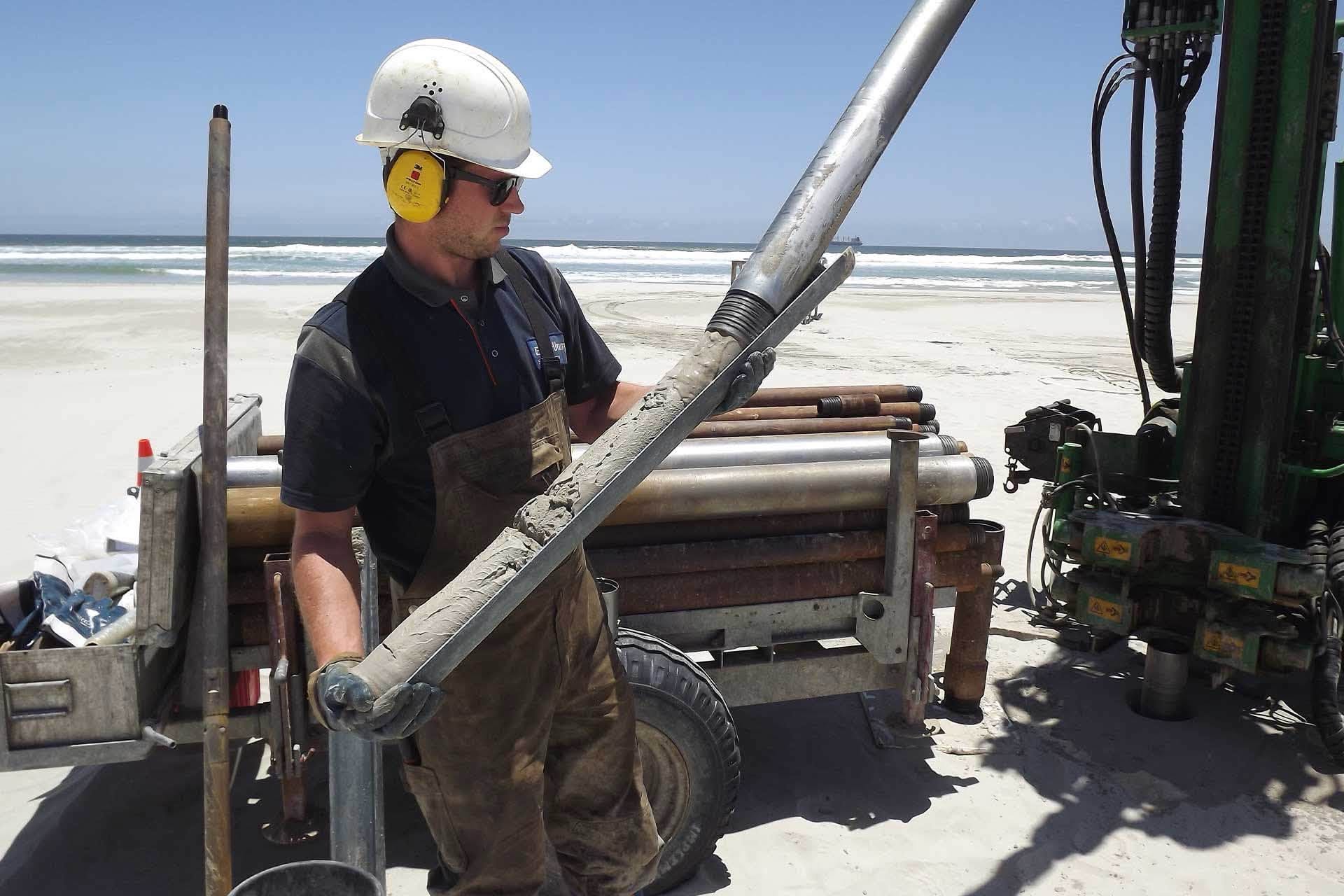 GiveSendGo News
Core Drilling Begins at the Noah’s Ark Site
Posted by Alex Shipley. Interview by Elijah Snider. on Aug 22, 2026
This is the year the search for Noah's Ark stops looking and starts digging, or, more precisely, drilling. A research team in eastern Turkey is preparing to bore deep into the formation many believe holds the ark's remains, and bring up the first samples anyone has ever pulled from inside it. The team at Noah's Ark Scans, working with Turkish academics and under official government permits, has made a sonic core-drilling program the centerpiece of its 2026 research season at the Durupinar formation, the site many believe holds the remains of Noah's Ark. It's the first effort of its kind at this level of technology in decades. That work is funded by everyday people. To help fund "The Search for Noah's Ark," click here. GiveSendGo is a partner in this fundraiser. You can also watch GiveSendGo's full interivew with Andrew Jones, founder and lead researcher at Noah's Ark Scans, here. Why Drilling Is the Turning Point Everything at Durupinar up to now has been read from a distance. Aerial photographs going back to 1959, surface surveys, soil samples from around the formation, and ground-penetrating radar have all produced images and data that still have to be interpreted. That's exactly why the site has stayed contested for so long: two people can look at the same radar return and see two different things, one a built structure, the other ordinary rock. Core drilling is different. It pulls up a continuous, physical column of what's actually underneath, layer by layer, so it can be examined directly instead of inferred from a scan. It's the gap the researchers keep pointing to. "No one has gotten deep into the site," Jones said. Plenty of people have measured the surface, walked it, and scanned it, but no one has pulled material from far below it. The drilling is meant to move the question from "does it look like a boat?" to testing what the material itself actually is. What the Earlier Findings Showed The drilling builds on data the team has already released, which is what pulled this story back into national news over the past year. On the geophysics side, ground-penetrating radar and resistivity scans have, in the team's reading, picked up angular features and a long central corridor several meters below the surface, patterns Jones argues are hard to explain as natural rock. In an August 2026 press release, the team added that a specialized deep-ground radar had scanned the formation without finding the solid bedrock a purely natural feature would be expected to have, though they note that isn't proof on its own. On the soil side, the team reported that samples taken inside the formation showed roughly three times the organic matter of the soil just outside it, which Jones argues points to a closed environment where organic material, possibly wood, decayed over time and altered the surrounding chemistry. Critics read the same soil differently, noting that a bowl-shaped feature collecting rainwater could also produce richer soil without any buried structure. The core samples are meant to help settle which reading holds up. What the 2026 Operation Involves The plan is deliberately non-destructive, a condition of the Turkish permits and a priority the team has stressed repeatedly. Rather than excavating the formation, the operation layers several techniques. Drones map the site in fine detail with LiDAR and thermal imaging. Next-generation ground-penetrating radar and electrical resistivity tomography scan the full length of the roughly 515-foot formation. Then the sonic core drill recovers continuous columns of soil and rock from deep below the surface, without the invasive digging Turkish authorities have wanted to avoid. The drilling itself is more precise than the word suggests. The drill bit is only about six inches wide, aimed at exact points across a 515-foot target, which is why the team spends so long mapping and scanning before a single core comes up. And they don't plan to stop at whatever might remain of a vessel. Jones said the goal is to drill past it, deep into the mountainside beneath, "to get below whatever's there and see the layers underneath." Reaching 50 meters or more, in some places toward 75, would let the team read the site the way a geologist reads rock: layer by layer, in order. If the scans reveal a void or chamber, the team is ready to look inside it directly. They've built a miniaturized camera probe they nicknamed the "Gopher," small enough to lower down a borehole and steer, as Jones describes it, "with a PlayStation controller." The sequence is the point: map first, scan next, then sample, then look. What Happens Next Core samples don't produce instant answers. Once they're recovered, they go to laboratories in both Turkey and the United States, where dating and material analysis take time and have to be done carefully to hold up to outside scrutiny. Jones is candid that the day the drill goes in carries a lot of weight for him. "My prayer on the day that we drill is that we just have smooth drilling," he said. "I want to get whatever data is below the ground. I don't want it to be a waste of money and time." Whatever the cores show, the team says it will make the results public. "We're gonna publish and share no matter what the data shows," Jones said, noting that when independent scientists asked for the team's earlier scan data, "we've given it to them. We're not holding back and hiding secrets." For a question this contested, a commitment to publish either way is what separates a search for evidence from a search for a headline. How the Search Is Funded This expedition isn't backed by a university endowment or a government grant. It's being funded the way a lot of ambitious searches are now, by everyday people who want to see the question answered. The fundraiser covering the core drilling, the surveys, and the analysis that follows is live on GiveSendGo, where anyone curious about what's under that ridge can help pay for the work of going in to look. You don't have to be certain what the drill will find to think it's worth finding out. That's the appeal of crowdfunding a search like this one: it turns a sixty-year question into something a community can act on together. Want to follow the expedition or help fund the work? Support "The Search for Noah's Ark" here. GiveSendGo is a partner in this fundraiser. Images courtesy of Noah's Ark Scans' website, fundraiser, and Facebook page.
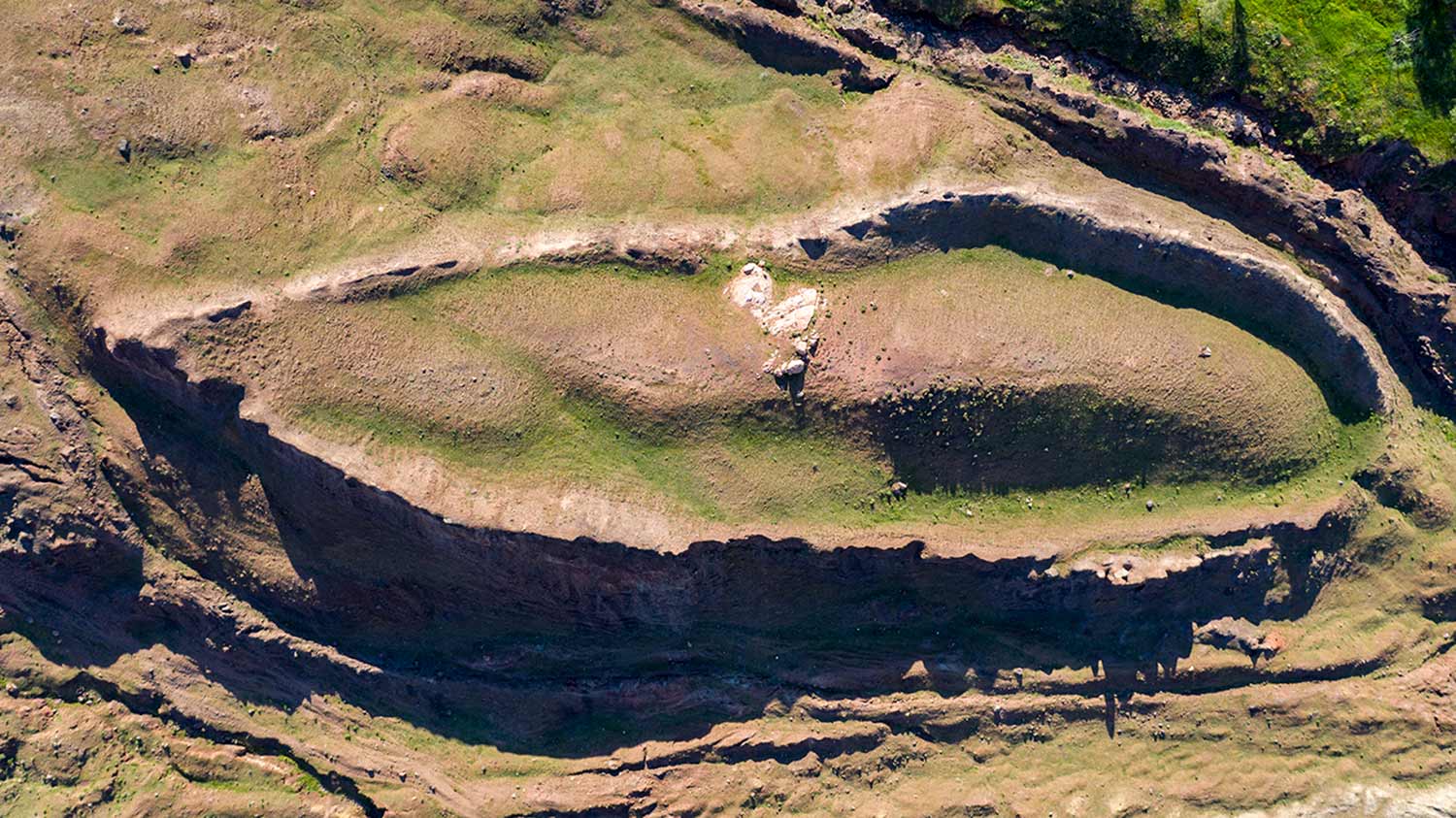 GiveSendGo News
What is the Durupinar Formation?
Posted by Alex Shipley. Interview by Elijah Snider. on Aug 22, 2026
High in the mountains of eastern Turkey, about 18 miles south of Mount Ararat, there's a ridge shaped almost exactly like a boat. It's roughly 515 feet long, pointed at one end, rounded at the other, and it has drawn arguments, expeditions, and pilgrims for more than sixty years. It's called the Durupinar formation, and depending on who you ask, it's either an accident of geology or the resting place of the famous Noah's Ark. This article covers what the formation actually is, how it was found, why people connect it to Genesis, and why a team is heading back this year to take a closer look. That team, led by Noah's Ark Scans, is running the most in-depth search the site has seen, scanning and core-drilling to finally test what's beneath the surface. GiveSendGo had the opprotunity to speak with Andrew Jones, founder and lead researcher at Noah's Ark Scans, to ask him about the search. Watch it here.To help fund "The Search for Noah's Ark," click here. GiveSendGo is a partner in this fundraiser. Where It Is and What It Looks Like The Durupinar formation sits near the village of Uzengili, in the Agri Province of eastern Turkey, in the mountains not far from the Iranian border. From the air, it reads unmistakably as a unique shape: a long, teardrop outline pressed into the surrounding terrain, with raised sides and a pointed prow. On the ground, it's a low mound of earth and rock. Its dimensions are the reason people keep coming back to it. The formation runs roughly 515 feet long, close to the 300 cubits Genesis gives for the ark. That length is the single detail that turns a strange-looking ridge into a question worth asking. Could this be the location of Noah's Ark's final resting place? How It Was Discovered The formation gets its name from Captain Ilhan Durupinar, a Turkish army cartographer. In 1959, while reviewing aerial survey photographs of the region, he noticed a boat-shaped outline that didn't look like the land around it. The photos were published, and by the early 1960s the site had caught the attention of researchers and believers around the world. The Turkish photographer Ara Güler captured an iconic aerial image of it in 1961 that spread the story further. The formation had likely been sitting there, unnoticed from the ground, for a very long time. It took an aerial view to make the shape obvious. Some researchers believe it emerged into view after earthquakes and heavy rains disturbed the surrounding mud in the mid-20th century, which is part of why one way to describe it is buried, not hidden. Why People Connect It to Noah's Ark Genesis 8:4 says the ark came to rest "on the mountains of Ararat" after the flood. For the full biblical background, see [Mount Ararat and Noah's Ark]. The Durupinar formation sits in that region, and it's boat-shaped, and it runs close to the length Scripture gives. For people who find those three facts hard to dismiss as coincidence, it's a compelling candidate. "You're not gonna find a site like this anywhere in the world where you're looking at the actual object associated with this event in the book of Genesis," Jones said. Over the decades, researchers have pointed to other details as well. In 2024, Noah's Ark Scans, the group now leading the 2026 search, took 88 soil samples from inside and outside the boat-shaped area, and reported that the samples from inside contained roughly three times more organic material than the ground just outside it, which they interpret as consistent with a large wooden structure decaying in place over time. Earlier ground-penetrating radar scans have also suggested angular structures and regularly spaced features several meters below the surface, patterns the researchers argue look more built than natural. None of this is proof, and the people doing the work are careful to say so. But it's enough to keep the question open, and the investigations fueled. What Skeptics Say Plenty of geologists look at the Durupinar formation and see a natural feature, not a boat. The leading explanation is that it's the product of a mudflow and the erosion of softer rock around a more resistant core, a process that can leave behind streamlined, boat-like shapes without any human hand involved. A peer-reviewed paper in 1996, co-authored by researcher David Fasold and geologist Lorence Collins, argued the formation is a natural "syncline," a fold in sedimentary rock. Notably, Fasold had earlier been associated with the idea that the site might be the ark, then co-authored the paper concluding it wasn't. Some Christians also argue it's the wrong site. Answers in Genesis, whose researchers fully believe the flood happened, has long maintained that Durupinar is a natural rock formation rather than the ark. Founder Ken Ham wrote in 2025 that "when Christians use poor, easily disproven, or inconclusive evidence for the truth of God's Word, it makes it easier for skeptics to dismiss everything that person has to say." His point isn't that the ark is a myth - it's that a shaky claim for the Bible can do more harm than a missing one, which is why he urges Christians to "exercise caution, look at the actual evidence, and avoid arguments based on conjecture." That disagreement is exactly why the formation stays interesting. Decades of aerial photos, soil samples, and surface surveys haven't settled it, because the one thing that could settle it, pulling physical samples from deep inside the formation, hasn't been done. The site sits on protected land near a sensitive border region, so any investigation has to be carefully permitted and non-destructive, and until now no team had secured the permissions and tools to test what's actually underneath. The debate has been running in place, waiting on better data. For a fuller look at both sides of the argument, see [the case for and against the Durupinar formation]. The 2026 Research Effort That's where the current expedition comes in. A research group called Noah's Ark Scans, working alongside Turkish academics and with official permits from Turkish government agencies, is bringing modern tools to the site, for the first time in decades at this level of technology. The plan is deliberately non-destructive, and the researchers have laid it out in stages. First came a base survey: a professional crew set precise ground control points and flew a drone that captured around 4,000 photographs, enough to build a high-resolution 3D model of the entire site. Next comes deep radar, a type the team says has never been used in Turkey before, capable of reading nearly 100 meters down. "It's a way to look below the surface like a CAT scan," Jones explained, "and not have to disturb the soil and destroy the site, which is very fragile." From there, the plan moves to roughly 200 soil samples taken inside and outside the formation for chemical comparison, and finally to the step that's never been successfully done here: core drilling. The team plans to drill deep into the formation, past whatever might remain of a vessel and down into the mountainside beneath it, pulling continuous cores of soil and rock for laboratory analysis. The drill bit itself is only about six inches wide against a 515-foot-long target, so the locations are chosen carefully in advance. And if the scans reveal a cavity, the team has a miniaturized camera probe, steerable "with a PlayStation controller," ready to send down and look directly. The idea is simple: map first, then sample, then look. Whether the results point toward something built or confirm a natural formation, the data itself is the goal. As Jones frames it, the honest question is still open - is this something made, or an extraordinary work of nature? More data is how you answer that. How the Search Is Being Funded Core drilling, radar surveys, and the analysis that follows all cost money. The team estimates this season's work at over a million dollars, and the expedition is being funded the way a lot of ambitious things are now: by everyday people who want to see the question answered. A fundraiser for the work launched on GiveSendGo, where anyone curious about what's under that ridge can help fund the going-in-to-look. You don't have to be certain it's the ark to think the question is worth answering. That's the appeal of crowdfunding a search like this one. It turns a sixty-year argument into something a community can actually act on, together. Want to follow the expedition or help fund it? Support "The Search for Noah's Ark" here. GiveSendGo is a partner in this fundraiser.
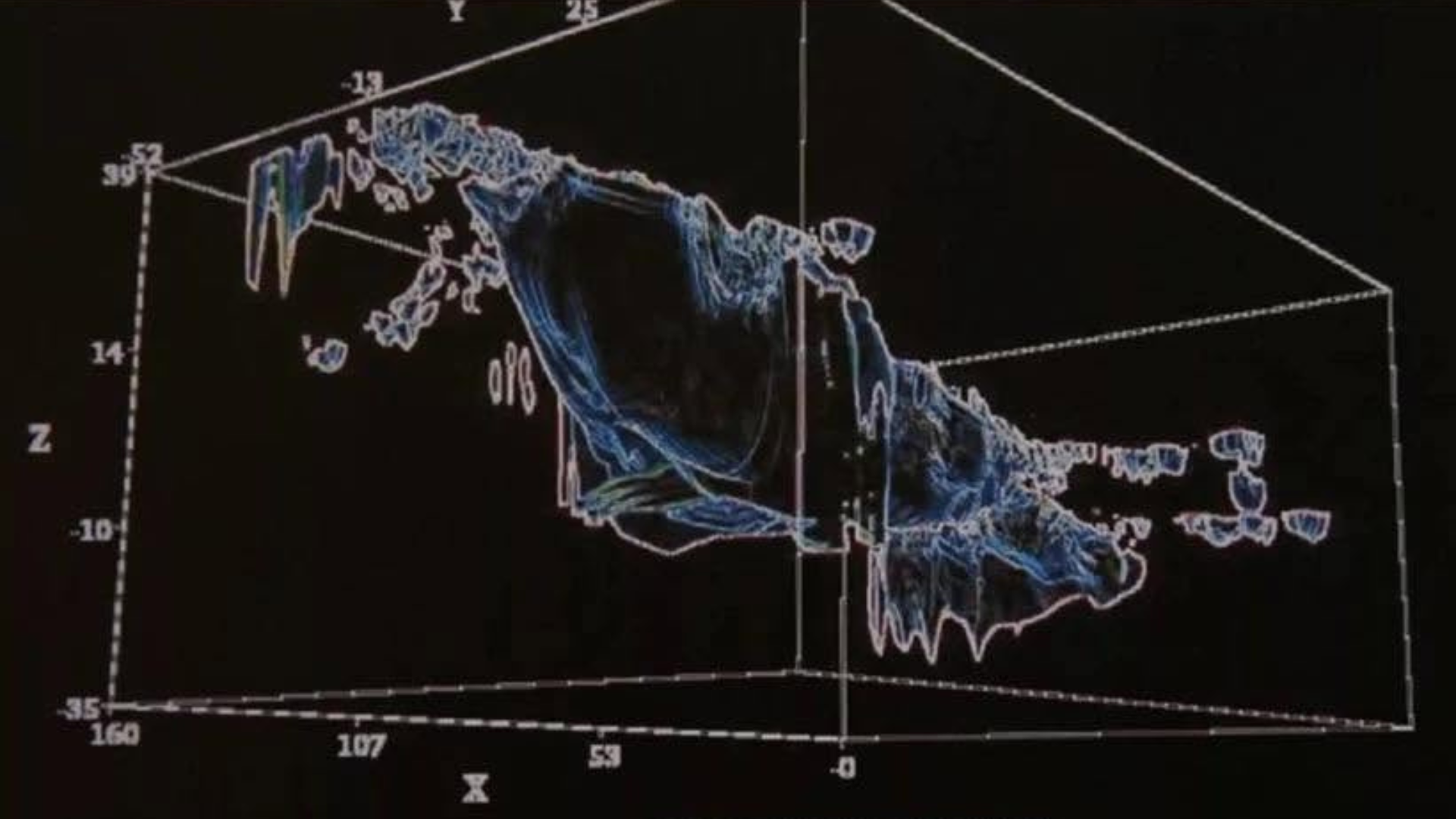 GiveSendGo News
Has Noah’s Ark Been Found? What We Know in 2026.
Posted by Alex Shipley. Interview by Elijah Snider. on Aug 22, 2026
Finding a legendary artifact looks easy in the movies. Indiana Jones needed little more than a map, a fedora, and a well-timed whip. Real life is slower: the search for Noah's Ark has run sixty years without a definitive answer, and 2026 might be the closest anyone's come. So let's start with the honest answer: no. As of 2026, no one has confirmed the discovery of Noah's Ark, and no find has been verified by the broader scientific or archaeological community. But this "no" actually hides a much more interesting story. There's a formation in eastern Turkey that has kept this question alive for over sixty years, and this year, a team from Noah's Ark Scans has finally secured the permits and the technology to test what's beneath it directly, rather than just debate scans from the surface. Here's what's genuinely known, what's claimed, who disputes it, and what's happening next. Watch our full interview here with Andrew Jones, founder and lead researcher at Noah's Ark Scans, where we ask him more about the search. And it's being funded by everyday people who want the question answered. To help fund "The Search for Noah's Ark," click here. GiveSendGo is a partner in this fundraiser. Where the Search Is Focused: the Durupinar Formation Nearly every serious modern claim points to one place: the Durupinar formation, a boat-shaped ridge about 18 miles south of Mount Ararat, near Turkey's border with Iran. It was first noted in 1959 by Turkish army captain Ilhan Durupinar during an aerial survey, and it's been a magnet for Ark-hunters ever since. Its shape and its size are what keep drawing people back. From the air, it reads unmistakably like a ship's hull. And researchers measure it at roughly 515 feet long, close to the dimensions Genesis gives for the ark, 300 cubits (Genesis 6:15). It also sits within the region Genesis names as the ark's resting place, "the mountains of Ararat" (Genesis 8:4), which describes a whole mountainous region, not one single peak. We unpack the full biblical background in [Mount Ararat and Noah's Ark]. What the Researchers Say They've Found The current investigation is driven by Jones, with 2026 fieldwork directed by Professor Cenker Atila, an archaeologist at Sivas Cumhuriyet University, after their Turkish partner secured government permits. We sat down with Jones over a video call to talk more about the search. Jones is candid that he's a software developer and independent researcher, not an archaeologist himself, which is part of why the 2026 work is built around credentialed academic partners and laboratory testing. Jones and his team report several findings they consider significant. Using ground-penetrating radar, electrical resistivity, and other scans, they say they've detected angular structures and corridor-like features several meters below the surface, shapes they argue rarely occur through natural processes. Jones has said the readings are not what you'd expect from a solid block of rock or random mudflow debris, but are consistent with what a constructed vessel might leave behind. The team also reports that soil samples taken from inside the boat-shaped area showed higher organic content than the surrounding ground. What the team has so far are readings and samples that point somewhere promising, and they're the first to say those readings need to be confirmed with physical material. No wood, worked timber, or clearly man-made object has been recovered and verified yet. That's exactly what the 2026 core drilling is meant to change: pulling real material from deep inside the formation that outside laboratories can test directly. "I would love to find layers of either petrified wood or something that's been left there," Jones said. Who Disputes It, and Why Secular scientists disagreeing with a Noah's Ark claim is no surprise. What's more striking is that some of the strongest pushback comes from fellow Christians, people who would love to see the ark found, but still don't believe this site is it. The most notable is Dr. Andrew Snelling, a geologist with Answers in Genesis. Snelling is a young-earth creationist who fully believes the flood happened and would love to see the ark recovered, but has argued for decades that Durupinar is just a natural rock formation, not the ark. His view is that the site's features are geological, and that we shouldn't expect a wooden vessel to have survived and remained findable after thousands of years. He's not alone among believers. Evangelical researchers Bill Crouse and Gordon Franz have co-authored detailed critiques also concluding the Durupinar claims don't hold up. Secular scientists have been more pointed still. The most-cited rebuttal is a 1996 peer-reviewed paper by geologist Lorence Collins of California State University Northridge, which concluded the formation is a natural syncline of sedimentary rock, with the "man-made" features explained as ordinary mineral concentrations. Notably, Collins's co-author was David Fasold, the American researcher who in the 1980s first helped popularize Durupinar as a possible ark, and who by 1996 had published against it. The mainstream scientific and archaeological consensus today is that the Durupinar formation is a natural landform. We lay out the strongest points on both sides in [The Case For and Against the Durupinar Formation]. How the Researchers Answer the Skeptics Jones doesn't dispute that the debate exists. "You're gonna find archaeologists, they always debate about everything," he says, acknowledging that archaeology deals in "different degrees of certainty" rather than absolute proof. He says he never expected universal agreement, and that the team's job is to gather data and "let everyone else decide." On the syncline paper specifically, his response is to point to a different geologist. Jones says he's spent years at the site with Dr. Salih Bayraktutan, a Turkish geologist who has studied the formation since the mid-1980s, and who argues it isn't a folded rock formation at all - that apart from a few boulders, the structure is largely earthen, without the exposed sedimentary rock layers a true syncline would show. Jones's argument is essentially one of proximity: the 1996 paper's co-author, he notes, never visited the site, while Bayraktutan has walked it for decades. Skeptics counter that firsthand familiarity doesn't override peer-reviewed analysis, leaving the debate deadlocked. The team's most recent survey speaks to that same argument. In an August 2026 press release, Noah's Ark Scans said it had deployed a specialized deep-ground radar across the formation and could not identify a clear bedrock boundary beneath it - a result the team argues is hard to reconcile with the idea that the site is simply solid natural rock. As even their own statement is careful to note, that isn't proof on its own: the absence of a boundary in the data processed so far doesn't confirm bedrock is absent, and radar anomalies alone don't establish an archaeological origin. But it's precisely these conflicting interpretations the upcoming core drilling is designed to test directly. So Why Is This Still Worth Following? Because for all sixty years of argument, no one has ever done the one thing that could actually move it forward: drill into the formation with modern tools and pull real samples from deep inside for independent laboratory analysis. Every round of the debate so far has been fought over surface features, metal-detector readings, and radar interpretation - data open to being read both ways. It's worth being honest about what drilling can and can't do. It may not deliver a single, tidy verdict that ends the argument forever. But it can replace interpretation of surface scans with physical material a lab can actually date and identify, which is a real step no one has taken. The 2026 investigation, a multi-phase survey capped by minimally invasive core drilling, is designed to take it. And the team has committed to sharing what it finds regardless of the outcome. "We're gonna publish and share no matter what the data shows," as Jones puts it, which is the standard any honest search should be held to. You don't have to pick a side today to find that worth watching. It might confirm what believers have hoped for generations. It might confirm the skeptics. Both are real possibilities, and both are worth knowing honestly. For Jones, the stakes reach past this one site. "If this story's true," he says, "then what else in the Bible is true?" What's Next in 2026 The team has government permits in hand and plans to carry out the core drilling and remaining survey phases this year, with samples going to university laboratories for independent testing. For a full breakdown of the expedition, the methods, and the people leading it, see [Inside the 2026 Search at Durupinar]. For the images that have fueled sixty years of debate, see [Photos from the Noah's Ark Site]. The 2026 search is run by Noah's Ark Scans and funded by the public through a fundraiser hosted on GiveSendGo. GiveSendGo is a partner in this fundraiser, not to declare what the team will find, but to help make sure a decades-old question finally gets a rigorous, testable answer. Follow "The Search for Noah's Ark" and help fund the dig here.
