

Animals / Pets Fundraisers
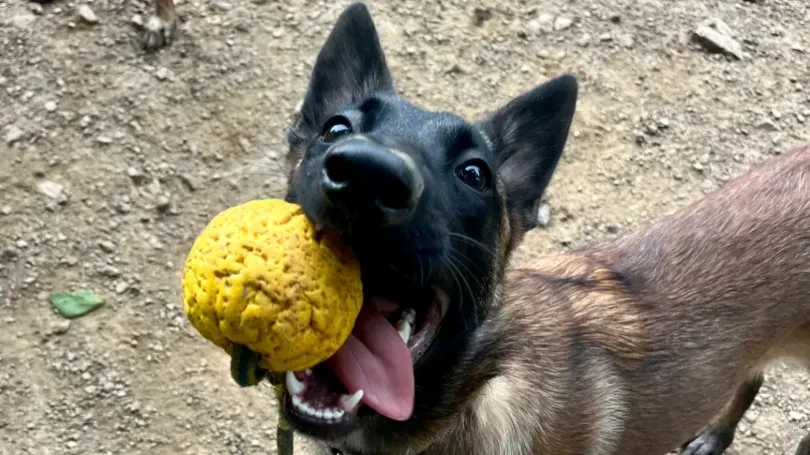
Saving Raven - She can't run without you!
SavingRaven: Help Give This Puppy a Pain-Free LifeMeet Raven, a beautiful Belgian Malinois puppy with an incredible personality and an even bigge...
Loading...
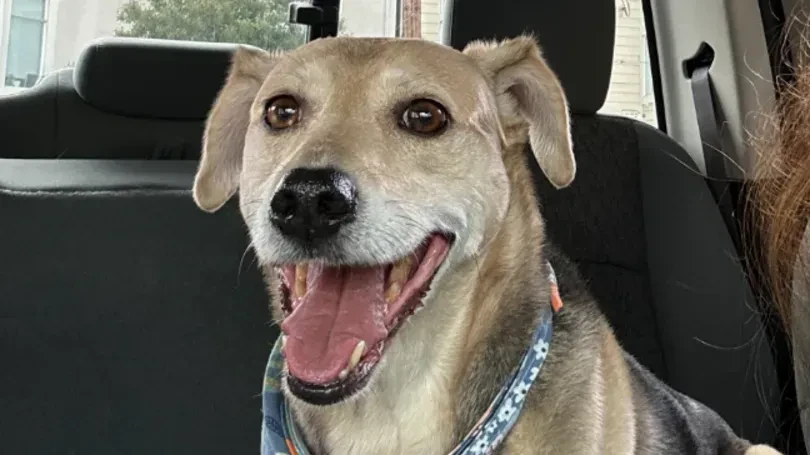
Keeping this open for Shawnee’s palliative care
Update-I dreaded that phone call from the vet on her results and it was what I feared. Shawnee has mast cell cancer in the tumor and a lymph node. It...
Loading...
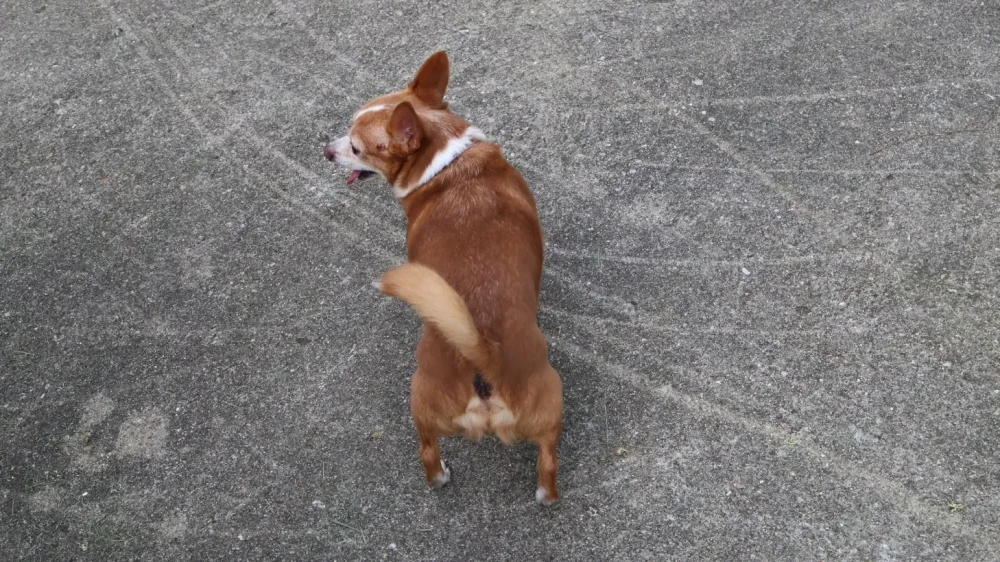
Help Benji Get Knee Surgery
I'm raising money to help my mom cover veterinary costs for her 14-year-old chihuahua, Benji. He needs knee surgery, a small crucial lateral suture on...
Loading...

Community Cat Care and Spay/ Neuter Fund
Over the past two years, our community has seen a big increase in cat colonies. Some of these cats are feral, and some are just in need of care and lo...
Loading...
Help Us with Wiggie vet bill
Update! Wiggie is home thank God, we are still in need of help with his vet bill and special food prescribed ( $53 a bag) to help avoid another blocka...
Loading...
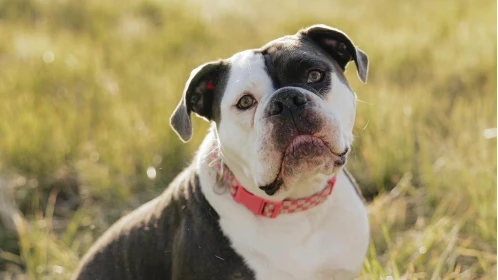
Love for Lu
Back in May, LuLu went through surgery to remove a dangerous mast cell tumor. Unfortunately, her recovery hasn’t been as simple as we hoped. The tumor...
Loading...
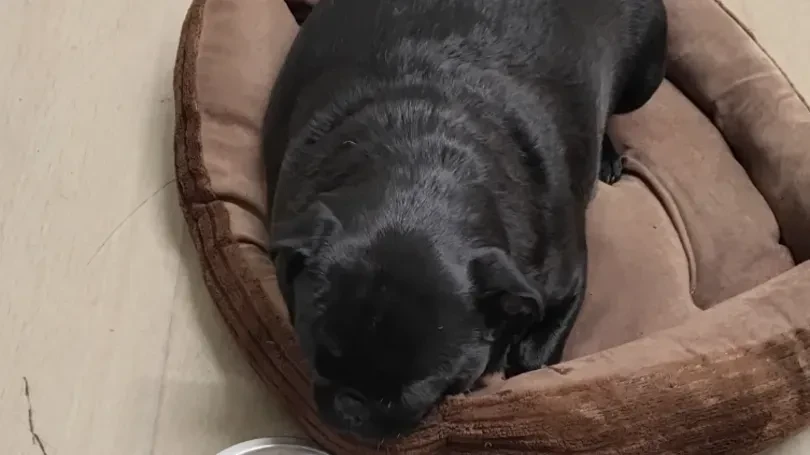
Help Handsome Through Pancreatitis Treatment
Handsome is a loving emotional support service animal who is 1.5 years old. He's been hospitalized with severe pancreatitis and needs care during this...
Loading...
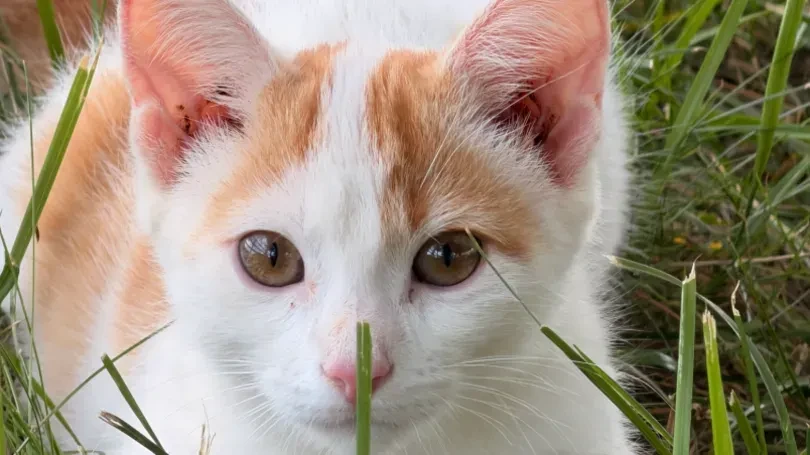
Help Ani Heal and Return to the Farm!
Help us bless the Enoch family! They are some of the most generous and kind hearted people you could ever meet. They have a sweet new addition to the...
Loading...
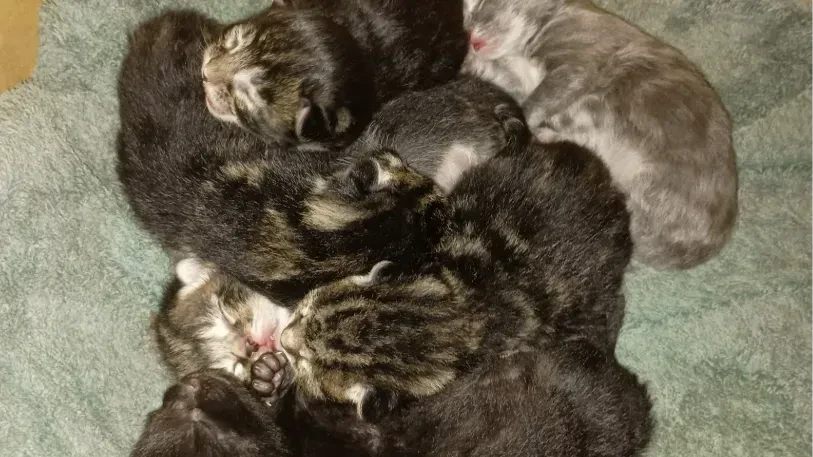
Mom & 6 babies
Our UPS driver saw our yard sign of our missing Jasper and a sign of a found look alike cat in another neighborhood. Unfortunately it wasn't Jasper bu...
Loading...
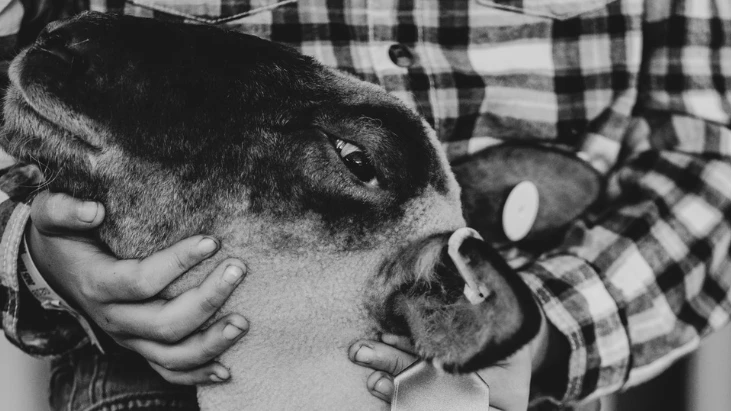
Help Our Family After Losing Our Fair Lambs
My children raised lambs they were preparing to show at the fair in two weeks. They spent hundreds of dollars feeding them and countless hours trainin...
Loading...

Thistle needs to see a specialist
Thistle is my female American staffordshire. She is only 4 years old. 35 days ago she had a massive seizure, and we couldn’t figure out why. We took h...
Loading...
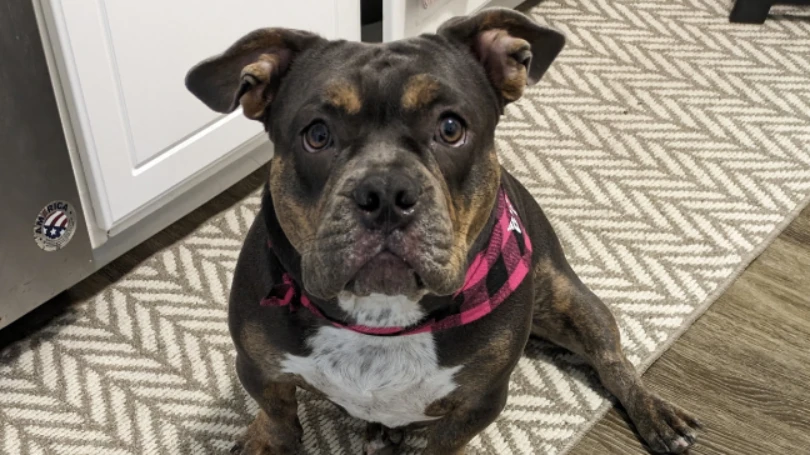
Help Mama’s Heal From Injury
Update - Diagnosis was better than expected for Mamas. Any support for emergency vet bills is still appreciated!Please join us in ...
Loading...
What people raise for in Animals & Pets
Most fundraisers here start with a number nobody was expecting. It might be a surgery quote after the dog got hit, or an x-ray that turns into a specialist and then a second specialist, or a cat with a long diagnosis and a monthly bill behind it. Rescues and shelters raise here too, for intake and medical care, food, transport, boarding, and hay through a bad season.
Put the actual numbers in the story. If the clinic gave you an estimate, break it out into the surgery, the overnight stay, the medication, and the follow-up. Then use the animal's name, add clear photos, and say what happens next once the money comes in. Those specifics are what keep a stranger reading, and they're what make the people who already know you comfortable sharing it.
Crowdfunding for pets and animals: how it works
Crowdfunding for pets works the same way every other fundraiser on GiveSendGo does. People assume a vet bill needs some kind of special program, and it doesn't. You don't need a nonprofit, an EIN, or a registered rescue behind you. Anyone can start a fundraiser. Setup takes about ten minutes: create an account, open My Fundraisers, click Start a GiveSendGo, then pick the recipient's country, set a goal, choose a category, write your title and story, and add a photo or a short video. What GiveSendGo does require is that you're transparent about how the funds will be used.
What actually moves an animal fundraiser:
- Break the clinic's estimate into its parts, so people can see what they're covering.
- Use the animal's name, and photos clear enough that a stranger stops scrolling.
- Say what the surgery or the treatment is meant to fix.
- Ask the people closest to you first, because early gifts tell everyone else the fundraiser is real.
- Post an update once treatment starts, so the people who gave find out how it went.
What it costs to run one
GiveSendGo doesn't take a cut. There's no platform fee. What's deducted is the payment processor's fee: 2.7% + 30¢ per gift for US fundraisers, 3.5% + 30¢ outside the US. On a $100 gift to a US fundraiser, $97 reaches you.
Here's how that lands on the gifts you're most likely to see:
| Gift | US (2.7% + 30¢) | Non-US (3.5% + 30¢) |
|---|---|---|
| $25 | $24.03 | $23.83 |
| $50 | $48.35 | $47.95 |
| $100 | $97.00 | $96.20 |
| $250 | $242.95 | $240.95 |
Non-USD fundraisers may also see currency exchange fees set by the payment processor. When you create a fundraiser you can also pledge a percentage of what you raise to GiveSendGo. If you set one, that amount is added on top of each gift and shown to your givers at checkout, so some read it as a platform fee. It's editable any time in your fundraiser Settings, and it only applies to gifts that come in after you change it.
When the money reaches your bank
Nothing here is same-day, so it's worth knowing the timing before you promise anything to a clinic. Your first gift becomes available 5 days after it's received. Every gift after that becomes available on a rolling 3-day basis. Once you request a transfer, it typically lands in your bank within 2 to 3 business days. Non-USD transfers can take longer.
You can request a transfer from the Transfers tab whenever funds are available, or set transfers to go out weekly, bi-weekly, or monthly. A manual transfer sends your whole available balance, and once one is approved you wait 24 hours before requesting another. If the bill is due before the money clears, tell the clinic you're raising funds and ask what they can do on timing.
Who receives the money
The recipient must be 18 or older, live in the fundraiser's country, and have a bank account there. That can be you. If a rescue or shelter is receiving the funds, the person completing the recipient form can choose the Business bank account type, entering the legal business name and the organization's own bank details, so the money lands in the organization's account rather than a personal one. Either way a real person, 18 or older, stands behind it and completes identity verification. That step is a standard financial-industry requirement and isn't waived for anyone.
Review starts once the ID has been uploaded and the first gift has landed, whichever comes later. So it pays to get these right early:
- Choose the country the recipient lives and banks in carefully, because the recipient's country can't be changed after the fundraiser is created.
- Upload the ID as soon as the fundraiser is live, since verification has to clear before any transfer.
- US recipients should connect a checking account rather than savings, because a savings account can be rejected by the bank.
If you came here to give
Every gift runs through a PCI Level 1-certified payment processor, the highest tier in the payments industry, and card details are never stored on GiveSendGo's own servers. You can check "Hide My Name from Public View" at checkout and appear as an Anonymous Giver on the page, though the creator and recipient still see your name and email so they can thank you. You can send a prayer along with the gift, and plenty of people do.
A rescue that sounds charitable isn't automatically a deductible gift, so this part matters before tax season. Nothing given on GiveSendGo is tax-deductible unless it goes through GiveSendGo Charities, the 501(c)(3). That includes the Giver Army, which is Charities' recurring giving program. The one exception is a recipient that is itself a verified 501(c)(3). GiveSendGo itself is not a 501(c)(3), does not verify any recipient's tax status, and does not issue tax receipts for a personal fundraiser. When the recipient is a nonprofit, the receipt comes from them, not from us.
Common questions
Can I use GiveSendGo for vet bills?
Yes. GiveSendGo supports almost any need, and a veterinary bill for your own animal is a normal fundraiser here. You don't need a nonprofit, an EIN, or a registered rescue behind you. What's required is that you're transparent about how the funds will be used.
What can I do if my dog's surgery costs more than I have?
Start a fundraiser and be specific. Post the clinic's estimate broken into its parts, the animal's name, clear photos, and what the surgery is meant to fix. Ask the people closest to you first, because early gifts are what tell everyone else the fundraiser is real. The timing matters too. Your first gift becomes available 5 days after it's received, and gifts after that on a rolling 3-day basis, so tell the clinic you're fundraising and ask what they can do about the due date.
Does GiveSendGo require verification?
Yes, for everyone. Every recipient completes identity verification through the payment partner before any transfer, and it can't be waived. Review covers the fundraiser's content, the recipient's identity, and the bank setup. It starts once the recipient has uploaded ID and the fundraiser has received its first gift, whichever comes later, and typically completes 1 to 2 business days after that.
Do I need to be a registered rescue or a nonprofit?
No. Anyone can start a fundraiser.
Can the money go into our rescue's bank account instead of a personal one?
Yes. When the recipient sets up bank details they can choose the Business account type, entering the legal business name and the organization's own bank details. The person completing that form is still an individual, 18 or older, with a government-issued ID, acting as the authorized representative.
Is a gift to my rescue or to my pet's vet bills tax-deductible?
Nothing given on GiveSendGo is tax-deductible unless it goes through GiveSendGo Charities, the 501(c)(3). That includes the Giver Army, which is Charities' recurring giving program. The one exception is a recipient that is itself a verified 501(c)(3). GiveSendGo itself is not a 501(c)(3), does not verify any recipient's tax status, and does not issue tax receipts for a personal fundraiser. When the recipient is a nonprofit, the receipt comes from them, not from us.
Is the money I raise for my pet's care taxable income?
In most cases no. Funds raised are generally treated as personal gifts rather than taxable income, as long as nothing is given in exchange for the gift, and GiveSendGo doesn't issue 1099s to recipients or report gifts to the IRS. If a business or rewards for givers are involved, the IRS may treat it differently, and that's a question for a tax professional.
What does GiveSendGo charge?
GiveSendGo doesn't take a cut. There's no platform fee. What's deducted is the payment processor's fee: 2.7% + 30¢ per gift for US fundraisers, 3.5% + 30¢ outside the US. On a $100 gift to a US fundraiser, $97 reaches you. Non-USD fundraisers may also see currency exchange fees set by the payment processor.
When does the money actually reach my bank?
Your first gift becomes available 5 days after it's received. Every gift after that becomes available on a rolling 3-day basis. Once you request a transfer, it typically lands in your bank within 2 to 3 business days. Non-USD transfers can take longer. Request transfers from the Transfers tab whenever funds are available, or set them to weekly, bi-weekly, or monthly.
Can I keep the fundraiser out of public search?
You can set your fundraiser to private: it stays out of GiveSendGo search results and category listings, so only people you send the link to will find it. Your name still shows to anyone who opens it.
GiveSendGo
The place where help and hope go hand-in-hand.
