

Animals / Pets Fundraisers
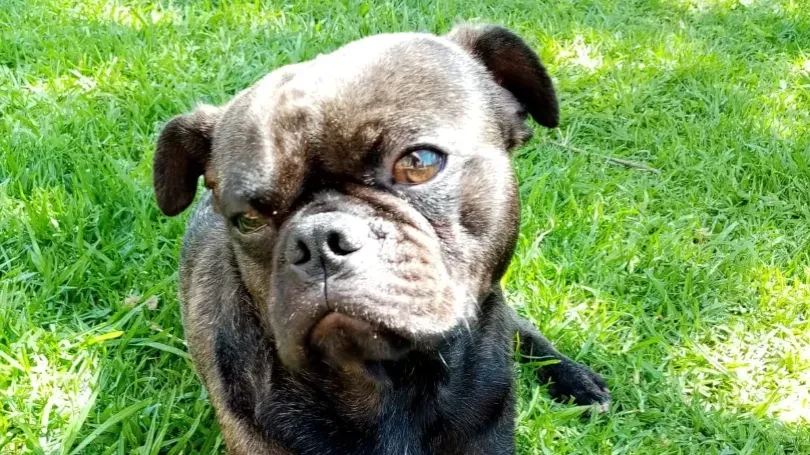
Help us bring our boy Ritz home
We are the Barnards (future for me Esmari 😁), and a couple of weeks ago we were given the incredible opportunity to begin a new life in the United St...
Loading...
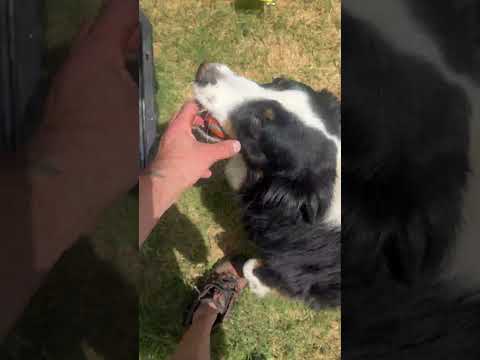
Nodens Helped Ryan Survive Now Nodens Needs Help
Nodens needs care, and I am asking for help because I cannot cover it alone right now.He is my service dog, my daily companion, and the one steady pre...
Loading...
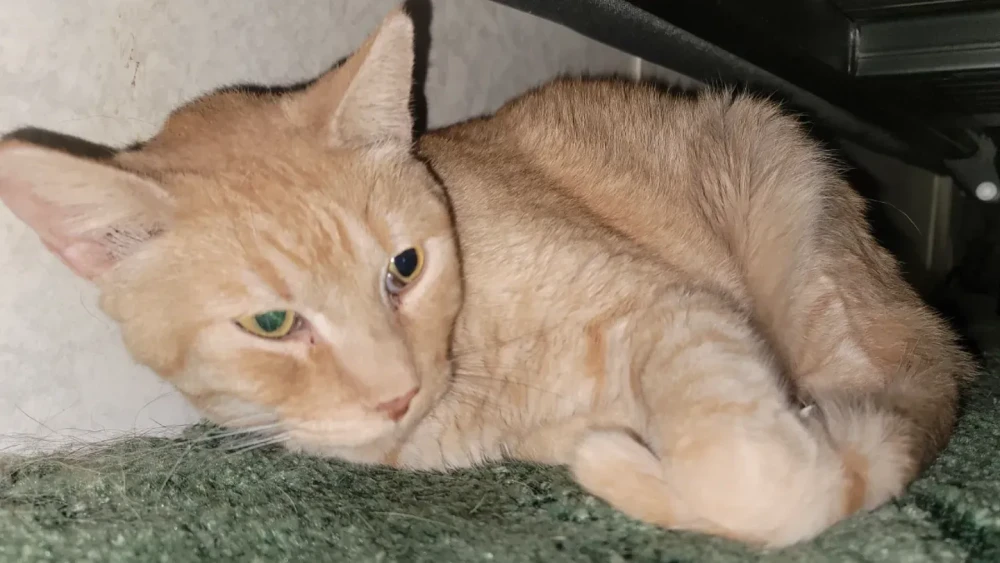
Please help Morris with vet bills
Morris was a stray cat that showed up at my house a little over two years ago. He was obviously dumped by someone because he was already fixed and he...
Loading...

Opal needs your help!
I searched for so long to find the perfect dog for me. I finally found my adorable little Opal about a year ago. She is the most full of life, lovable...
Loading...

Farm Animals At Our Sanctuary Need Your Help!🙏
Today, I'm going to be completely honest.For the past two years, we've done everything we possibly could to keep Rosie's Best Friends Farm Sanctuary m...
Loading...
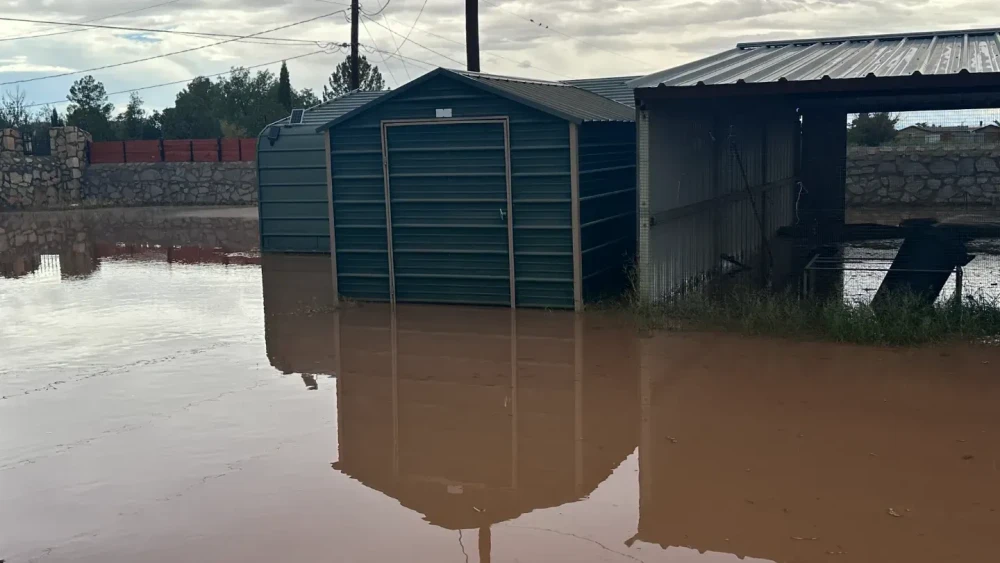
Flood Disaster at Broken Promises SW!
Hello friends,Our cats need your help. The recent monsoons have devastated our sanctuary, flooding the shelters and soaking the cat trees and beds our...
Loading...
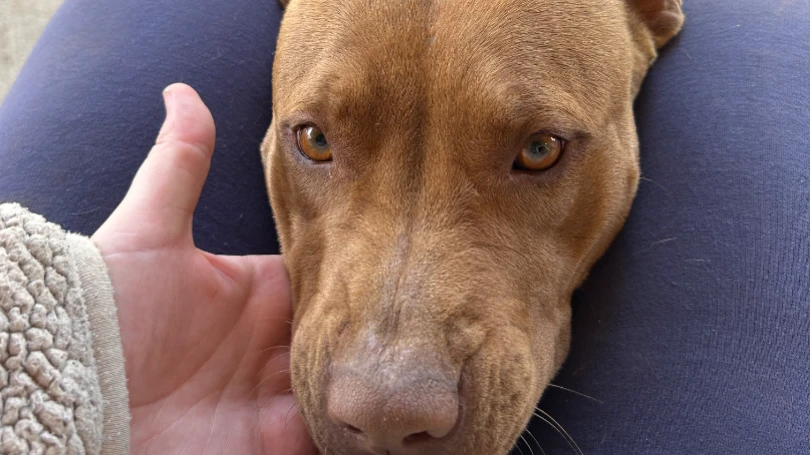
Juggy surgery and recovery
**UPDATE: juggy is home and safe!! She still has many many stitches and staples and a long road ahead of her.Last night, my dog Juggy was brutally att...
Loading...
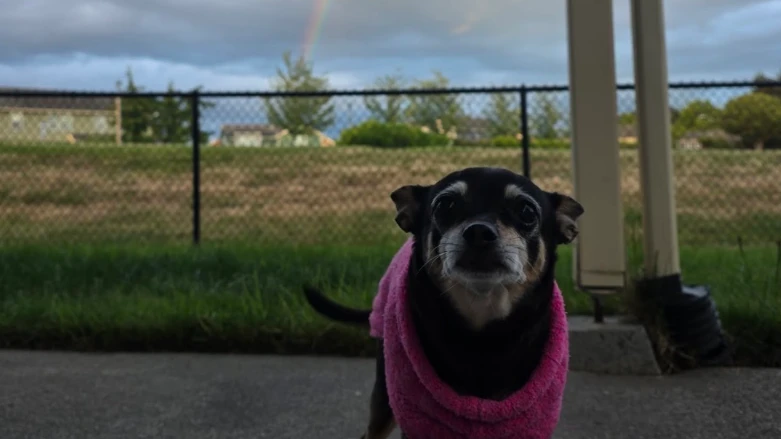
Medical expenses for Beads the Chihuahua
Beads is the most loving Chihuahua I have ever known. She is the lovely pet of my daughter, Taylor and Son in law, Don. Beads never knows a stranger....
Loading...

Two Brothers Five Cats and a Ford Focus
We are Pete and Joe, two retired brothers. After a series of difficult events, we lost our home. We did everything we could to prevent it, but we now...
Loading...
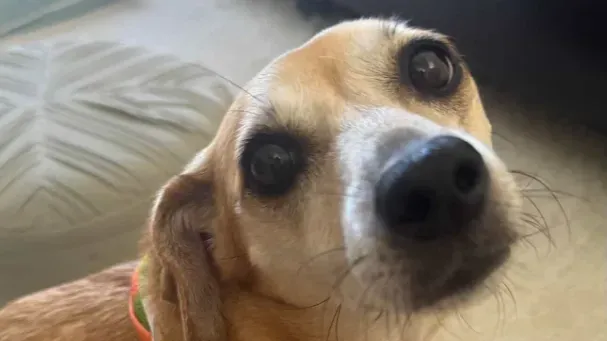
Support for Mugi's Road to Recovery
Hi everyone,I am organizing this fundraiser on behalf of my good friend and their sweet dog, Mugi.We aren't exactly sure what happened, but Recently,...
Loading...
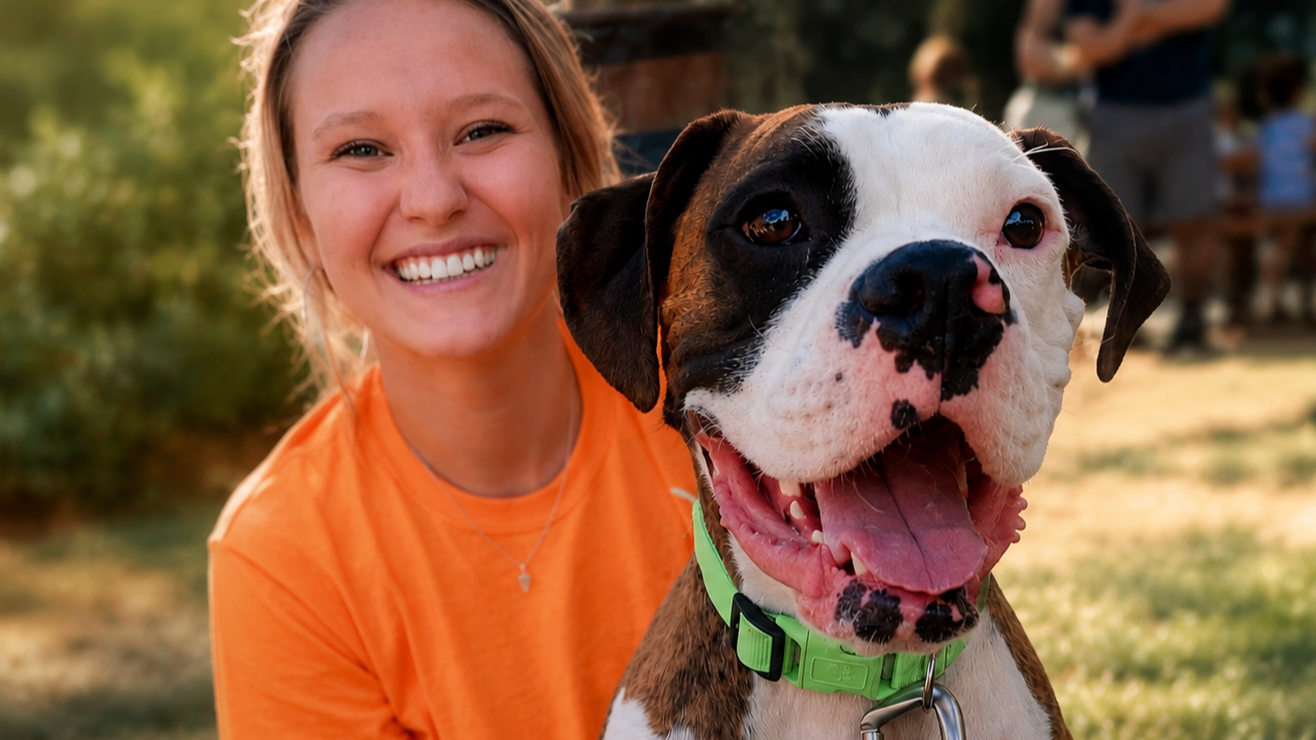
Help Moze Beat Cancer
Hi everyone, This is one of the hardest things I’ve ever had to write, but I’m asking for help for my best friend, Moze. Moze is my 9-year-old bo...
Loading...
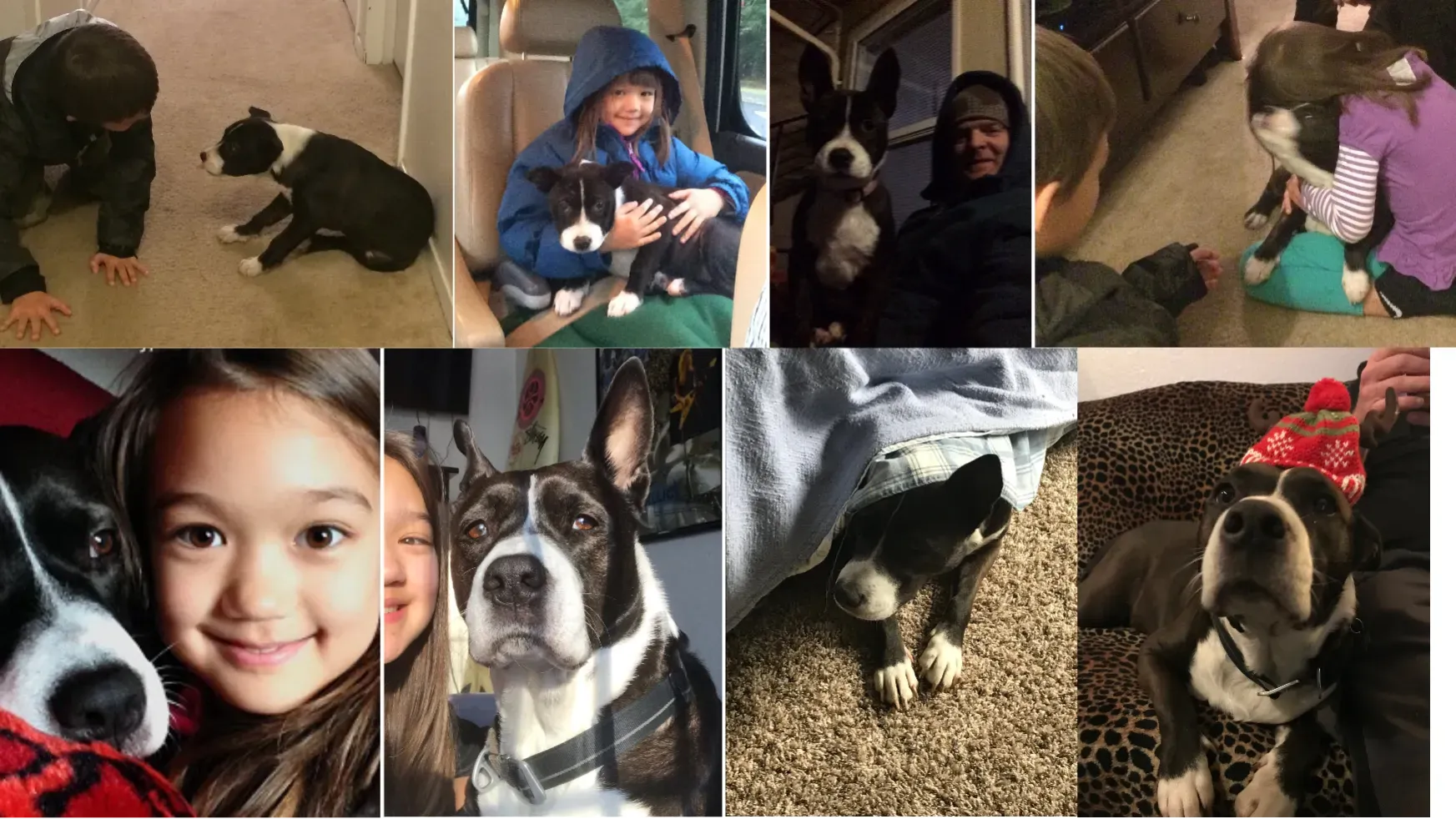
Help Give Mia Jepsen the Surgery She Needs
My name is Jon Jepsen, and I'm asking for help to save my best friend, Mia.Mia is a 10-year-old Border Collie, Australian Shepherd, and Pittie mix. On...
Loading...
What people raise for in Animals & Pets
Most fundraisers here start with a number nobody was expecting. It might be a surgery quote after the dog got hit, or an x-ray that turns into a specialist and then a second specialist, or a cat with a long diagnosis and a monthly bill behind it. Rescues and shelters raise here too, for intake and medical care, food, transport, boarding, and hay through a bad season.
Put the actual numbers in the story. If the clinic gave you an estimate, break it out into the surgery, the overnight stay, the medication, and the follow-up. Then use the animal's name, add clear photos, and say what happens next once the money comes in. Those specifics are what keep a stranger reading, and they're what make the people who already know you comfortable sharing it.
Crowdfunding for pets and animals: how it works
Crowdfunding for pets works the same way every other fundraiser on GiveSendGo does. People assume a vet bill needs some kind of special program, and it doesn't. You don't need a nonprofit, an EIN, or a registered rescue behind you. Anyone can start a fundraiser. Setup takes about ten minutes: create an account, open My Fundraisers, click Start a GiveSendGo, then pick the recipient's country, set a goal, choose a category, write your title and story, and add a photo or a short video. What GiveSendGo does require is that you're transparent about how the funds will be used.
What actually moves an animal fundraiser:
- Break the clinic's estimate into its parts, so people can see what they're covering.
- Use the animal's name, and photos clear enough that a stranger stops scrolling.
- Say what the surgery or the treatment is meant to fix.
- Ask the people closest to you first, because early gifts tell everyone else the fundraiser is real.
- Post an update once treatment starts, so the people who gave find out how it went.
What it costs to run one
GiveSendGo doesn't take a cut. There's no platform fee. What's deducted is the payment processor's fee: 2.7% + 30¢ per gift for US fundraisers, 3.5% + 30¢ outside the US. On a $100 gift to a US fundraiser, $97 reaches you.
Here's how that lands on the gifts you're most likely to see:
| Gift | US (2.7% + 30¢) | Non-US (3.5% + 30¢) |
|---|---|---|
| $25 | $24.03 | $23.83 |
| $50 | $48.35 | $47.95 |
| $100 | $97.00 | $96.20 |
| $250 | $242.95 | $240.95 |
Non-USD fundraisers may also see currency exchange fees set by the payment processor. When you create a fundraiser you can also pledge a percentage of what you raise to GiveSendGo. If you set one, that amount is added on top of each gift and shown to your givers at checkout, so some read it as a platform fee. It's editable any time in your fundraiser Settings, and it only applies to gifts that come in after you change it.
When the money reaches your bank
Nothing here is same-day, so it's worth knowing the timing before you promise anything to a clinic. Your first gift becomes available 5 days after it's received. Every gift after that becomes available on a rolling 3-day basis. Once you request a transfer, it typically lands in your bank within 2 to 3 business days. Non-USD transfers can take longer.
You can request a transfer from the Transfers tab whenever funds are available, or set transfers to go out weekly, bi-weekly, or monthly. A manual transfer sends your whole available balance, and once one is approved you wait 24 hours before requesting another. If the bill is due before the money clears, tell the clinic you're raising funds and ask what they can do on timing.
Who receives the money
The recipient must be 18 or older, live in the fundraiser's country, and have a bank account there. That can be you. If a rescue or shelter is receiving the funds, the person completing the recipient form can choose the Business bank account type, entering the legal business name and the organization's own bank details, so the money lands in the organization's account rather than a personal one. Either way a real person, 18 or older, stands behind it and completes identity verification. That step is a standard financial-industry requirement and isn't waived for anyone.
Review starts once the ID has been uploaded and the first gift has landed, whichever comes later. So it pays to get these right early:
- Choose the country the recipient lives and banks in carefully, because the recipient's country can't be changed after the fundraiser is created.
- Upload the ID as soon as the fundraiser is live, since verification has to clear before any transfer.
- US recipients should connect a checking account rather than savings, because a savings account can be rejected by the bank.
If you came here to give
Every gift runs through a PCI Level 1-certified payment processor, the highest tier in the payments industry, and card details are never stored on GiveSendGo's own servers. You can check "Hide My Name from Public View" at checkout and appear as an Anonymous Giver on the page, though the creator and recipient still see your name and email so they can thank you. You can send a prayer along with the gift, and plenty of people do.
A rescue that sounds charitable isn't automatically a deductible gift, so this part matters before tax season. Nothing given on GiveSendGo is tax-deductible unless it goes through GiveSendGo Charities, the 501(c)(3). That includes the Giver Army, which is Charities' recurring giving program. The one exception is a recipient that is itself a verified 501(c)(3). GiveSendGo itself is not a 501(c)(3), does not verify any recipient's tax status, and does not issue tax receipts for a personal fundraiser. When the recipient is a nonprofit, the receipt comes from them, not from us.
Common questions
Can I use GiveSendGo for vet bills?
Yes. GiveSendGo supports almost any need, and a veterinary bill for your own animal is a normal fundraiser here. You don't need a nonprofit, an EIN, or a registered rescue behind you. What's required is that you're transparent about how the funds will be used.
What can I do if my dog's surgery costs more than I have?
Start a fundraiser and be specific. Post the clinic's estimate broken into its parts, the animal's name, clear photos, and what the surgery is meant to fix. Ask the people closest to you first, because early gifts are what tell everyone else the fundraiser is real. The timing matters too. Your first gift becomes available 5 days after it's received, and gifts after that on a rolling 3-day basis, so tell the clinic you're fundraising and ask what they can do about the due date.
Does GiveSendGo require verification?
Yes, for everyone. Every recipient completes identity verification through the payment partner before any transfer, and it can't be waived. Review covers the fundraiser's content, the recipient's identity, and the bank setup. It starts once the recipient has uploaded ID and the fundraiser has received its first gift, whichever comes later, and typically completes 1 to 2 business days after that.
Do I need to be a registered rescue or a nonprofit?
No. Anyone can start a fundraiser.
Can the money go into our rescue's bank account instead of a personal one?
Yes. When the recipient sets up bank details they can choose the Business account type, entering the legal business name and the organization's own bank details. The person completing that form is still an individual, 18 or older, with a government-issued ID, acting as the authorized representative.
Is a gift to my rescue or to my pet's vet bills tax-deductible?
Nothing given on GiveSendGo is tax-deductible unless it goes through GiveSendGo Charities, the 501(c)(3). That includes the Giver Army, which is Charities' recurring giving program. The one exception is a recipient that is itself a verified 501(c)(3). GiveSendGo itself is not a 501(c)(3), does not verify any recipient's tax status, and does not issue tax receipts for a personal fundraiser. When the recipient is a nonprofit, the receipt comes from them, not from us.
Is the money I raise for my pet's care taxable income?
In most cases no. Funds raised are generally treated as personal gifts rather than taxable income, as long as nothing is given in exchange for the gift, and GiveSendGo doesn't issue 1099s to recipients or report gifts to the IRS. If a business or rewards for givers are involved, the IRS may treat it differently, and that's a question for a tax professional.
What does GiveSendGo charge?
GiveSendGo doesn't take a cut. There's no platform fee. What's deducted is the payment processor's fee: 2.7% + 30¢ per gift for US fundraisers, 3.5% + 30¢ outside the US. On a $100 gift to a US fundraiser, $97 reaches you. Non-USD fundraisers may also see currency exchange fees set by the payment processor.
When does the money actually reach my bank?
Your first gift becomes available 5 days after it's received. Every gift after that becomes available on a rolling 3-day basis. Once you request a transfer, it typically lands in your bank within 2 to 3 business days. Non-USD transfers can take longer. Request transfers from the Transfers tab whenever funds are available, or set them to weekly, bi-weekly, or monthly.
Can I keep the fundraiser out of public search?
You can set your fundraiser to private: it stays out of GiveSendGo search results and category listings, so only people you send the link to will find it. Your name still shows to anyone who opens it.
GiveSendGo
The place where help and hope go hand-in-hand.
