
First Responders Fundraisers
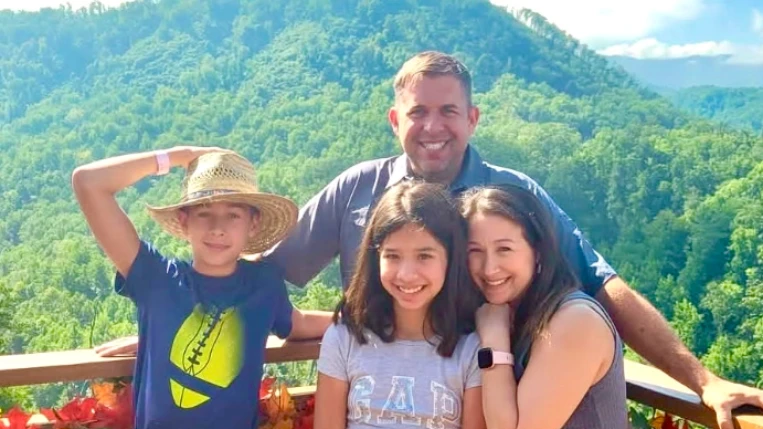
Support Captain David Carpenter
“God is our refuge and strength, a very present help in trouble.” Psalm 46:1 I begin with this Psalm as the foundation for this campaign. There i...
Loading...

Helping IDF Soldiers Get Better Protective Gear No
We are raising funds to help provide IDF soldiers with improved protective gear and essential equipment. Every contribution can help support those ser...
Loading...

Nepal Flood Relief for Harvest Training Centre
Help Nepalese Families Devastated by FloodsA catastrophic flash flood has struck Nepal’s Rasuwa District, destroying homes, roads, bridges, businesses...
Loading...
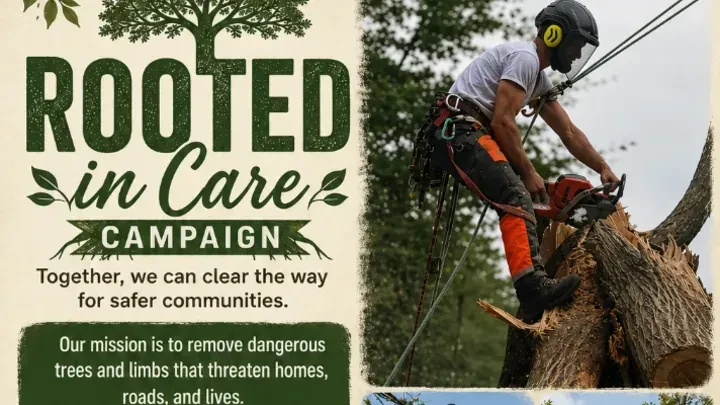
Fox Cites Tornado: Rooted In Care Campaign
The Fox Cites were devastated recently by an EF3 tornado that ripped through our major metropolitan area. Thousands of homes were damaged, hundreds ar...
Loading...

Support Officer Fields
Support Officer Davon Fields If you believe in due process, collective bargaining, labor rights, and supporting our law enforcement men ...
Loading...
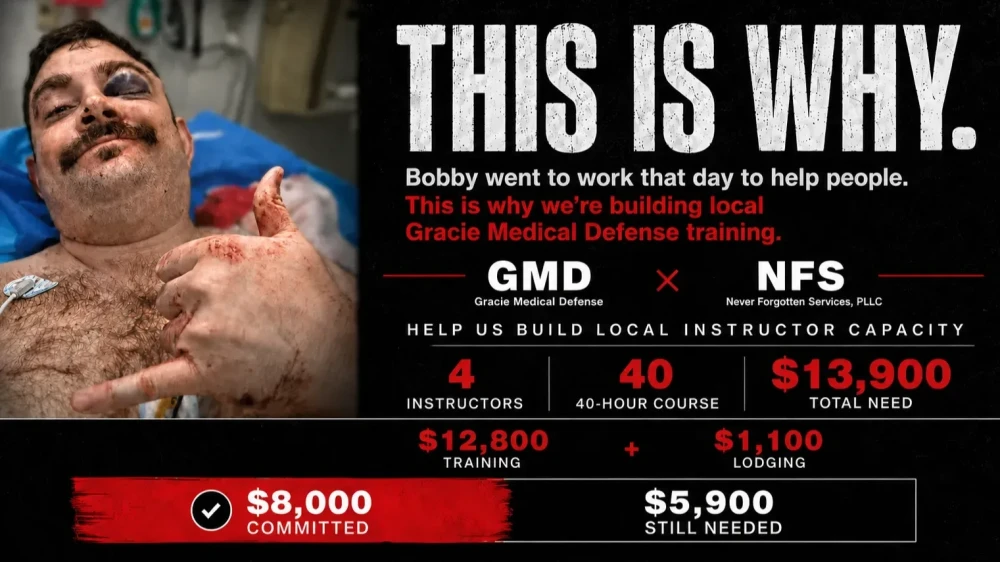
Help Us Bring Gracie Medical Defense Training Home
This photo is being shared with Bobby Poynton’s explicit permission and blessing.Bobby went to work that day to help people. He ended up being the one...
Loading...

AFA - The GREAT AMERICAN 9/11 PICKLEBALL RALLY
AMERICA'S NEW GENERATION OF FIRST RESPONDERSAFA is a growing National Network of Athletes, sports teams and sports organizations that are committ...
Loading...

Faith, Hope & Healing for Frank
(Friends: If you find this site charges too much when you go to donate, please contact Heather Lynn on Facebook for other affordable ways to donate. T...
Loading...

Standing with Clarence Through Recovery
I am a former Emergency management first responderOn October 25, 2025, I survived a violent assault in which I was stabbed more than 18 in the back a...
Loading...

Deputy Mortimer
Deputy Mortimer was shot in the line of duty while working for the Kalamazoo County Sheriff’s Office on July 17, 2026. He was assisting on a larceny i...
Loading...
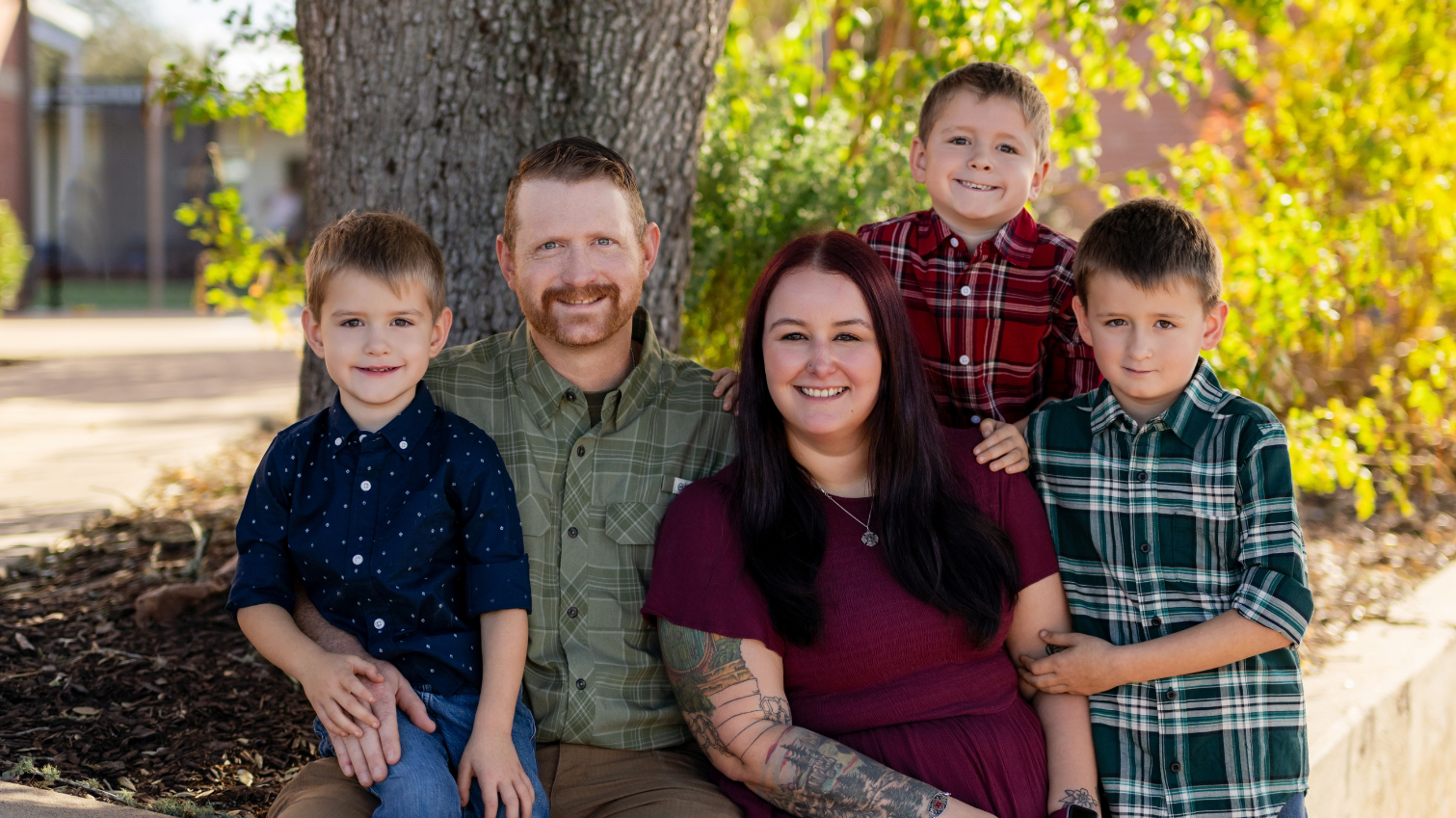
Standing With a Texas Paramedic and His Family.
Hey friends —Some of you know I’ve been dealing with a spinal injury from work as a paramedic, and I had surgery earlier this month. What a lot of fol...
Loading...
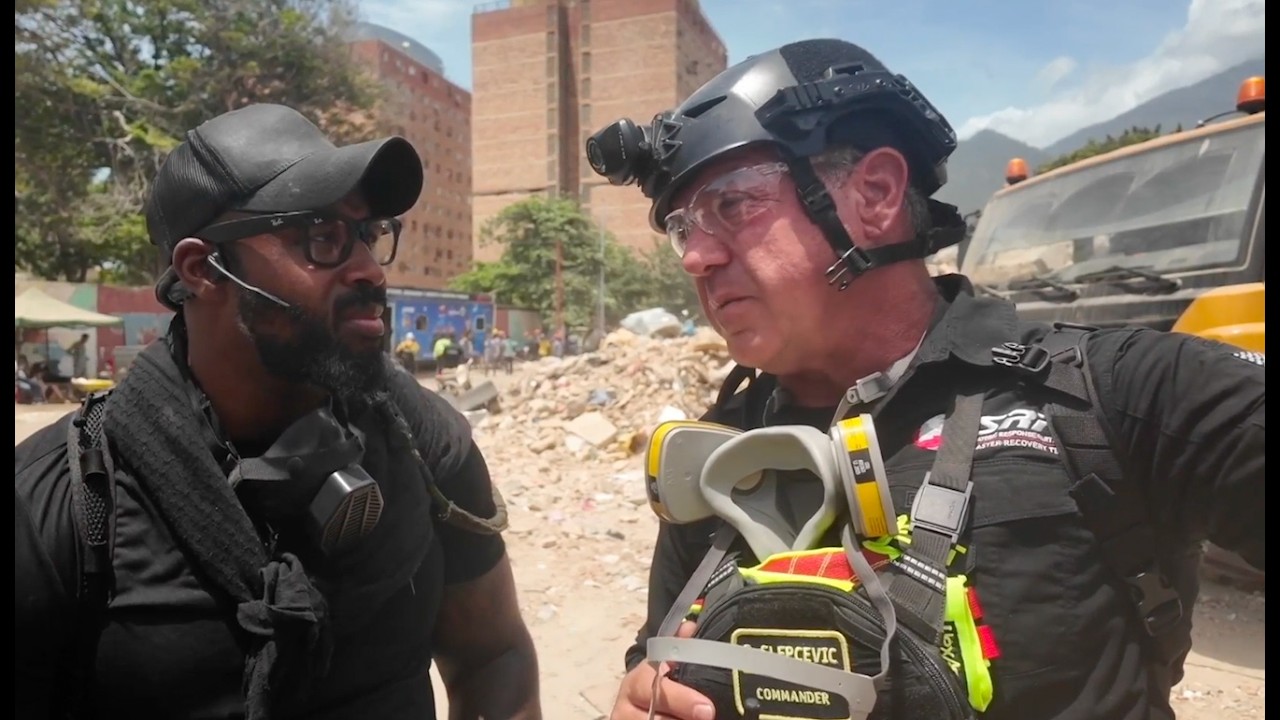
SRP URBAN SEARCH & RESCUE – VENEZUELA EARTHQUAKES
Steve Slepcevic and Byron Rogers join Del Bigtree on The HighWire with raw, never before seen footage from the devastating earthquakes in Venezuela. T...
Loading...
What people raise for here
The needs here start with an injury or a death in the line of duty, and they run on through the surgery that comes after years of the job wearing a body down, a cancer diagnosis, or a family going through a hard stretch that has nothing to do with the job at all. On the department side they look different: gear, a K-9, a wellness fund, an anniversary, or a legal fund.
The fundraiser doesn't have to be about one bad day. A long, grinding one counts, and so does the ordinary kind of hardship that would be filed under medical or family if the person weren't a paramedic, a deputy, or a firefighter. The category you pick doesn't change how a fundraiser performs, and you can edit it later.
Almost nobody in this category raises for themselves
These fundraisers get started by the person standing next to the responder: a colleague, a spouse, a union rep, someone on the same shift. That's normal here, and it's allowed: anyone can start a fundraiser on behalf of someone else, and you don't need a nonprofit or an EIN to do it.
What you do need is a recipient. The recipient must be 18 or older, live in the fundraiser's country, and have a bank account there. Every recipient completes identity verification before any transfer. The recipient's country can't be changed after the fundraiser is created, so pick it carefully. If the person you're raising for can't be the recipient (a minor, for instance), a parent, guardian, or the organization has to stand in. The writing and the sharing can come from you, but the ID and the bank details have to come from them.
How to raise money for a first responder or a veteran
The mechanics don't change with the story. Raising for a firefighter after a line-of-duty injury, for a retired paramedic facing a diagnosis, or for a combat veteran whose family needs a roof runs through the same short setup.
- Say what happened and what the money covers, because a realistic goal, a specific breakdown, a direct ask, and a good photo or short video are what separate a fundraiser that works from one that stalls.
- Name the recipient and let them finish their half: the photo ID, the bank account, and a valid tax ID in that country.
- Watch the verification clock, since review starts once the ID is uploaded and the first gift has arrived, and it usually finishes 1 to 2 business days after that.
- Then work the network you already have: the shift, the house, the local, or the department's own list. That is where this category's fundraisers get their reach.
- Expect up to 48 hours before it shows up in GiveSendGo's own search, so send the direct link to the shift and the family's own list rather than telling people to search.
- Set it to private if the family would rather it stayed quiet: it stays out of GiveSendGo search results and category listings, so only people you send the link to will find it. Your name still shows to anyone who opens it.
What it costs, and when the money reaches the family
GiveSendGo doesn't take a cut. There's no platform fee. What's deducted is the payment processor's fee: 2.7% + 30¢ per gift for US fundraisers, 3.5% + 30¢ outside the US. On a $100 gift to a US fundraiser, $97 reaches you. Outside the US, that $100 gift lands at $96.20.
We can charge nothing because of the optional tip at checkout: every giver sees a suggested tip to GiveSendGo, adjustable to any amount including $0, and that's what funds our operating costs. One separate setting to know about. A percentage to GiveSendGo set when the fundraiser was created is added on top of each gift and shown to the people giving at checkout, and it's editable anytime in fundraiser Settings.
Your first gift becomes available 5 days after it's received. Every gift after that becomes available on a rolling 3-day basis. Once you request a transfer, it typically lands in your bank within 2 to 3 business days. Non-USD transfers can take longer. Transfers can be requested from the Transfers tab whenever funds are available, or set to go out weekly, bi-weekly, or monthly. After that, the bank's own posting schedule decides when the money shows up.
If a department or an association is the one raising
Funds can land in an organization's own account. The person completing verification is always an individual, 18 or older, with a government-issued photo ID, acting as the legal representative. They select the Business bank account type with the legal business name and the organization's bank details. And one account can run more than one fundraiser, so the gear fund this year and the K-9 next year live in the same place.
Volunteer companies, county fire chiefs associations, and constables' associations already raise here for anniversaries, wellness programs, gear, and legal funds.
Reach is what this category runs on, and our help desk puts consistent sharing and regular updates ahead of a single announcement.
If you came here to give
Plenty of people here are giving rather than raising funds. Every fundraiser listed above has been published at least 5 days and has taken $100 or more in online gifts, which is what it takes to be listed here, and offline gifts don't count toward that. Before any money moves, the recipient completes identity verification and the trust and safety team checks the fundraiser over.
Common questions
Can I start a fundraiser for a coworker, a firefighter, or a deputy?
Yes. Anyone can start a fundraiser on behalf of someone else, and most fundraisers in this category work exactly that way: a colleague, a spouse, or someone on the same shift writes it. You don't need a nonprofit or an EIN to start one.
How do I help someone who won't ask for help themselves?
Start it for them and name them as the recipient. They'll need to complete the recipient side themselves, since identity verification runs through the payment partner and can't be waived for anyone. The writing, the sharing, and the asking can come from you. Say plainly what happened, what the money covers, and who's organizing it.
Who has to receive the money?
The recipient must be 18 or older, live in the fundraiser's country, and have a bank account there. If their country isn't supported, a trusted adult in a supported country can be named as recipient and pass the funds along. Every recipient completes identity verification before any transfer. The recipient's country can't be changed after the fundraiser is created.
They'll also need a valid tax ID in that country, a government-issued photo ID with date of birth, a phone number, and a residential address, with no PO boxes.
Can a department, association, or volunteer company raise money here?
Yes. Whoever completes verification is always a person, 18 or older, with a government-issued photo ID, acting as the organization's legal representative, and that person chooses the Business bank account type, entering the legal business name and the organization's own bank details, so funds land in the organization's account rather than a personal one. One account can run more than one fundraiser, so the next need doesn't mean starting over.
What does GiveSendGo charge?
Nothing. GiveSendGo charges $0 in platform fees, and no cut of what's raised goes to GiveSendGo. What's deducted is the payment processor's fee: 2.7% + $0.30 per gift for US fundraisers, 3.5% + $0.30 outside the US. On a $100 gift to a US fundraiser, $97.00 reaches the fundraiser. Separately, if a percentage to GiveSendGo was set when the fundraiser was created, that amount is added on top of each gift and shown to givers at checkout. It's editable anytime in fundraiser Settings.
When does the money reach the family?
Your first gift becomes available 5 days after it's received. Every gift after that becomes available on a rolling 3-day basis. Once you request a transfer, it typically lands in your bank within 2 to 3 business days. Non-USD transfers can take longer. After that, the bank's own posting schedule decides when it shows up.
Can we raise money for an officer's legal defense?
Yes. Legal defense is one of the things GiveSendGo explicitly welcomes, including fundraisers other platforms turn away, as long as they follow our Terms of Service. One rule applies to a specific class of case: if the charges are violent or weapons-related, the funds can't go to the creator or the defendant. A licensed US attorney or law firm actively on the case has to be named as the recipient.
Is money raised for a responder's family taxable income for them?
In most cases, no. Funds raised are generally treated as personal gifts rather than taxable income, as long as nothing is given in exchange for the donation, and GiveSendGo doesn't issue 1099s to recipients or report donations to the IRS. A fundraiser involving a business, a political cause, or rewards for givers may be treated differently by the IRS. That's a question for a tax professional.
Can we keep the fundraiser out of public search?
You can set your fundraiser to private: it stays out of GiveSendGo search results and category listings, so only people you send the link to will find it. Your name still shows to anyone who opens it. Creator and recipient names always display, and a fully anonymous fundraiser isn't possible on GiveSendGo. A newly published public fundraiser can take up to 48 hours to appear in GiveSendGo's own search.
Are gifts to a fundraiser for an officer or a veteran tax-deductible?
Nothing given on GiveSendGo is tax-deductible unless it goes through GiveSendGo Charities, the 501(c)(3). That includes the Giver Army, which is Charities' recurring giving program. The one exception is a recipient that is itself a verified 501(c)(3). GiveSendGo itself is not a 501(c)(3), does not verify any recipient's tax status, and does not issue tax receipts for a personal fundraiser. When the recipient is a nonprofit, the receipt comes from them, not from us. That is true even when a department, union, or benevolent association is the recipient.
GiveSendGo
The place where help and hope go hand-in-hand.
