

Blog
Church Fundraising: Free, Faith-Based Fundraising for Churches
Posted by Alex Shipley on Sep 19, 2026
Every church has a list. The roof that needs replacing before winter. The teenager who got invited on a mission trip and can't cover the cost. The family in the third pew who can't pay the bills this month. The list is always there, and it's usually longer than the offering plate can cover on its own.
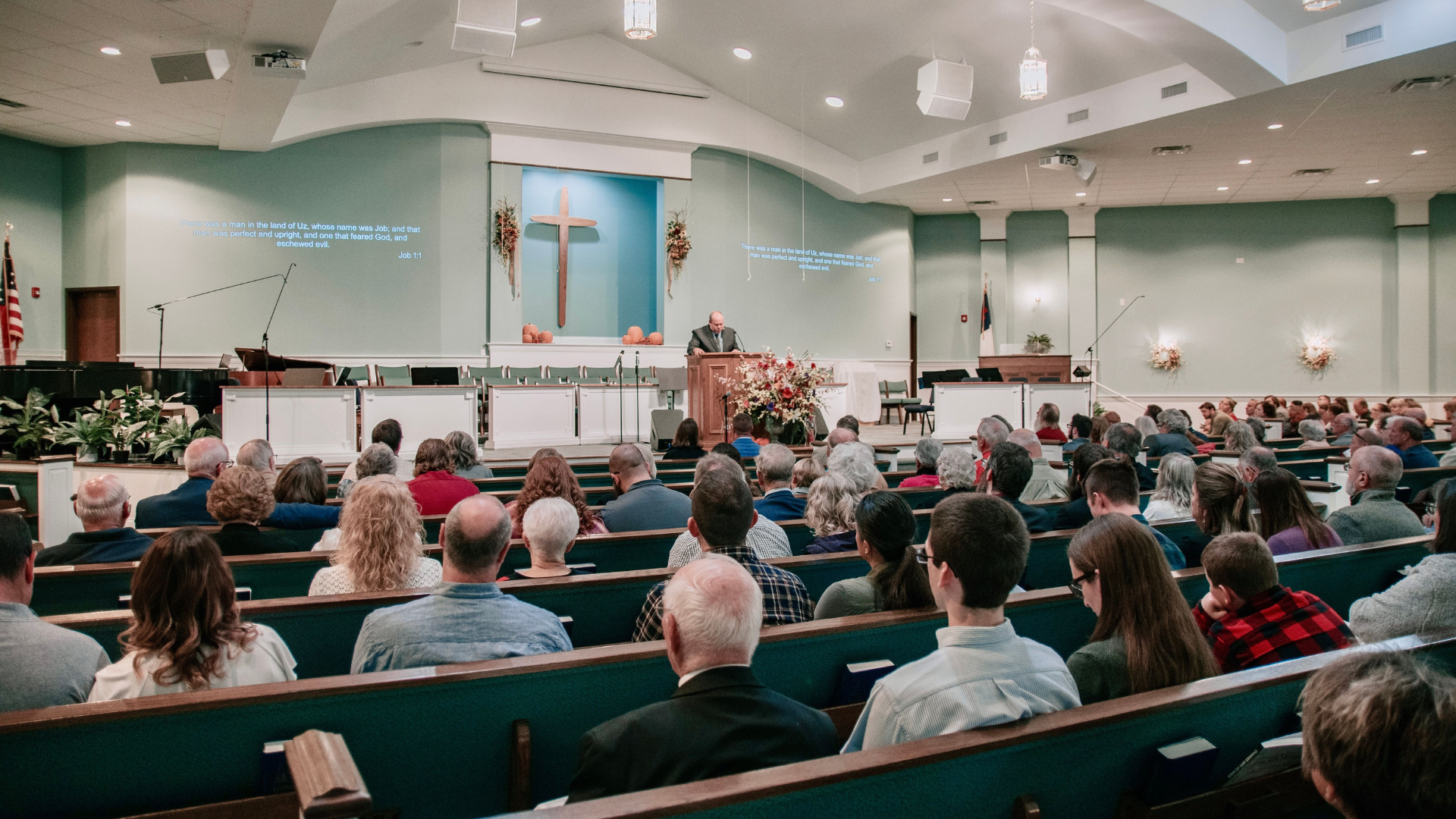
Church fundraising is how a congregation turns "someone should do something" into "here's what we did." And it turns out you don't need a gala, a committee, or any special training to do it. Here's why churches use GiveSendGo, what they raise for, and how to start one of your own.
Churches come to GiveSendGo for a long list of reasons: mission trips, building repairs and expansions, new sound equipment, outreach programs, disaster relief, and the day-to-day needs of a member who's struggling. We put together a list of 50 church fundraising ideas that actually work. Whatever the cause, the fundraiser becomes a place where a congregation, and often a wider community, can rally around it together.
A few things make it a natural fit for churches specifically.
It's free, and the fee is lower than most. GiveSendGo charges a 0% platform fee, so no percentage of what your church raises gets skimmed off the top. The only cost is standard card processing, which comes out before the transfer, and it's lower than what many other platforms charge. For a church watching every dollar, that difference goes straight back into the mission.
Faith isn't an add-on, it's the whole point. GiveSendGo was built by Christians, so you're not squeezing a ministry need into a secular tool. That means you and your church can feel good about the platform you've chosen. Every fundraiser has a Pray button right next to the Give button, so people who can't give financially can still lift your church up in prayer, and plenty do. And our Hope Team calls and prays for the people behind fundraisers, no pitch, no catches, just genuine encouragement.
No one gets turned away for what they believe. Churches have watched other platforms quietly remove faith-based fundraisers under public pressure. On GiveSendGo, your beliefs aren't under a microscope. Sharing the hope of Jesus is the whole reason our platform exists, and we believe people should have the freedom to fundraise for any legal cause God has called them to.
It's built for people who've never done this before. Setting up a fundraiser takes minutes, and if a first-timer gets stuck, a real person on our support team answers quickly and thoughtfully.
If your church has never run an online fundraiser, the process is simpler than you'd expect. There's no application to fill out, no waiting period, and no need to be a financial expert. Here's how it works from start to finish.
You create a fundraiser. One person, a pastor, a staff member, a lay leader, or even a member acting on the church's behalf, sets up the page. You pick your country, choose a category, give the fundraiser a clear title, write out the need, and add a photo or short video. The whole setup takes just a few minutes.
You set a goal and tell the story. Decide on an amount your congregation can realistically picture reaching, and explain plainly what the money is for and who it helps. Specific, honest stories raise far more than vague appeals, so "a new roof over the fellowship hall before winter, $18,000" will always outperform "help support our church."
You share it. A fundraiser doesn't spread on its own. Send it first to the people closest to the need, your congregation, then encourage them to share it with their own families, friends, and networks. Sharing early and often, especially in the first few days, is the single biggest driver of a successful fundraiser.
People give, and pray. Supporters can give in a few clicks, and on GiveSendGo they can also leave a prayer through the Pray button, whether or not they're able to give financially. For a church, that combination of practical and spiritual support is the whole point.
The money reaches your church. As donations come in, funds become available to transfer to the recipient's connected bank account, on your schedule, automatic or manual. GiveSendGo takes no platform fee, so aside from standard payment processing, what's given is what your church receives.
That's the entire process. No gatekeeping, no complicated paperwork, just a straightforward way for a community to meet a need together.
Want proof church fundraising works? Look at the churches already doing it.
When Andrew L. got the chance to go on his very first mission trip, with a team from his church heading to Honduras to help build a house, he set a modest goal of $1,000 and started sharing it. He didn't just hit the goal. He passed it, reaching $1,300 with two full months to spare before the team even left.
He later posted on our Prayer Wall: "My fundraiser for my very first mission trip ended up becoming 130% funded and I still have two months before our team even leaves. Thanks to generous contributions from my family and friends I'll be able to help build a house in Honduras. Super excited to make a difference in another country and be the hands and feet of Christ."
That's the pattern that really works: a reasonable goal, a story told plainly, and a circle of family and friends who were glad to be asked.
Some fundraisers carry more weight than others. The Braszko family set out to build a small memorial chapel in northwest Missouri to honor their 18-year-old daughter, Lillian "Lily" Grace, after her long battle with cancer. Lily helped shape it herself, offering design preferences for how she wanted the chapel to look, a tall building with white walls and a blue domed roof, built in a traditional Christian style, meant to be a place of peace and prayer for family and friends for years to come.
The family chose GiveSendGo because it’s a Christian crowdfunding site. As the chapel has taken shape, they've kept posting updates so everyone who gave can watch Lily's legacy rise brick by brick. In one, reflecting on the year since her passing, the family wrote that they miss her as much as ever, but "do not mourn as those with no hope." They thanked everyone who gave for helping turn the dream they shared with Lily into something real.
Sometimes the person in need is the one who's usually doing the caring. Steve Mathews, a pastor in Valdese, North Carolina, contracted a flesh-eating bacterial infection that nearly took his life and cost him both legs and part of a hand. The recovery ahead was long and expensive: medical bills, travel, prosthetics, therapy, and a home that suddenly had to work differently.
He didn't have to ask. A friend of Steve and his wife Dawn started a fundraiser for them, and their church, family, and friends rallied around it, helping cover the mountain of costs that come with a catastrophe like this one. The congregation Steve pastors even threw the couple a welcome-home celebration. It's a picture of the church being the church, the body caring for one of its own when he couldn't care for himself. You can watch our interview with Steve or read his full story on our blog.
Steve's story is a reminder that a fundraiser can be started by anyone, not only the person in need, or those closest to them. When someone is walking through the worst season of their life, they often don't have the energy, ability, or the heart to ask for help themselves. A friend, a family member, or a fellow church member can carry that part for them, setting up the fundraiser and telling the story so the person in crisis can focus on healing.
Church leaders setting up their first fundraiser tend to worry about a few things: whether it'll be complicated, what the fees will cost, and whether real support will actually be there if something goes wrong. Here's what a few of them said after running their fundraiser and leaving five stars for the experience.
Robyn S. set up a first-time fundraiser and, when she ran into questions, she said, "I had excellent support." They were prompt and thorough enough that her fundraiser was set up correctly and taking donations quickly, and her church now plans to use the platform for future member and school needs.
For Gale B., who ran one for her church, it came down to the ease and the cost: "Easy to set up, and the fee [their processor charges] is cheaper than any other." She was struck by the service, too: when she reached out with a question, support replied the same day, even though it was a Saturday.
And sometimes the review is just short and glad. As one church organizer, R.T., put it: "Our church is using GiveSendGo for a fundraiser. What a great experience. Highly recommended."
Wondering whether your need is something you can even fundraise for? Almost certainly yes. We've pulled together a full list, from building projects and mission trips to member needs and community outreach, in our guide to 50 church fundraising ideas, along with how to get started with any one of them.
When you're ready, starting takes about as long as reading this article. Click Start a GiveSendGo, then pick your country, choose a category, tell your story, and add a photo or video. Set a goal your congregation can picture reaching, tell the need plainly, and send it to the first handful of people who'd want to help. That's usually all it takes to get moving. (For a fuller walkthrough, here's exactly how GiveSendGo works.)
"And my God will supply every need of yours according to his riches in glory in Christ Jesus" (Philippians 4:19). Often, he does it through his people. Your church already has the list. This is how you invite them in to start helping.
Ready to begin? Start a church fundraiser.
Frequently Asked Questions
The best fit for a church is a platform built with faith in mind, one that won't remove a fundraiser for being Christian, doesn't take a cut of what's raised so more reaches the mission, and treats prayer as part of the experience rather than an afterthought. GiveSendGo was created as a Christian crowdfunding site for exactly this reason, with a 0% platform fee, a Pray button on every fundraiser, and a support team that understands ministry needs. Ultimately the "best" site is the one your congregation can trust and use easily, and for many churches that's the deciding factor.
A church can technically use most general crowdfunding platforms, but many congregations choose a faith-based option instead. The difference comes down to values, features, and support.
GiveSendGo was built by Christians for everyone, with the mission to share the hope of Jesus through crowdfunding. That heart is why prayer is at every corner: the Pray button sits right next to the Give button, the Hope Team calls and prays by name for the people behind every fundraiser, and the Prayer Wall gives anyone a place to post a request.
It also matters that GiveSendGo won't pull a fundraiser over faith-related content, the way some secular platforms have. And when you need help, real people are there, around the clock. GiveSendGo staffs live agents 24/7, no bots, and is known for some of the fastest support in crowdfunding, which makes all the difference for a first-time organizer. Between a platform that shares your beliefs, answers when you need it, and lets supporters pray as well as give, most churches find it a far better fit than a secular alternative.
Start by naming a specific need, whether it's a building repair, a mission trip, a member in crisis, or your general ministry fund, then set a realistic goal and create a fundraiser people can share. Tell the story plainly, add a photo or video, and send it first to your congregation, encouraging them to pass it along to their own networks. Sharing early and often is the biggest driver of success, and pairing the ask with prayer invites your whole community to take part, whether or not they can give financially.
Churches raise funds for nearly everything: building projects and repairs, mission trips, missionary support, benevolence for members in need, outreach programs, staff and pastor support, equipment, church plants, and day-to-day operating costs. If it's a real, legal need in the life of your church, it's something you can fundraise for. The clearer and more specific the purpose, the more freely people tend to give.
GiveSendGo charges a 0% platform fee, so we take no cut of what your church raises. The only cost is the standard payment processing fee, and that's charged by the payment processor to handle the card transaction, not by GiveSendGo. That fee is lower than what most other fundraising platforms charge, so your church keeps more of the money it raises, and it comes out before the transfer, so what lands in your account is simply what's left after processing. There's no separate fee for starting a fundraiser or for making multiple transfers.
Once a recipient is set up with identity verification and a connected bank account, funds become available to transfer as donations come in. You can set transfers to go out automatically on a schedule or request them manually, and once a transfer is processed, it typically reaches the bank account within a few business days. The exact timing depends on your bank, but there's no long waiting period built into the process.
Church fundraising is how a congregation turns "someone should do something" into "here's what we did." And it turns out you don't need a gala, a committee, or any special training to do it. Here's why churches use GiveSendGo, what they raise for, and how to start one of your own.
Why Churches Use GiveSendGo
Churches come to GiveSendGo for a long list of reasons: mission trips, building repairs and expansions, new sound equipment, outreach programs, disaster relief, and the day-to-day needs of a member who's struggling. We put together a list of 50 church fundraising ideas that actually work. Whatever the cause, the fundraiser becomes a place where a congregation, and often a wider community, can rally around it together.
A few things make it a natural fit for churches specifically.
It's free, and the fee is lower than most. GiveSendGo charges a 0% platform fee, so no percentage of what your church raises gets skimmed off the top. The only cost is standard card processing, which comes out before the transfer, and it's lower than what many other platforms charge. For a church watching every dollar, that difference goes straight back into the mission.
Faith isn't an add-on, it's the whole point. GiveSendGo was built by Christians, so you're not squeezing a ministry need into a secular tool. That means you and your church can feel good about the platform you've chosen. Every fundraiser has a Pray button right next to the Give button, so people who can't give financially can still lift your church up in prayer, and plenty do. And our Hope Team calls and prays for the people behind fundraisers, no pitch, no catches, just genuine encouragement.
No one gets turned away for what they believe. Churches have watched other platforms quietly remove faith-based fundraisers under public pressure. On GiveSendGo, your beliefs aren't under a microscope. Sharing the hope of Jesus is the whole reason our platform exists, and we believe people should have the freedom to fundraise for any legal cause God has called them to.
It's built for people who've never done this before. Setting up a fundraiser takes minutes, and if a first-timer gets stuck, a real person on our support team answers quickly and thoughtfully.
How Fundraising for Churches Works
If your church has never run an online fundraiser, the process is simpler than you'd expect. There's no application to fill out, no waiting period, and no need to be a financial expert. Here's how it works from start to finish.
You create a fundraiser. One person, a pastor, a staff member, a lay leader, or even a member acting on the church's behalf, sets up the page. You pick your country, choose a category, give the fundraiser a clear title, write out the need, and add a photo or short video. The whole setup takes just a few minutes.
You set a goal and tell the story. Decide on an amount your congregation can realistically picture reaching, and explain plainly what the money is for and who it helps. Specific, honest stories raise far more than vague appeals, so "a new roof over the fellowship hall before winter, $18,000" will always outperform "help support our church."
You share it. A fundraiser doesn't spread on its own. Send it first to the people closest to the need, your congregation, then encourage them to share it with their own families, friends, and networks. Sharing early and often, especially in the first few days, is the single biggest driver of a successful fundraiser.
People give, and pray. Supporters can give in a few clicks, and on GiveSendGo they can also leave a prayer through the Pray button, whether or not they're able to give financially. For a church, that combination of practical and spiritual support is the whole point.
The money reaches your church. As donations come in, funds become available to transfer to the recipient's connected bank account, on your schedule, automatic or manual. GiveSendGo takes no platform fee, so aside from standard payment processing, what's given is what your church receives.
That's the entire process. No gatekeeping, no complicated paperwork, just a straightforward way for a community to meet a need together.
Real Churches, Real Stories
Want proof church fundraising works? Look at the churches already doing it.
A First Mission Trip to Honduras
When Andrew L. got the chance to go on his very first mission trip, with a team from his church heading to Honduras to help build a house, he set a modest goal of $1,000 and started sharing it. He didn't just hit the goal. He passed it, reaching $1,300 with two full months to spare before the team even left.
He later posted on our Prayer Wall: "My fundraiser for my very first mission trip ended up becoming 130% funded and I still have two months before our team even leaves. Thanks to generous contributions from my family and friends I'll be able to help build a house in Honduras. Super excited to make a difference in another country and be the hands and feet of Christ."
That's the pattern that really works: a reasonable goal, a story told plainly, and a circle of family and friends who were glad to be asked.
A Chapel Built in Lily's Memory
Some fundraisers carry more weight than others. The Braszko family set out to build a small memorial chapel in northwest Missouri to honor their 18-year-old daughter, Lillian "Lily" Grace, after her long battle with cancer. Lily helped shape it herself, offering design preferences for how she wanted the chapel to look, a tall building with white walls and a blue domed roof, built in a traditional Christian style, meant to be a place of peace and prayer for family and friends for years to come.
The family chose GiveSendGo because it’s a Christian crowdfunding site. As the chapel has taken shape, they've kept posting updates so everyone who gave can watch Lily's legacy rise brick by brick. In one, reflecting on the year since her passing, the family wrote that they miss her as much as ever, but "do not mourn as those with no hope." They thanked everyone who gave for helping turn the dream they shared with Lily into something real.
When a Church Carried Its Pastor
Sometimes the person in need is the one who's usually doing the caring. Steve Mathews, a pastor in Valdese, North Carolina, contracted a flesh-eating bacterial infection that nearly took his life and cost him both legs and part of a hand. The recovery ahead was long and expensive: medical bills, travel, prosthetics, therapy, and a home that suddenly had to work differently.
He didn't have to ask. A friend of Steve and his wife Dawn started a fundraiser for them, and their church, family, and friends rallied around it, helping cover the mountain of costs that come with a catastrophe like this one. The congregation Steve pastors even threw the couple a welcome-home celebration. It's a picture of the church being the church, the body caring for one of its own when he couldn't care for himself. You can watch our interview with Steve or read his full story on our blog.
Steve's story is a reminder that a fundraiser can be started by anyone, not only the person in need, or those closest to them. When someone is walking through the worst season of their life, they often don't have the energy, ability, or the heart to ask for help themselves. A friend, a family member, or a fellow church member can carry that part for them, setting up the fundraiser and telling the story so the person in crisis can focus on healing.
What Real Churches Are Saying
Church leaders setting up their first fundraiser tend to worry about a few things: whether it'll be complicated, what the fees will cost, and whether real support will actually be there if something goes wrong. Here's what a few of them said after running their fundraiser and leaving five stars for the experience.
Robyn S. set up a first-time fundraiser and, when she ran into questions, she said, "I had excellent support." They were prompt and thorough enough that her fundraiser was set up correctly and taking donations quickly, and her church now plans to use the platform for future member and school needs.
For Gale B., who ran one for her church, it came down to the ease and the cost: "Easy to set up, and the fee [their processor charges] is cheaper than any other." She was struck by the service, too: when she reached out with a question, support replied the same day, even though it was a Saturday.
And sometimes the review is just short and glad. As one church organizer, R.T., put it: "Our church is using GiveSendGo for a fundraiser. What a great experience. Highly recommended."
Where to Start
Wondering whether your need is something you can even fundraise for? Almost certainly yes. We've pulled together a full list, from building projects and mission trips to member needs and community outreach, in our guide to 50 church fundraising ideas, along with how to get started with any one of them.
When you're ready, starting takes about as long as reading this article. Click Start a GiveSendGo, then pick your country, choose a category, tell your story, and add a photo or video. Set a goal your congregation can picture reaching, tell the need plainly, and send it to the first handful of people who'd want to help. That's usually all it takes to get moving. (For a fuller walkthrough, here's exactly how GiveSendGo works.)
"And my God will supply every need of yours according to his riches in glory in Christ Jesus" (Philippians 4:19). Often, he does it through his people. Your church already has the list. This is how you invite them in to start helping.
Ready to begin? Start a church fundraiser.
Frequently Asked Questions
What is the best crowdfunding site for churches?
The best fit for a church is a platform built with faith in mind, one that won't remove a fundraiser for being Christian, doesn't take a cut of what's raised so more reaches the mission, and treats prayer as part of the experience rather than an afterthought. GiveSendGo was created as a Christian crowdfunding site for exactly this reason, with a 0% platform fee, a Pray button on every fundraiser, and a support team that understands ministry needs. Ultimately the "best" site is the one your congregation can trust and use easily, and for many churches that's the deciding factor.
Can a church set up a GoFundMe?
A church can technically use most general crowdfunding platforms, but many congregations choose a faith-based option instead. The difference comes down to values, features, and support.
GiveSendGo was built by Christians for everyone, with the mission to share the hope of Jesus through crowdfunding. That heart is why prayer is at every corner: the Pray button sits right next to the Give button, the Hope Team calls and prays by name for the people behind every fundraiser, and the Prayer Wall gives anyone a place to post a request.
It also matters that GiveSendGo won't pull a fundraiser over faith-related content, the way some secular platforms have. And when you need help, real people are there, around the clock. GiveSendGo staffs live agents 24/7, no bots, and is known for some of the fastest support in crowdfunding, which makes all the difference for a first-time organizer. Between a platform that shares your beliefs, answers when you need it, and lets supporters pray as well as give, most churches find it a far better fit than a secular alternative.
How do I get funding for my church?
Start by naming a specific need, whether it's a building repair, a mission trip, a member in crisis, or your general ministry fund, then set a realistic goal and create a fundraiser people can share. Tell the story plainly, add a photo or video, and send it first to your congregation, encouraging them to pass it along to their own networks. Sharing early and often is the biggest driver of success, and pairing the ask with prayer invites your whole community to take part, whether or not they can give financially.
What can a church use donations for?
Churches raise funds for nearly everything: building projects and repairs, mission trips, missionary support, benevolence for members in need, outreach programs, staff and pastor support, equipment, church plants, and day-to-day operating costs. If it's a real, legal need in the life of your church, it's something you can fundraise for. The clearer and more specific the purpose, the more freely people tend to give.
Does my church keep all the money it raises?
GiveSendGo charges a 0% platform fee, so we take no cut of what your church raises. The only cost is the standard payment processing fee, and that's charged by the payment processor to handle the card transaction, not by GiveSendGo. That fee is lower than what most other fundraising platforms charge, so your church keeps more of the money it raises, and it comes out before the transfer, so what lands in your account is simply what's left after processing. There's no separate fee for starting a fundraiser or for making multiple transfers.
How long does it take to get the money?
Once a recipient is set up with identity verification and a connected bank account, funds become available to transfer as donations come in. You can set transfers to go out automatically on a schedule or request them manually, and once a transfer is processed, it typically reaches the bank account within a few business days. The exact timing depends on your bank, but there's no long waiting period built into the process.
Comments
There are no comments yet. Be the first to add a comment below!
