
Help Launch a Community Farm in South Sudan
Fundraiser created byDaniel Kaman Manyang Malok
Help Launch a Community Farm in South Sudan
Recent Donations
Updates
Prayer Requests
Click the Pray button to let the fundraiser owner know you are praying for them.
Fundraisers Near Me

Home for Babu & Rama
Hi everyone, I am setting up an online fundraiser for the purpose of building a small house for Babu and Rama, a long lost neighbour of mine from Indi...
Loading...

Help Costume MYPT's Youth Production of Patience!
Methuen Young People’s Theatre is delighted to present Gilbert and Sullivan’s Patience this year—a production that MYPT last staged in 34 years ago!Br...
Loading...

Faith in Action: Feeding Our Community
Hi, we’re Hannah and Emilio.For years, God has placed a deep calling on our hearts to serve those experiencing homelessness throughout Springfield, Ho...
Loading...

The First Non-Rolling Foam Roller: Help Launch It!
The Foam Roller That Doesn't Roll™ is our motto describing our simple novel home and gym exercise devices designed to fix the problems of rolling off...
Loading...
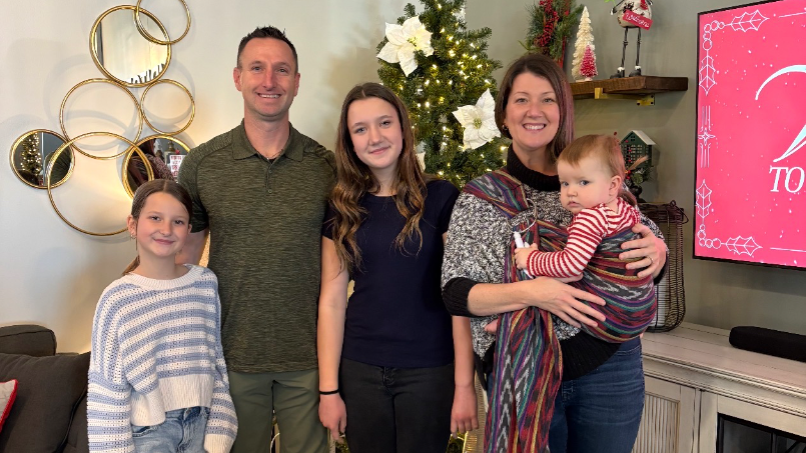
Standing with Holly in Her Breast Cancer Journey
First and foremost, we are asking for your prayers.As Holly begins her journey through a breast cancer diagnosis, our greatest hope is not found in a...
Loading...
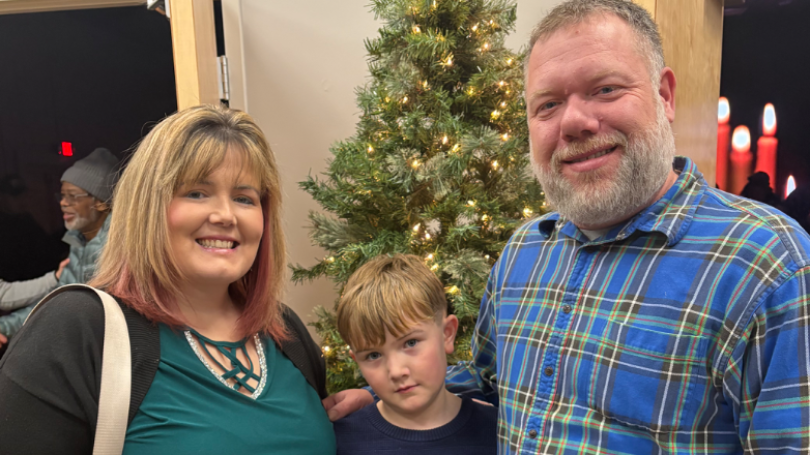
Support Family Along during Recovery from Surgery
Hello my name is Allison and I have been out of work since November due to a new diagnosis of epilepsy. I will be undergoing brain surgery the first w...
Loading...

Rebuilding After Stroke, Loss & Hardship
Help Me Through This Difficult SeasonMany of you know me through my writing, music, fiber arts, or our fellowship in Christ. Asking for help is not so...
Loading...
Help my mom
Update: Unfortunately my dad passed yesterday morning. My mom could really use all the support while we navigate this new part of our lives. We...
Loading...
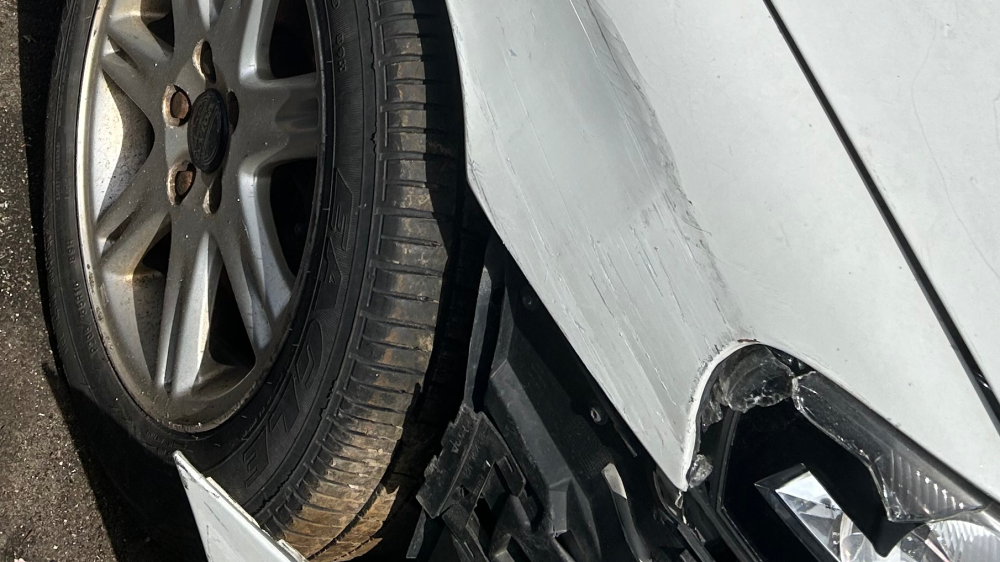
Reliable Help is On the Way! I do need a car!
I’m asking for community support. Many of you know my son Blais died in a motorcycle accident just over a year ago on September 30, 2023 I went into a...
Loading...
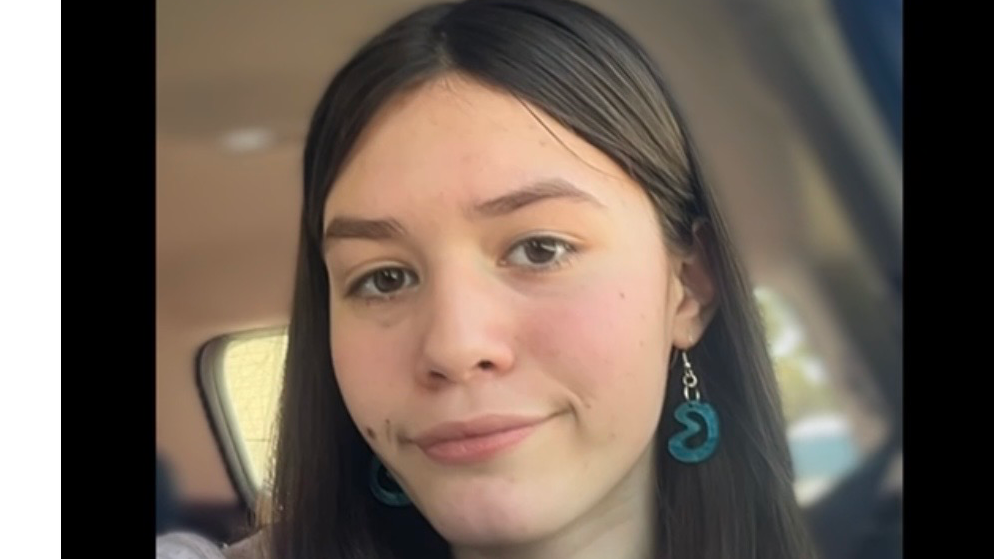
Help Return Autumn to Life Changing Camp!
Hi! My name is Autumn, and I’m 15 years old. My mom is helping organize this fundraiser on my behalf so I can attend camp this summer. I’m so exc...
Loading...
GiveSendGo
The place where help and hope go hand-in-hand.
