

Establishing Digital Literacy, Cybersecurity, Prog
Fundraiser created byAhmed Akinsanya
Fundraiser funds will be received by Ahmed Akinsanya
Establishing Digital Literacy, Cybersecurity, Prog
Recent Donations
Updates
Prayer Requests
Click the Pray button to let the fundraiser owner know you are praying for them.
Fundraisers Near Me

Walking in Faith:My Journey to Liberty University
Hi everyone,My name is Liana, and I’m currently preparing for one of the biggest steps in my life, going to college. This journey means so much more t...
Loading...
Emerge Mentoring for Teens in Foster Care
Emerge Mentoring is Mentoring for Teens in Foster Care.Every year in America, over 23,000 teens leave foster care without a consistent adult to guide...
Loading...
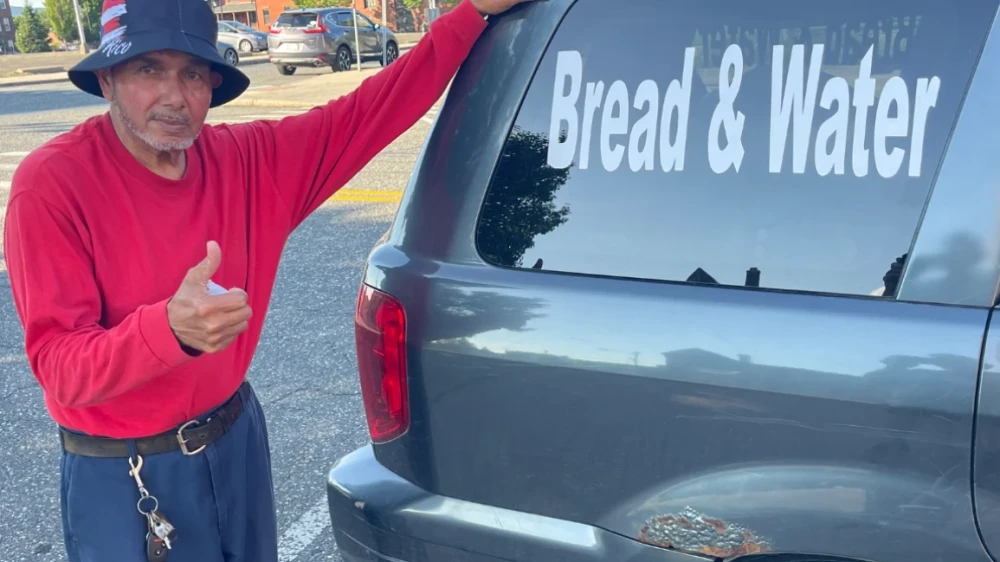
Bread & Water Ministry
I created this campaign for David Toledo who runs Bread & Water Ministry that serves homeless women of Hampshire and Hampden County. David’s testi...
Loading...
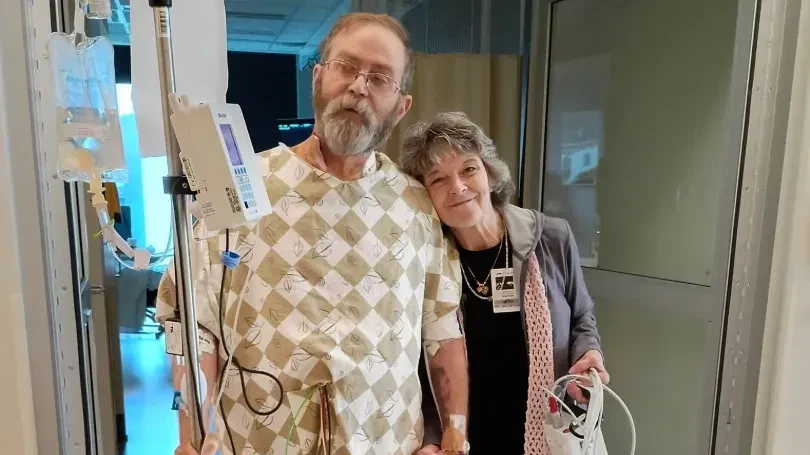
Help Mitch & Brenda Bickford
Since the beginning of August, my Uncle Mitch has been laid up in critical condition due to a very serious heart attack. While Mitch & Brenda had...
Loading...
Kevin Mackie ActonAssault Legal Fund
Pre-update 19: April 4, 2024:The jury's verdict on Commonwealth vs. Kevin Mackie: Docket # 2247CR000793:Assault & Battery w/ a Dangerous Weapon:NO...
Loading...

Emergency Relief for Earthquake Survivors Cali Col
We are raising funds to support families affected by the recent earthquake in Cali, Colombia. The donations will help provide emergency food, clean wa...
Loading...
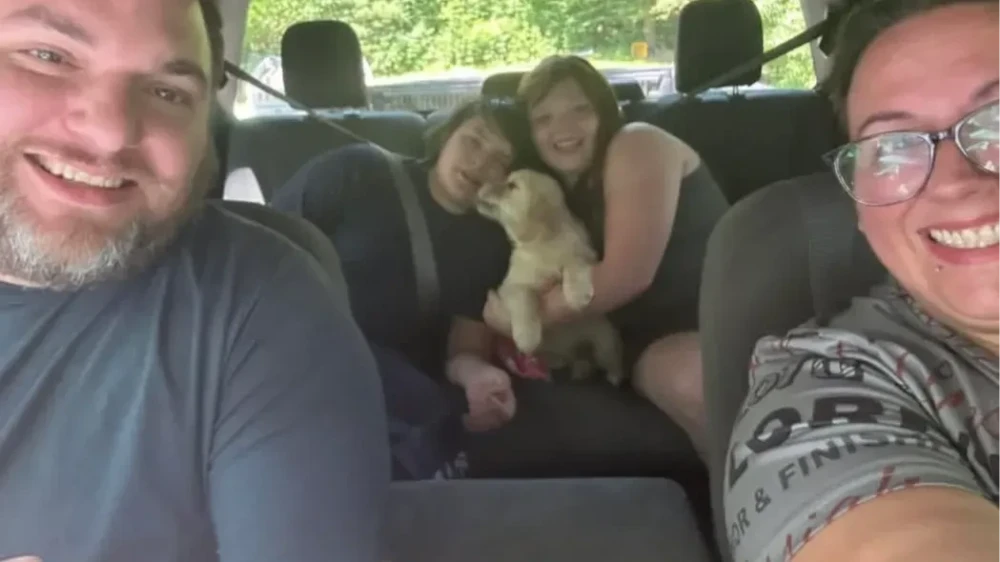
Love offering for the Lewis Family
August 13 2026 Brendon Lewis passed away unexpectedly. His wife Vanessa (23 yrs) and 2 children Merrick and Everleigh have been left stunned and devas...
Loading...
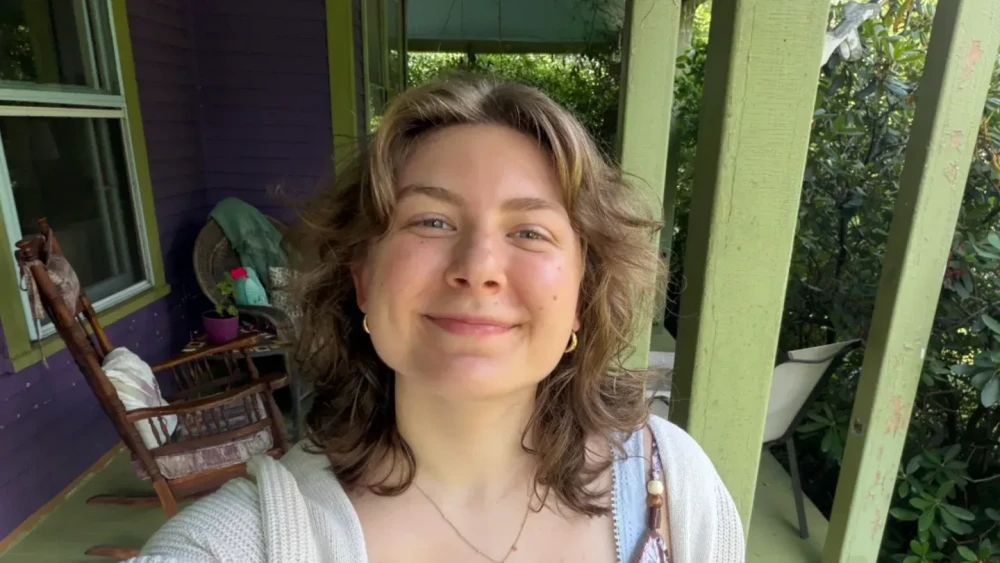
Mission with Generation Hope in Scotland
My name is Gabriella Cottrill, and I am from western Massachusetts! As a missionary with NET Ireland two years ago, I was introduced to GenHope in Sco...
Loading...

Help Save Baxter After A Severe Accident
On January 24, 2021, a chocolate lab retriever came into this world named Baxter. He became a beloved family member, a loyal companion, and a source o...
Loading...

Fire and Fragrance Mission Trip
In January, I’ll be leaving for a 3 month long mission trip with Fire and Fragrance! This is something that’s been on my heart for a while, and I’m so...
Loading...
GiveSendGo
The place where help and hope go hand-in-hand.
