
Current Events Fundraisers

🏔️ Help Me Make My 20th Birthday Trip Special! 🎂
Hi everyone! 💕 My birthday is coming up on December 🥇 , and this year I’m hoping to celebrate by taking a special trip to Big Bear with so...
Loading...

COVID-19 Victim Hearing in Washington DC
I am raising funds to travel to Washington DC for a COVID-19 roundtable event on September 28th, 2026. American citizens who have been affected by the...
Loading...

Help The Social Reset Bloom - Year One
Hi, I'm Maranda — a real estate agent, a yoga teacher, and for the last several months, someone building something I've never built before: The Social...
Loading...
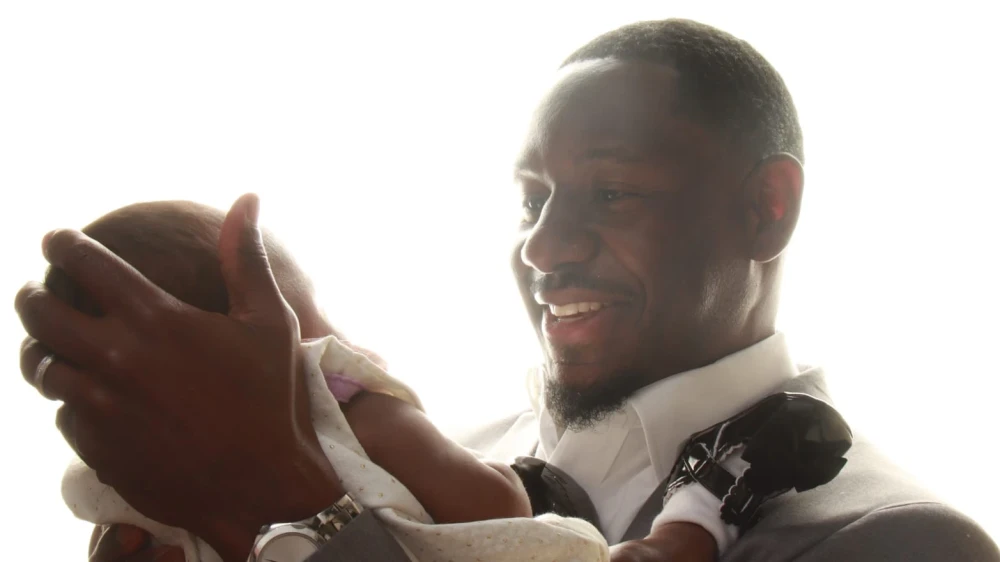
Stand With the Juror
Lindsay Clancy strangled her children. Cora was 5. Dawson was 3. Callan was 8 months old. Her lawyer stood up in court and admitted she used exercise...
Loading...

Community Health Celebration Dinner
HELP US REACH OUR DINNER EN NOIR GOAL! Acres Homes Super Neighborhood Council is preparing for our Annual Dinner en Noir, a FREE evening of welln...
Loading...

Help Us Keep Our Home and Rescue Animals
I've worked since I was 17, and six years ago I finally saved enough to buy a home for my seven children. This house is perfect for our large family,...
Loading...

Help Keep This Memorial on the Road
The Charlie Kirk Legacy Project started with a simple goal: create a mobile memorial that could go where people are, honor Charlie’s life and legacy,...
Loading...
Help us Deflock Transylvania County NC
DeFlock Transylvania County, NC is a grassroots effort focused on protecting privacy, civil liberties, and government transparency in our community.We...
Loading...

Nepal Disaster Relief
Initial statementThe sudden flood in the Bhotekoshi and Trishuli Rivers on Bhadra 10 (August 26, 2026) has severely affected Rasuwa, Nuwakot, Dhading,...
Loading...
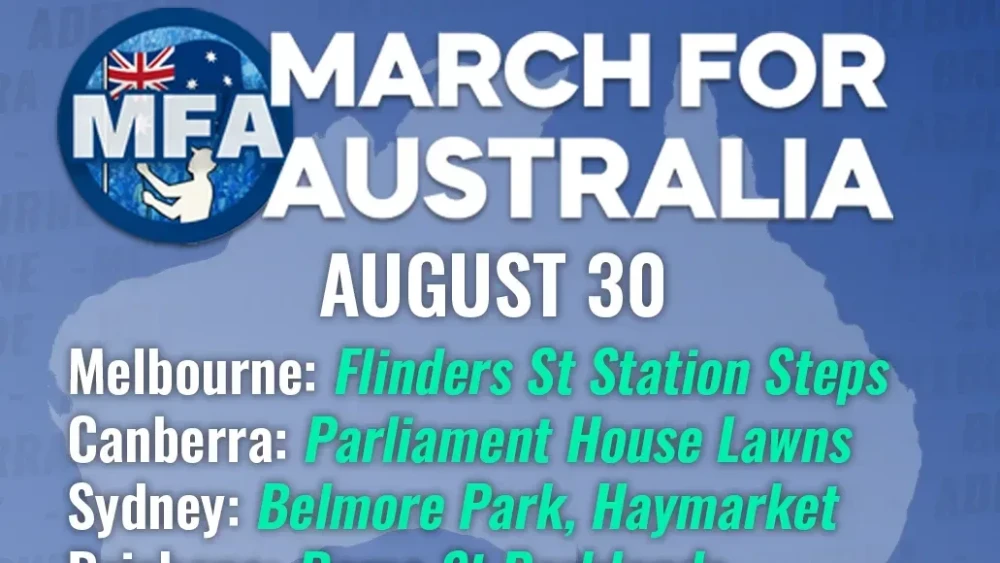
Free Speech Rally - March For Australia
For the first time, March for Australia is giving supporters the option to help cover the costs of organising our rallies.Until now, organisers have l...
Loading...

Support the Driver Legitimacy Summit
Help Drive Change.The Nashville TN Summit is around the corner.The momentum is building. The right people are coming to the table. Now we need your he...
Loading...
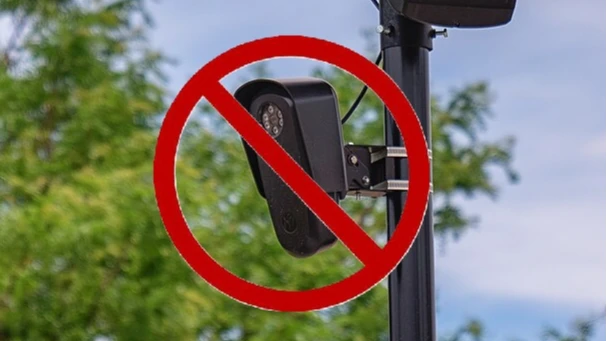
Evan Meyer Flock Legal Defense Fund
I was allegedly caught taking down a Flock surveillance camera from my neighborhood. This will help pay my legal expenses.After my arrest, I found thi...
Loading...
What this category is for
Some needs arrive because of something that just happened, whether that's a storm, a fire, a factory closing, an accident, or a legal case that pulls a family into the news. Fundraisers here are ordinary fundraisers with an urgent clock on them, and the same rules apply here as everywhere else on GiveSendGo. This page sets those rules out plainly, with no comment on any one case.
What can be raised for, and what can't
Nearly anything can be raised for here: medical bills, funerals and memorials, emergencies, family and personal needs, faith and ministry work, missions, education, community causes, and legal defense, including for difficult or controversial situations others turn away.
The list of what isn't allowed is short:
- Fundraisers that promote or glorify violence.
- Fundraisers that raise money for illegal activity.
- Fundraisers for abortion procedures, or for gender-transition surgeries for minors.
- Fundraisers that impersonate someone or mislead givers.
Every fundraiser also has to be transparent about how the funds will be used. GiveSendGo follows the laws of every country it works in, along with the rules of its payment partners, so a fundraiser can meet GiveSendGo's own guidelines and still not be one it can host or process. That's a real limit, and it's better to know before you start.
Legal defense fundraisers
Anyone can start a legal defense fundraiser on behalf of someone else. If the case involves violent or weapons-related charges, such as assault, reckless endangerment, weapons or firearm charges, domestic violence, or homicide, funds can't go to the creator or the defendant directly. A licensed US attorney or law firm actively on the case has to be named as the recipient.
Fundraisers for a US electoral candidate run in the Political Campaign category instead. That category asks each giver for more under FEC rules: occupation, employer, employer address, and residential address. GiveSendGo does not enforce the per-giver limits those rules set. That compliance stays with the creator.
Why a fundraiser gets paused, removed, or refunded
Before any funds transfer, the recipient completes identity verification and proves who they are. GiveSendGo's trust and safety team also checks that the recipient's relationship to the person being helped is appropriate, and that what the fundraiser says about itself is consistent and transparent. That verification runs through the payment partner, which makes it a standard financial-industry requirement, and it isn't waived for anyone. After that, GiveSendGo keeps watching for irregular or misleading activity, and any fundraiser can be put on hold for review.
A gift can also be refunded without the giver asking for it, and there are four documented reasons:
- The creator closed the fundraiser and returned every undistributed gift.
- The gift failed a review check.
- The giver disputed the charge with their bank.
- A Political Campaign fundraiser didn't meet a regulatory or verification requirement.
Anyone can report a fundraiser through Contact Us with the link and a specific description of the concern, and every report is reviewed against the Terms of Service by a real person. GiveSendGo doesn't share the outcome or give a timeline, and it doesn't act on outrage or popularity alone. How many people are upset about a fundraiser is not one of the inputs.
How giving here is protected
Every gift runs through a PCI Level 1 certified processor, the highest tier in the payments industry, which means third-party audits every year, regular scans for weak points, and monitoring that never stops. Card details are encrypted in transit and never stored on GiveSendGo's own servers, and the details GiveSendGo collects to run an account and send receipts are never sold or passed to anyone else.
Real GiveSendGo emails come only from @givesendgo.com or @givesendgo.info, and GiveSendGo has no partners who offer to boost a fundraiser's visibility for a fee. That matters most when a fundraiser is getting attention. If something claiming to be from GiveSendGo asks for financial details anywhere else, check with support before you act on it.
The fundraisers listed above are live right now. Back one of them
What it costs
GiveSendGo doesn't take a cut. There's no platform fee. What's deducted is the payment processor's fee: 2.7% + 30¢ per gift for US fundraisers, 3.5% + 30¢ outside the US. On a $100 gift to a US fundraiser, $97 reaches you.
| Gift | US (2.7% + 30¢) | Non-US (3.5% + 30¢) |
|---|---|---|
| $25 | $24.03 | $23.83 |
| $50 | $48.35 | $47.95 |
| $100 | $97.00 | $96.20 |
| $250 | $242.95 | $240.95 |
Your first gift becomes available 5 days after it's received, every gift after that on a rolling 3-day basis, and a requested transfer typically reaches the bank within 2 to 3 business days. The recipient must be 18 or older, live in the fundraiser's country, and have a bank account there. The recipient's country can't be changed after the fundraiser is created.
Common questions
What can someone fundraise for on GiveSendGo?
Nearly anything: medical bills, funerals and memorials, emergencies, family and personal needs, faith and ministry work, missions, education, community causes, and legal defense, including for controversial or difficult situations others turn away. The category doesn't affect how well a fundraiser can do, and it's editable later.
What isn't allowed on GiveSendGo?
Fundraisers that promote or glorify violence, raise money for illegal activity, raise money for abortion procedures or gender-transition surgeries for minors, or impersonate someone or mislead givers. Fundraisers also have to be transparent about how funds will be used.
Can a fundraiser that follows the rules still be turned down?
Yes, occasionally. GiveSendGo follows the laws of every country it works in and the rules of its payment partners, so a fundraiser can meet GiveSendGo's own guidelines and still not be one it can host or process.
Can someone raise money for legal defense?
Yes, and anyone can start one on behalf of someone else. If the case involves violent or weapons-related charges, such as assault, reckless endangerment, weapons or firearm charges, domestic violence, or homicide, the funds can't go to the creator or the defendant directly. A licensed US attorney or law firm actively on the case must be named as the recipient.
Can I fundraise for a political candidate?
Yes, through the Political Campaign category, for US electoral candidates only, federal or state office. That category requires extra giver fields under FEC rules: occupation, employer, employer address, and residential address. GiveSendGo does not enforce the per-giver limits those rules set. That compliance is the fundraiser creator's responsibility.
Will GiveSendGo remove a fundraiser because people are upset about it?
No. Every report is reviewed against the Terms of Service by a real person, and GiveSendGo doesn't act on outrage or popularity alone. It also doesn't share the outcome of a report or give a timeline for one.
Why would a gift be refunded when nobody asked for one?
There are four documented reasons: the creator closed the fundraiser and returned every undistributed gift, the gift failed a review check, the giver disputed the charge with their bank, or a Political Campaign fundraiser didn't meet a regulatory or verification requirement.
Is it safe to put card details into a fundraiser here?
Every gift runs through a PCI Level 1 certified processor, the highest tier in the payments industry, with third-party audits every year, regular scans for weak points, and monitoring that never stops. Card details are encrypted in transit and never stored on GiveSendGo's own servers, and the details GiveSendGo collects to run an account and send receipts are never sold or passed to anyone else. Real GiveSendGo email comes only from @givesendgo.com or @givesendgo.info, and GiveSendGo has no partners who offer to boost a fundraiser's visibility for a fee.
How do I report a fundraiser?
Contact Us with the fundraiser link and a specific description of your concern.
How does GiveSendGo check that a fundraiser is legitimate?
Before any funds transfer, the recipient completes identity verification and proves who they are. The trust and safety team also checks that the recipient's relationship to the person being helped is appropriate, and that what the fundraiser says about itself is consistent and transparent. Identity verification runs through the payment partner, which makes it a standard financial-industry requirement, and it isn't waived for anyone. After that, GiveSendGo keeps watching for irregular or misleading activity, and any fundraiser can be put on hold for review.
Are gifts to a fundraiser here tax-deductible?
Nothing given on GiveSendGo is tax-deductible unless it goes through GiveSendGo Charities, the 501(c)(3). That includes the Giver Army, which is Charities' recurring giving program. The one exception is a recipient that is itself a verified 501(c)(3). GiveSendGo itself is not a 501(c)(3), does not verify any recipient's tax status, and does not issue tax receipts for a personal fundraiser. When the recipient is a nonprofit, the receipt comes from them, not from us.
GiveSendGo
The place where help and hope go hand-in-hand.
