
Church Fundraisers
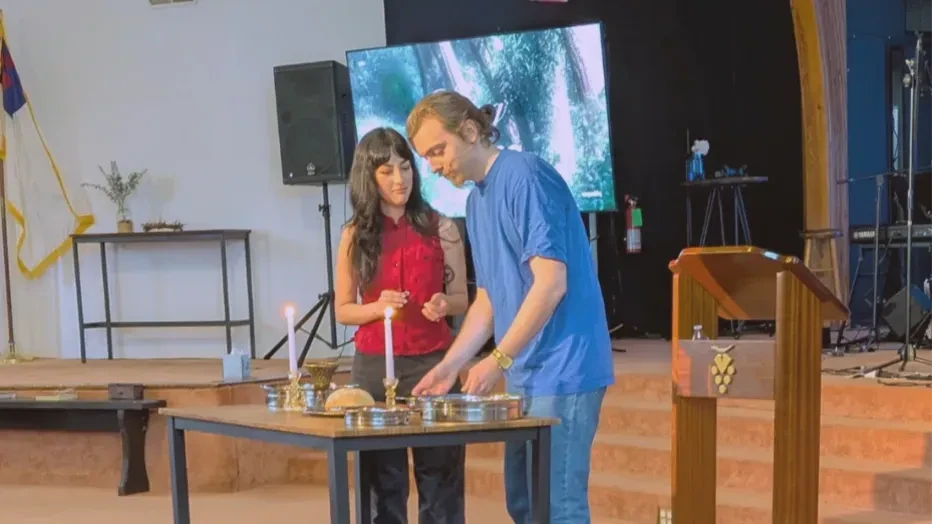
Help John and Andrea move to help a church plant!
John and Andrea have been married for about 16 months and have felt called to serve in ministry. They started a small Bible study in their townhome an...
Loading...

Seminary Formation: Answering God's Call
God has placed a strong desire in my heart to serve Him and the Church as a priest. But as I prepare to enter the seminary, I am facing a major hurdle...
Loading...

Help Us Bring InPower: Episode 2 to Life
The InPower Docu-Series reveals a powerful path toward personal sovereignty and genuine accountability. But this is more than a struggle against harmf...
Loading...

Free Fort Johnson Baptist Church's Debt From Fire
On September 9, 2021, lightning struck the steeple of Fort Johnson Baptist Church during a storm, and the fire that followed destroyed the sanctuary d...
Loading...

Help to buy land for a church in Uganda
I have known Godfrey Nshekanabo for about a year now. We met though some online classes that we took through a ministry called Grace Evangelical Socie...
Loading...

Support Luke's Formation with the FSSP!
I have a strong desire to serve God and give my life to the Church. As a way of pursuing this desire, I have applied for admission and have been accep...
Loading...

Worship Encounter
Worship Encounter is a yearly Christian gathering organized by The Breaking of Bread International Ministry to bring believers together into a deeper...
Loading...

Ethans BSSM Journey: Off to Redding for Training!
Hey friends and family!As many of you know, I've had it in my heart for a&n...
Loading...
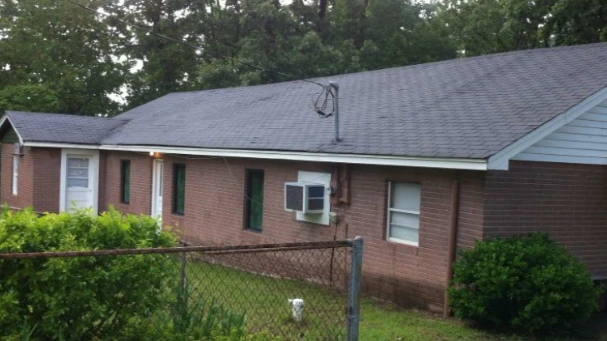
Air Conditioner Fundraiser for Gentry Chapel
Our small country church is operating on a shoestring budget. We are responsible for cutting and maintaining a church cemetery that has emptied our em...
Loading...

Āgenskalns Methodist Church Winter Heating
Āgenskalns Methodist Church is a small, vibrant, and welcoming community in Riga's Pārdaugava district. We have recently celebrated becoming an autono...
Loading...
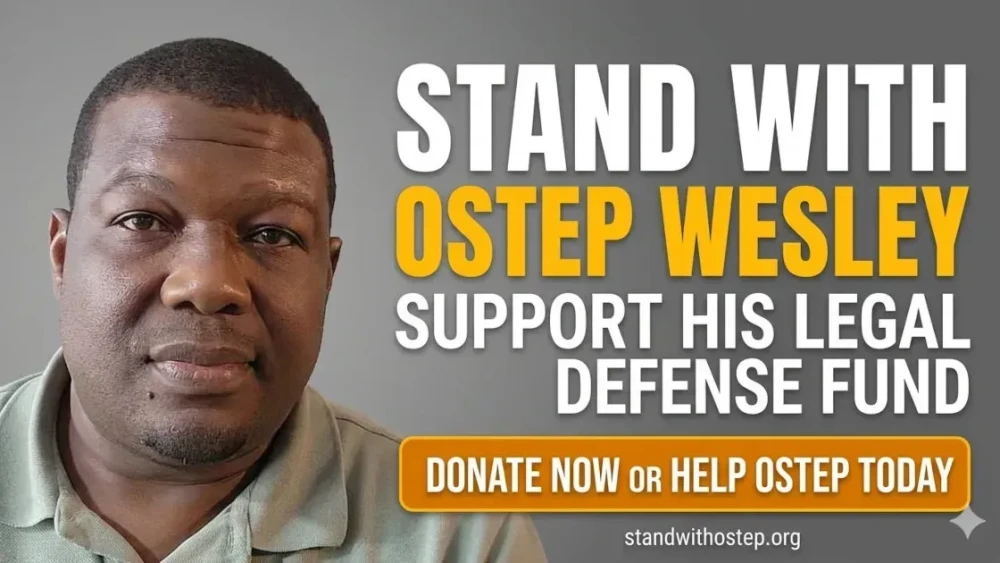
Help Ostep Fight to Stay in the U.S.
Help Ostep Wesley Fight for His FutureOstep Wesley has called the United States home since approximately 2013. He came to this country legally and has...
Loading...
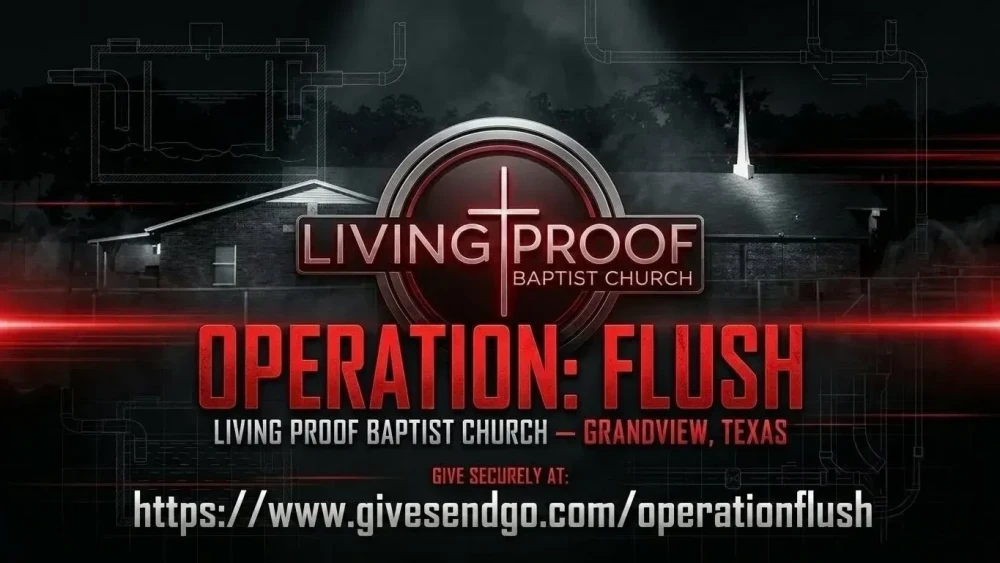
OPERATION FLUSH: Living Proof Baptist, Septic Work
My name is Cole Mayo, pastor of Living Proof Baptist Church in Grandview, Texas. Our septic system, including the aeration unit, is failing and needs...
Loading...
What churches raise for here
Plenty of what gets raised here is the building itself, whether that's a cracked foundation wall, an HVAC unit that quit in January, a lease deposit on a first public space, or land for a sanctuary the congregation plans to pay for without debt. Just as much of it never touches the building. A church plant covers a monthly operating gap while it finds its footing, and a congregant opens a fund for the pastor's twentieth anniversary. A youth leader collects camp deposits for four students and routes them straight to the church's own finance office. A seminary student raises tuition with his home church behind him. None of it needs nonprofit status or an EIN, because anyone can start a fundraiser.
How to raise money for a church
The mechanics don't change whether you're patching a roof or launching a congregation, so here is the whole path in the order you'll meet it.
- Log in, open My Fundraisers, and click Start a GiveSendGo. Pick the recipient's country first, since it's locked once the fundraiser exists and it decides which bank accounts can receive the money.
- Set a goal, choose the Church category, and write your title and story. If the writing is the part you're dreading, MICA, GiveSendGo's AI writing assistant, will draft a story from a short description you can edit.
- Add a photo or a short video, then publish.
- Add the recipient. For a church that means the Business bank-account type, the church's legal name, and the church's own bank details.
- Share it where your people already are: the bulletin, the pulpit, the group text, and the church's own social accounts.
What it costs your church
GiveSendGo doesn't take a cut. There's no platform fee. What's deducted is the payment processor's fee: 2.7% + 30¢ per gift for US fundraisers, 3.5% + 30¢ outside the US. On a $100 gift to a US fundraiser, $97 reaches you. A $50 gift lands at $48.35, and a $250 gift at $242.95.
There's one setting to know about before a board member asks. When you create the fundraiser you can set a percentage of what you raise to go to GiveSendGo. If you set it, that amount is added on top of each gift and shown to your givers at checkout, and some read it as a platform fee. It's editable anytime in your fundraiser's Settings. A fundraiser that isn't in US dollars can also pick up a currency-exchange fee set by the payment processor.
When the money reaches the church's account
The church itself can be the recipient. Whoever completes the recipient form chooses the Business bank-account type and enters the church's legal name and the church's own bank details, so funds land in the church's account rather than a personal one. That person still has to be an authorized adult, 18 or older, living in the fundraiser's country, with a government-issued photo ID, and they complete identity verification before any transfer. A real person always stands behind the organization.
Your first gift becomes available 5 days after it's received. Every gift after that becomes available on a rolling 3-day basis. Once you request a transfer, it typically lands in your bank within 2 to 3 business days. Request transfers from the Transfers tab whenever funds are available, or set them to go out weekly, bi-weekly, or monthly.
Two details save a treasurer a phone call. A manual transfer sends your entire available balance and you wait 24 hours after one is approved before requesting the next, so when a transfer looks light it's usually because recent gifts are still inside the 3-day window. US recipients should also connect a checking account rather than savings, because transfers go out as checking transactions and a savings account can be rejected by the bank.
What your congregation and your board will see
Creator and recipient names always show on the page. If your leadership would rather not put a running total in front of the whole internet, set the fundraiser to private, and it stays out of GiveSendGo search results and category listings so that only the people you send the link to will find it. Your name still shows to anyone who opens it. Givers get a setting of their own. Any of them can hide their name from public view and appear as an Anonymous Giver, and you still see who they are in your Donations tab, so you can thank them properly.
What the church fundraisers that get funded have in common
Public or private, the ones that reach their number do the same handful of ordinary things.
- Name a goal the congregation will read as realistic.
- Break the cost down line by line, because a congregation reading a five-figure number wants to see what it buys.
- Ask directly, in a clear story, with strong photos or a short personal video.
- Post updates while people are still giving, not only once it's over.
- If the plan runs in phases, say which phase this is. Creators who are honest that this is the first of three raises never have to explain later why the number moved.
If you opt in when you add your phone number, someone from GiveSendGo can call and pray with you. And if you came here to give rather than organize, every fundraiser listed above belongs to a named congregation with a specific need.
Common questions
How do I raise money for my church online?
Start a fundraiser, name the need and the number, and add the church as the recipient. In practice that means: log in, click Start a GiveSendGo, pick the recipient's country (locked once you create it), set a goal, choose the Church category, write your title and story, add a photo or video, and publish. Then add the recipient. For a church, that's the Business bank-account type with the church's legal name and bank details, completed by an authorized adult who verifies their identity. GiveSendGo charges no platform fee, so what's deducted is the payment processor's 2.7% + 30¢ per gift in the US, 3.5% + 30¢ outside it.
Can the church itself receive the money, or does it have to go to a person?
The church can receive it. The recipient form has a Business bank-account type, which takes the legal business name plus the business's own bank details, so transfers go to the church's account. But an authorized human representative still stands behind it: 18 or older, living in the fundraiser's country, with a government-issued photo ID, a tax ID in that country, a phone number, and a residential address. That person completes identity verification before any funds move.
Are donations to a church fundraiser tax-deductible?
Nothing given on GiveSendGo is tax-deductible unless it goes through GiveSendGo Charities, the 501(c)(3). That includes the Giver Army, which is Charities' recurring giving program. The one exception is a recipient that is itself a verified 501(c)(3). GiveSendGo itself is not a 501(c)(3), does not verify any recipient's tax status, and does not issue tax receipts for a personal fundraiser. When the recipient is a nonprofit, the receipt comes from them, not from us.
If your church is a verified 501(c)(3), say so yourself: state your status, your legal name, and your EIN in the fundraiser story and in a custom thank-you message. The official GiveSendGo donation receipt can't be edited to add it.
Do we need 501(c)(3) status or an EIN to start?
No. Anyone can start a fundraiser. A church plant with no incorporation yet can raise money the same day a hundred-year-old parish can.
How fast can a church raise money for an urgent repair?
You can publish the fundraiser and start receiving gifts immediately. Getting the money out takes a little longer, and the timeline is worth knowing before you promise a contractor anything. Verification review starts once the recipient has uploaded ID and the fundraiser has received its first donation, whichever comes later, and typically completes in 1 to 2 business days after that. Your first gift becomes available 5 days after it's received, then every gift after that on a rolling 3-day basis. Once you request a transfer, it typically lands in your bank in 2 to 3 business days.
How do churches fundraise online effectively?
It comes down to six key elements: a realistic goal, a specific breakdown of what the money covers, a clear personal story with a direct ask, strong photos or a short personal video, regular updates, and consistent sharing rather than a single announcement. For a church that usually means the bulletin, the pulpit, the group text, and the church's own social accounts. A fundraiser page reaches the people you send it to.
How do I raise money for a church building fund?
The same way as any other fundraiser here, with two things worth doing deliberately. If the plan runs in phases, name the phase you're raising for and say so. Creators who are honest that this is the first of three raises don't have to explain later why the number moved. And break the cost down line by line, because a congregation reading a five-figure goal wants to see what it buys. The recipient's country is locked at creation, so if your church's bank account is in a different country than you first selected, you'd have to start over with the correct one.
Can we keep the fundraiser out of public search?
Yes. Set it to private and it won't appear in GiveSendGo search results or category listings; only someone with the direct link can open it. Creator and recipient names still show on the page itself. GiveSendGo is a public platform and a fully anonymous fundraiser isn't possible.
A published, public fundraiser can take up to 48 hours to appear in GiveSendGo search, and it appears in its category listing once it has been published for 5 days and raised $100 USD or equivalent in online donations. Offline donations don't count toward that.
Can churches use PayPal for online giving here?
Givers can give by credit or debit card, bank transfer directly from their bank, Google Pay where it's available, and Link, the one-click checkout tied to a saved Link account. PayPal isn't one of the supported methods. Givers can also choose a single donation or a monthly subscription at checkout.
What does GiveSendGo actually check before money moves?
Before any transfer, the recipient completes identity verification, and the trust and safety team checks that the recipient's relationship to the person or body receiving help is appropriate and that the fundraiser's information is consistent and transparent. After that, ongoing monitoring watches for irregular activity, and any fundraiser can be placed on hold for review. Identity verification is a standard financial-industry requirement and isn't waived for anyone.
GiveSendGo
The place where help and hope go hand-in-hand.
