
Blog
Be a Scrooge!: What “A Christmas Carol” Taught Me About Being a Giver In Life
Posted by Alex Shipley on Dec 23, 2025
“Don’t Be a Scrooge!”
We hear this phrase often during the Christmas season—and for good reason. Ebenezer Scrooge begins Dickens’ classic tale as the definition of miserly: sharp-tongued, closed-off, and cold-hearted. To him, Christmas is nothing more than “another excuse to pick a man’s pocket every 25th of December.” Hardly the image of joy or goodwill.
But here’s the surprising twist: by the end of A Christmas Carol, Scrooge becomes someone worth imitating.
Not the bitter, isolated man he once was—but the transformed one. The Scrooge who discovers joy, generosity, and a completely new way of living. In fact, Dickens’ story may be one of the most compelling illustrations of what it truly means to become a giver in life.
Because generosity isn’t just about money.
It’s about living open-handed in a closed-fist world—offering your time, your attention, your compassion, and your resources because your heart has been changed.
Here are five lessons Scrooge teaches us about becoming a giver—not just at Christmas, but for a lifetime.
At the beginning of the story, Scrooge is utterly alone. He has pushed everyone away—his nephew, his former fiancée, even his loyal employee. The only “relationship” he maintains is with a long-dead business partner, and even that one returns only to warn him.
Contrast that isolation with the joy of the Fezziwigs or the warmth of the Cratchit home. These families are not wealthy by any worldly measure, yet they are rich in something Scrooge lacks: shared joy, hospitality, and love. People want to be around them because they live generously—with their laughter, their tables, and their time.
Jesus modeled this kind of life as well. He didn’t hold Himself apart in status or power. He ate with sinners, lingered with the overlooked, and welcomed people others ignored. Scripture reminds us, “We love because He first loved us” (1 John 4:19). When we live generously, we gain something far more valuable than money—we gain one another.
By the end of the story, Scrooge becomes the kind of man who is welcomed in—into his nephew’s home, into the Cratchits’ family, and even into new friendships—not because of what he gives, but because of who he has become.
Then there’s Tiny Tim.
There’s something about that gentle, fragile child that softens even Scrooge’s hardened heart. Tim’s quiet hope—his simple, sincere “God bless us, every one”—marks a turning point. And when the Ghost of Christmas Yet to Come reveals a future where Tiny Tim dies unless something changes, Scrooge is finally confronted with a sobering truth: his inaction has life altering consequences.
Scripture echoes this reality: “Whoever is generous to the poor lends to the Lord, and He will repay him for his deed” (Proverbs 19:17). Our generosity is never abstract. It feeds the hungry. It sustains families. It offers hope where despair once lived.
Scrooge’s transformation doesn’t just warm his own heart—it saves Tiny Tim’s life. Generosity, both practical and spiritual, can truly be the difference between life and death for someone else.
Scrooge’s redemption isn’t only about what he gives to others—it’s about what he himself receives.
The man who once trudged through life burdened by bitterness is suddenly laughing in the streets. He buys the fattest turkey he can find, surprises Bob Cratchit with a raise, and becomes like a second father to Tiny Tim. He doesn’t just exist anymore—he lives.
It brings to mind Jesus’ words in John 10:10: “I have come that they may have life, and have it to the full.” Scrooge is pierced to the soul and finally awakened to the life he was always meant to live. His generosity is no longer reluctant or obligatory; it overflows with joy. He gives not because he must, but because he has received so much.
That is what generosity does. It pulls us out of our instinctive urge to guard our resources—out of our survival mode—and invites us into a life marked by joy, compassion, connection, and purpose.
I often wonder what a sequel to A Christmas Carol would look like.
I imagine Tiny Tim growing into a generous, compassionate man—one who tells his children about the unlikely friend whose changed heart helped save his life. Scrooge’s transformation didn’t just alter one Christmas or one family; it likely reshaped an entire legacy.
That’s the power of a transformed life. It echoes.
Scripture is filled with stories like this. Paul, once a persecutor of Christians, encounters Jesus and becomes one of the Church’s greatest witnesses. The blind man in John 9 simply declares, “I was blind, and now I see”—and his testimony is one we still sing about today. When God changes a heart, the impact is never contained to just one moment or one person. It ripples outward in ways we often can’t see at the time.
When we live with open hands—offering our resources, our time, and our love—we set something in motion that often outlives us. Our children notice. Our communities feel it. And future generations are shaped by it.
Scrooge’s earlier life was marked by loss. He lost his sister. He lost his fiancée. He allowed fear and bitterness to build walls around his heart.
Transformation doesn’t erase those wounds—but it does bring healing. Scrooge remembers. He grieves. And then he chooses a different way forward.
The same is true for us. Generosity doesn’t undo the past, but it creates space for redemption in the present. It opens doors to reconciliation and restores hope where pain once ruled.
Scripture reminds us, “The Lord is close to the brokenhearted and saves those who are crushed in spirit” (Psalm 34:18). Often, God uses our generosity—our presence, our giving, our love—as part of that healing work.
If we’re talking about the man at the end of the story—the one laughing freely, giving generously, and loving deeply—then yes. Be a Scrooge.
Be the kind of person who wakes up and says, “It’s not too late. I can change. I can give. I can love.”
Because A Christmas Carol isn’t really about ghosts or even Christmas magic. It’s a story of redemption. A reminder that no heart is too hard, no past too broken, and no life too far gone to be transformed.
It’s about receiving grace—and letting that grace turn us into givers in life.
Just like Scrooge.
And if you’re wondering where to start, consider joining the Giver Army. It’s a community of people choosing to live with open hands, giving as little as $5 a month to meet real needs for real people around the world.
You simply choose a cause, set the amount, and your generosity runs on autopilot throughout 2026—quietly making a difference long after you sign up. And along the way, you’ll receive impact reports filled with stories and testimonies that remind you: your giving is changing real lives.
Join the Giver Army now!
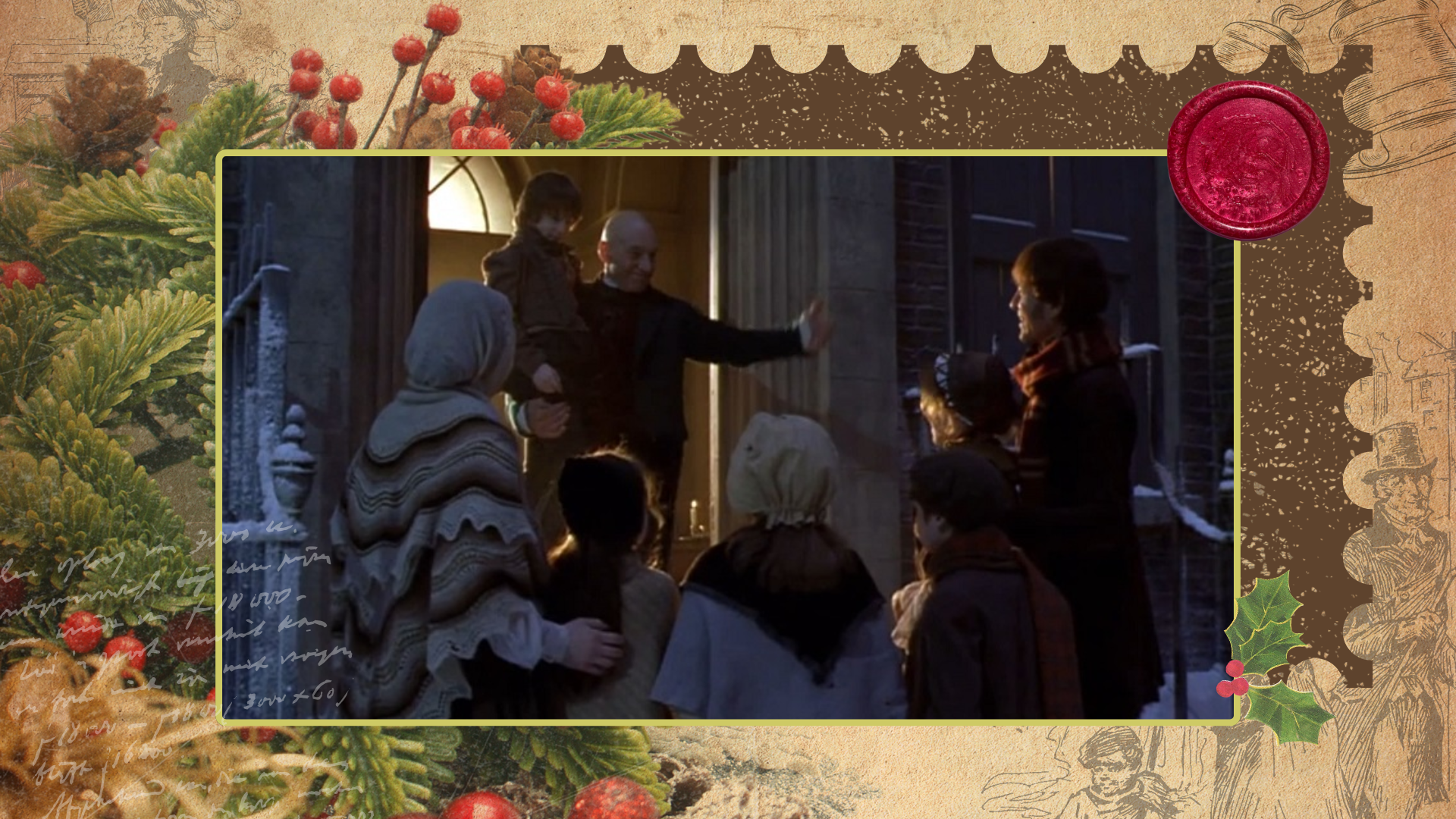
Blog header still from A Christmas Carol (1999), a television adaptation of Charles Dickens’ classic starring Patrick Stewart as Ebenezer Scrooge. © 1999 TNT Productions / Hallmark Entertainment
We hear this phrase often during the Christmas season—and for good reason. Ebenezer Scrooge begins Dickens’ classic tale as the definition of miserly: sharp-tongued, closed-off, and cold-hearted. To him, Christmas is nothing more than “another excuse to pick a man’s pocket every 25th of December.” Hardly the image of joy or goodwill.
But here’s the surprising twist: by the end of A Christmas Carol, Scrooge becomes someone worth imitating.
Not the bitter, isolated man he once was—but the transformed one. The Scrooge who discovers joy, generosity, and a completely new way of living. In fact, Dickens’ story may be one of the most compelling illustrations of what it truly means to become a giver in life.
Because generosity isn’t just about money.
It’s about living open-handed in a closed-fist world—offering your time, your attention, your compassion, and your resources because your heart has been changed.
Here are five lessons Scrooge teaches us about becoming a giver—not just at Christmas, but for a lifetime.
1. Being a Giver in Life Draws You Into Community
At the beginning of the story, Scrooge is utterly alone. He has pushed everyone away—his nephew, his former fiancée, even his loyal employee. The only “relationship” he maintains is with a long-dead business partner, and even that one returns only to warn him.
Contrast that isolation with the joy of the Fezziwigs or the warmth of the Cratchit home. These families are not wealthy by any worldly measure, yet they are rich in something Scrooge lacks: shared joy, hospitality, and love. People want to be around them because they live generously—with their laughter, their tables, and their time.
Jesus modeled this kind of life as well. He didn’t hold Himself apart in status or power. He ate with sinners, lingered with the overlooked, and welcomed people others ignored. Scripture reminds us, “We love because He first loved us” (1 John 4:19). When we live generously, we gain something far more valuable than money—we gain one another.
By the end of the story, Scrooge becomes the kind of man who is welcomed in—into his nephew’s home, into the Cratchits’ family, and even into new friendships—not because of what he gives, but because of who he has become.
2. Being a Giver in Life Can Literally Change Lives
Then there’s Tiny Tim.
There’s something about that gentle, fragile child that softens even Scrooge’s hardened heart. Tim’s quiet hope—his simple, sincere “God bless us, every one”—marks a turning point. And when the Ghost of Christmas Yet to Come reveals a future where Tiny Tim dies unless something changes, Scrooge is finally confronted with a sobering truth: his inaction has life altering consequences.
Scripture echoes this reality: “Whoever is generous to the poor lends to the Lord, and He will repay him for his deed” (Proverbs 19:17). Our generosity is never abstract. It feeds the hungry. It sustains families. It offers hope where despair once lived.
Scrooge’s transformation doesn’t just warm his own heart—it saves Tiny Tim’s life. Generosity, both practical and spiritual, can truly be the difference between life and death for someone else.
3. Being a Giver in Life Brings You Back to Life
Scrooge’s redemption isn’t only about what he gives to others—it’s about what he himself receives.
The man who once trudged through life burdened by bitterness is suddenly laughing in the streets. He buys the fattest turkey he can find, surprises Bob Cratchit with a raise, and becomes like a second father to Tiny Tim. He doesn’t just exist anymore—he lives.
It brings to mind Jesus’ words in John 10:10: “I have come that they may have life, and have it to the full.” Scrooge is pierced to the soul and finally awakened to the life he was always meant to live. His generosity is no longer reluctant or obligatory; it overflows with joy. He gives not because he must, but because he has received so much.
That is what generosity does. It pulls us out of our instinctive urge to guard our resources—out of our survival mode—and invites us into a life marked by joy, compassion, connection, and purpose.
4. Being a Giver in Life Affects Generations
I often wonder what a sequel to A Christmas Carol would look like.
I imagine Tiny Tim growing into a generous, compassionate man—one who tells his children about the unlikely friend whose changed heart helped save his life. Scrooge’s transformation didn’t just alter one Christmas or one family; it likely reshaped an entire legacy.
That’s the power of a transformed life. It echoes.
Scripture is filled with stories like this. Paul, once a persecutor of Christians, encounters Jesus and becomes one of the Church’s greatest witnesses. The blind man in John 9 simply declares, “I was blind, and now I see”—and his testimony is one we still sing about today. When God changes a heart, the impact is never contained to just one moment or one person. It ripples outward in ways we often can’t see at the time.
When we live with open hands—offering our resources, our time, and our love—we set something in motion that often outlives us. Our children notice. Our communities feel it. And future generations are shaped by it.
5. Being a Giver in Life Brings Healing
Scrooge’s earlier life was marked by loss. He lost his sister. He lost his fiancée. He allowed fear and bitterness to build walls around his heart.
Transformation doesn’t erase those wounds—but it does bring healing. Scrooge remembers. He grieves. And then he chooses a different way forward.
The same is true for us. Generosity doesn’t undo the past, but it creates space for redemption in the present. It opens doors to reconciliation and restores hope where pain once ruled.
Scripture reminds us, “The Lord is close to the brokenhearted and saves those who are crushed in spirit” (Psalm 34:18). Often, God uses our generosity—our presence, our giving, our love—as part of that healing work.
So… Should We All Be a Scrooge?
If we’re talking about the man at the end of the story—the one laughing freely, giving generously, and loving deeply—then yes. Be a Scrooge.
Be the kind of person who wakes up and says, “It’s not too late. I can change. I can give. I can love.”
Because A Christmas Carol isn’t really about ghosts or even Christmas magic. It’s a story of redemption. A reminder that no heart is too hard, no past too broken, and no life too far gone to be transformed.
It’s about receiving grace—and letting that grace turn us into givers in life.
Just like Scrooge.
And if you’re wondering where to start, consider joining the Giver Army. It’s a community of people choosing to live with open hands, giving as little as $5 a month to meet real needs for real people around the world.
You simply choose a cause, set the amount, and your generosity runs on autopilot throughout 2026—quietly making a difference long after you sign up. And along the way, you’ll receive impact reports filled with stories and testimonies that remind you: your giving is changing real lives.
Join the Giver Army now!
Blog header still from A Christmas Carol (1999), a television adaptation of Charles Dickens’ classic starring Patrick Stewart as Ebenezer Scrooge. © 1999 TNT Productions / Hallmark Entertainment
Comments
There are no comments yet. Be the first to add a comment below!
Leave a Comment
Fields with * are requiredGiveSendGo
The place where help and hope go hand-in-hand.
