
Blog
How to Share Your GiveSendGo Campaign Without Social Media
Posted by Alex Shipley on Jan 24, 2026
Not everyone loves social media.
Some people are wary of it. Some are taking a break. Others don’t have it at all.
And here’s the good news: you don’t need social media to successfully share your GiveSendGo campaign.
In fact, some of the most effective ways to spread the word have nothing to do with algorithms, likes, or posting schedules.
Whether you want to expand your reach beyond social media—or avoid it entirely—there are plenty of meaningful, personal, and powerful ways to invite others into your story.
Your campaign exists because there’s a real need. But people can’t help with something they don’t know about.
Sharing isn’t about pressure or self-promotion—it’s about inviting others to be part of something meaningful. When you tell your story, you give people an opportunity to care, to give, and to help carry the load with you.
This is hands-down one of the most powerful ways to share your campaign.
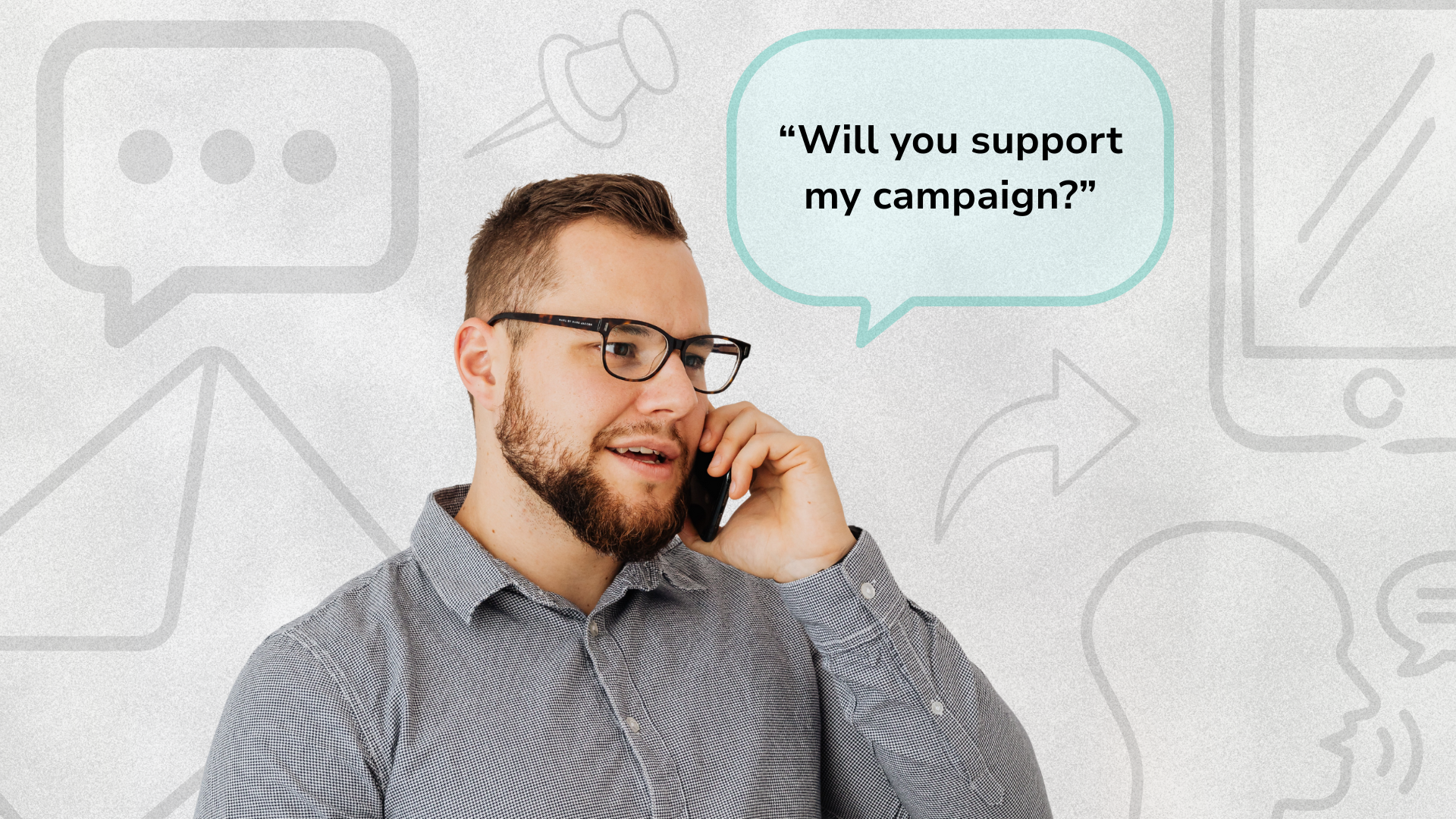
A personal text or phone call cuts through the noise in a way social media never can. When people hear directly from you, they’re far more likely to listen, care, and respond.
How to do it:
“Hey, I wanted to share something personal with you. We started a GiveSendGo to help with ____. It would mean so much if you’d take a look—and if you’re able, give, pray, or share it with anyone you think might care.”
Why it works:
Churches are built on community—and many people want to help but don’t know where to start.
Practical ways to share:
Email is still one of the most reliable ways to reach people, especially those who aren’t active on social media.
How to do it:
Many local groups are eager to support people in their community.
Consider contacting:
Local media often highlights stories that matter close to home.
How to start:
Even a small feature or mention can introduce your campaign to people who truly care.
Sometimes old-school still works.
Where to post:
If sharing feels overwhelming, you don’t have to do it alone.
Ask a trusted friend or family member to help spread the word—by emailing their network, sharing at church, or reaching out to people you don’t know personally.
Successful campaigns don’t come from having the most followers. They come from people sharing honestly and consistently, asking boldly, and trusting others to respond with generosity.
Start small. Be personal. Invite others in.
Every message sent, every conversation had, every person who shares your campaign helps carry the story farther than you ever could alone.
And sometimes, the simplest approach—one conversation at a time—is the one that makes the biggest difference.
Some people are wary of it. Some are taking a break. Others don’t have it at all.
And here’s the good news: you don’t need social media to successfully share your GiveSendGo campaign.
In fact, some of the most effective ways to spread the word have nothing to do with algorithms, likes, or posting schedules.
Whether you want to expand your reach beyond social media—or avoid it entirely—there are plenty of meaningful, personal, and powerful ways to invite others into your story.
Why Sharing Still Matters
Your campaign exists because there’s a real need. But people can’t help with something they don’t know about.
Sharing isn’t about pressure or self-promotion—it’s about inviting others to be part of something meaningful. When you tell your story, you give people an opportunity to care, to give, and to help carry the load with you.
1. Start With Direct Texts and Phone Calls (The Most Effective Way)
This is hands-down one of the most powerful ways to share your campaign.
A personal text or phone call cuts through the noise in a way social media never can. When people hear directly from you, they’re far more likely to listen, care, and respond.
How to do it:
- Make a short list of close friends, family members, and trusted contacts
- Send a simple, honest message explaining:
- What’s happening and why you started a campaign
- Why it matters
- How they can help
“Hey, I wanted to share something personal with you. We started a GiveSendGo to help with ____. It would mean so much if you’d take a look—and if you’re able, give, pray, or share it with anyone you think might care.”
Why it works:
- Word-of-mouth is one of the most trusted forms of communication
- People are more likely to give when the request comes from someone they know
- Asking others to share your campaign helps it spread far beyond your own circle
2. Share Through Your Church Community
Churches are built on community—and many people want to help but don’t know where to start.
Practical ways to share:
- Ask your pastor or church office if your campaign can be:
- Included in the weekly email
- Mentioned during announcements
- Shared in a prayer list
- Post it on church bulletin boards or in printed bulletins
- Share it in small groups, Bible studies, or ministry teams
- People already trust one another
- Needs shared within community often receive strong support
- It invites people to live out generosity together
3. Use Email (Simple, Personal, Effective)
Email is still one of the most reliable ways to reach people, especially those who aren’t active on social media.
How to do it:
- Send a personal email to friends, extended family, coworkers, or supporters
- Keep it short and heartfelt:
- Share your story
- Include your GiveSendGo link
- Invite them to share it with others
4. Reach Out to Local Organizations
Many local groups are eager to support people in their community.
Consider contacting:
- Community centers
- Nonprofits or service organizations
- Parent groups or school communities
- Veteran organizations or support groups
5. Try Local Newspapers or Community Newsletters
Local media often highlights stories that matter close to home.
How to start:
- Contact your local newspaper or community newsletter
- Share a short summary of your situation and your campaign
- Emphasize the human side of the story
Even a small feature or mention can introduce your campaign to people who truly care.
6. Post Flyers or Use Community Bulletin Boards
Sometimes old-school still works.
Where to post:
- Libraries
- Coffee shops
- Community centers
- Grocery store bulletin boards
- A short description
- A QR code or short link to your GiveSendGo campaign
7. Ask One Person to Help You Share
If sharing feels overwhelming, you don’t have to do it alone.
Ask a trusted friend or family member to help spread the word—by emailing their network, sharing at church, or reaching out to people you don’t know personally.
You Don’t Need a Big Platform
Successful campaigns don’t come from having the most followers. They come from people sharing honestly and consistently, asking boldly, and trusting others to respond with generosity.
Start small. Be personal. Invite others in.
Every message sent, every conversation had, every person who shares your campaign helps carry the story farther than you ever could alone.
And sometimes, the simplest approach—one conversation at a time—is the one that makes the biggest difference.
Comments
There are no comments yet. Be the first to add a comment below!
Leave a Comment
Fields with * are requiredGiveSendGo
The place where help and hope go hand-in-hand.
