
Blog
 GiveSendGo News
Mount Ararat and Noah's Ark: What the Bible Actually Says
Posted by Alex Shipley. Interview by Elijah Snider. on Aug 22, 2026
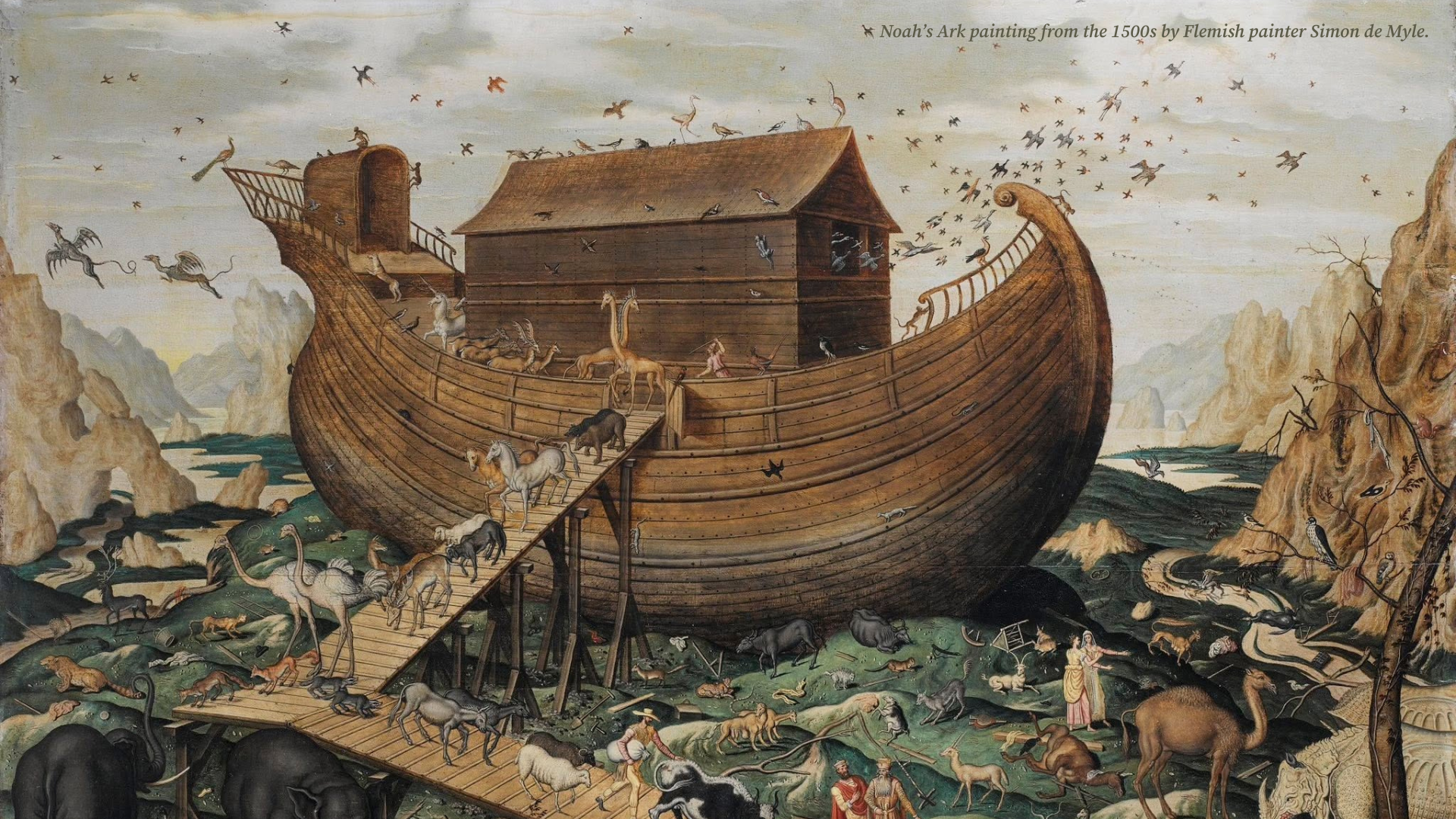
Ask anyone who grew up in church what Bible story they remember first, and a lot of them will say Noah's Ark. They can walk you through most of it: God tells Noah to build the ark, the animals come two by two, the rains fall for forty days and forty nights, and a dove finally returns with an olive leaf. We remember the ark landing somewhere, but then the story tends to trail off in our memory. So what actually happened to the ark, and where is it now? Some might also vaguely remember it coming to rest on a snow-capped mountain called Mount Ararat. That single peak is on Sunday school walls, in kids' Bibles, and in plenty of secular reference books. But the text itself points somewhere broader, and getting it right changes how you think about every search that's ever gone looking. Before any expedition, any drone footage, any debate about a boat-shaped formation in eastern Turkey, it's worth going back to the text. One of those searches is happening right now. A team led by Noah's Ark Scans is running the most in-depth study the site has seen, and it's funded by the public. To help fund "The Search for Noah's Ark," click here. GiveSendGo is a partner in this fundraiser. What Genesis Actually Says The verse everyone's thinking of is short. In the NIV, Genesis 8:4 reads simply that the ark came to rest "on the mountains of Ararat." Mountains. Plural. Not a single named peak, but a mountain range, or more precisely, a region. Genesis never says "Mount Ararat" the way we'd point to it on a map today. It names a place called Ararat and says the ark landed somewhere in its mountains. That distinction matters more than it may seem, because "Ararat" in the Bible isn't describing a mountain at all. It's describing a kingdom. Ararat the Kingdom, Not Ararat the Peak In the ancient world, "Ararat" wasn't a mountain at all.It was a kingdom. And it shows up in the Old Testament as a real, named place: 2 Kings 19:37 and Isaiah 37:38 both mention the "land of Ararat" as somewhere people flee to, and Jeremiah 51:27 lists it alongside other regional kingdoms being called to war. This was a real place in the ancient world, documented well beyond the Bible, not a mythic backdrop. It's the same point the researchers now working at the Durupinar site make about their own location. As Andrew Jones, founder and lead researcher at Noah's Ark Scans, put it: "The name Ararat actually comes from this word Urartu, which was the name of an ancient kingdom that was over this whole area... their territory covered into Armenia, Iran, and of course a large part of eastern Turkey where we're at." In his words, that puts the site "in the right location. The mountains of Ararat, the mountains of Urartu, covers this area." The single, snow-capped peak we call Mount Ararat today, 16,854 feet and Turkey's tallest mountain, wasn't identified with the biblical Ararat until centuries later, largely through medieval Christian and Armenian tradition. It became "the" mountain because it's the tallest, most visible landmark in the region the Bible names, not because Genesis singles it out by name. There's nothing wrong with how that tradition developed. Genesis points to a region, and over the centuries people understandably fixed their attention on its most dramatic peak. The text just leaves far more room than the postcard image suggests. What the Locals Have Long Called It One detail that rarely makes it into the debate is what the people who live near the Durupinar site have called the area for generations. Jones points to a cluster of local names that line up, in striking ways, with the flood account. There's a nearby valley whose name translates roughly to "eight," which locals tie to the eight people the Bible says were aboard the ark. There's a ridge connected to the story of the raven Noah released. And the site itself is known to many in the region by a name long associated with the ark's landing place in local tradition. None of that is proof. Place names travel and shift, and traditions grow up around famous sites. But it's a reminder that this formation didn't become interesting in 1959 when an aerial photo made the news. For the people living in its shadow, it has carried the story for a very long time. (For the full story of the site and its discovery, see What Is the Durupinar Formation?) Could the Ark Even Be on the Modern Peak? There's a further wrinkle that goes beyond the text, worth noting because so many searches have focused on the famous summit. The researchers studying the Durupinar formation argue that Mount Ararat itself is the wrong place to look, on geological grounds. Their reasoning: Mount Ararat is a stratovolcano, the kind of cone-shaped peak built up over time by repeated eruptions. Jones points to the sedimentary layers beneath it, laid down by water, and the lava beds at its base as evidence of when it formed. "All the evidence shows that this mountain was formed after the flood," he says, "which means it wasn't even around for Noah's Ark to land on." That's his argument, not a settled scientific consensus, and geologists differ on the mountain's history. But it reframes the question in a useful way: if the biblical text points to a region rather than a peak, and the most famous peak may not have existed yet when the flood receded, then the search was never really about climbing Mount Ararat in the first place. Why This Matters for the Durupinar Site This is exactly why a formation roughly nineteen miles south of the traditional Mount Ararat peak, the Durupinar site, is still a fair candidate under Genesis's own wording, not a stretch from it. The text doesn't require the ark to be found on the specific mountain later tradition named. It requires the ark to be somewhere in the mountains of Ararat, a region that includes far more ground than one peak. The Durupinar formation sits within that broader region: a boat-shaped ridge close to the length Genesis gives for the ark. Genesis 6:15 records the ark's dimensions as 300 cubits long, which the researchers at the site put at roughly 515 feet, though the exact figure depends on which ancient cubit measure is used. Either way, it's part of what's kept researchers' attention on this particular formation for over sixty years. None of that makes it the ark. Geologists have offered natural explanations for boat-shaped ridges before, and formations like this deserve the same scrutiny any extraordinary claim does. What it does mean is that the site isn't geographically disqualified by the text the way a location outside the Ararat region entirely would be. (We weigh the strongest points on both sides in The Case For and Against the Durupinar Formation.) The Honest Middle Ground There's a temptation on this topic to pick a side fast, certain it's real, or certain it's nonsense. Genesis itself doesn't force that choice. It gives a region, a set of dimensions, and a flood account that has shaped faith and imagination for thousands of years. It doesn't hand anyone GPS coordinates. That's the posture worth taking into any conversation about a possible ark site: curious, not certain. Grounded in what the text actually claims, not what tradition has layered on top of it. An expedition that goes and looks, with radar, with core samples, with real scientists willing to publish what they find either way, is a more faithful response to that curiosity than either dismissing the question outright or declaring it settled before the data is in. Quick Answers Does the Bible name "Mount Ararat" as a single mountain? No. Genesis 8:4 says the ark rested on "the mountains of Ararat," a region, not one named peak. Is today's Mount Ararat the same place the Bible means? It's the mountain later tradition identified with that region, largely because it's the tallest and most visible peak there. Genesis itself doesn't name it specifically. Where is the Durupinar formation in relation to Mount Ararat? About nineteen miles south of the traditional peak, within the same historical Ararat region the Bible refers to. How big was Noah's Ark, according to Genesis? Genesis 6:15 gives its dimensions as 300 cubits long, 50 cubits wide, and 30 cubits high, roughly 515 by 85 by 50 feet, depending on the cubit measure used. Follow the Search A research team now has permission to core-drill the Durupinar site and pull real samples from inside the formation for the first time in decades. The drilling won't hand down a final verdict on its own, but it can move the question past sixty years of interpreting surface scans, toward physical material a laboratory can actually test. (For a closer look at that operation, see Core Drilling Begins at the Noah's Ark Site.) GiveSendGo is a partner in this fundraiser, not certifying what the team will find, just helping make sure the question finally gets a direct test instead of another sixty years of debate. Follow "The Search for Noah's Ark" and help fund the dig here. Keep Reading Noah's Ark in Turkey: Inside the 2026 Search at Durupinar What Is the Durupinar Formation? The Case For and Against the Durupinar Formation Core Drilling Begins at the Noah's Ark Site
 GiveSendGo News
The Case For and Against the Durupinar Formation
Posted by Alex Shipley. Interview by Elijah Snider. on Aug 22, 2026
Few objects on earth have launched more arguments per square foot than a boat-shaped ridge in eastern Turkey. For sixty years, the same piece of ground has convinced some people they're looking at Noah's Ark, and convinced others they're looking at a rock formation with a very convincing disguise. Both sides include serious people with real credentials, and the argument has never been resolved. A team called Noah's Ark Scans is now running a new round of surveys, scans, and for the first time, core drilling at the site, which has pulled the debate back into the open. Here's an honest look at both cases: what the researchers say they've found, and what credible critics say is wrong with it, laid side by side so you can decide for yourself. That search is being funded by everyday people who want answers. To help fund "The Search for Noah's Ark," click here. GiveSendGo is a partner in this fundraiser. The Case For The starting point is the shape and the size. The formation runs about 515 feet long, close to the 300 cubits Genesis gives for the ark, and it sits roughly 18 miles south of Mount Ararat, inside the region Genesis names as where the ark came to rest. Andrew Jones, who founded and leads the research at Noah's Ark Scans, calls that length one of the strongest points: a formation the right size in the right place. From there, the team points to what their instruments have picked up below the surface. Ground-penetrating radar and electrical resistivity scans have, in their reading, turned up angular structures and regularly spaced features several meters down, including what they describe as a long central corridor running the length of the formation. Right angles, Jones argues, are uncommon in natural rock and point toward something built. "What else could it be?" he asks. "There's no water nearby" - his shorthand for the argument that the formation's shape and internal features are hard to explain by the ordinary forces, like water and mudflow, that skeptics point to. The team also leans on soil chemistry. Soil scientist William Crabtree, part of the group, reports that samples taken inside the formation show markedly more organic matter than the ground around it. His argument is that decaying wood would raise organic content and alter the surrounding soil, and that this is roughly what the inside-versus-outside samples show. Jones is aware of how this looks from the outside - a group of believers finding what they hoped to find - and points out that some of the key data wasn't collected by his own team. The 2019 radar survey was run by a professional crew brought in from America for a television documentary. "It's not like we're forcing the results," he said. He tells one story from that shoot often: a crew member who identified as an atheist was struck enough by the scans that he called his grandmother, a believer, to say he might be standing on the remains of Noah's Ark. Jones offers it not as proof, but as a sign the readings surprised even the skeptics in the room. It's worth being clear about how the researchers themselves frame all this. They call it evidence worth investigating, not a settled finding. Jones has said plainly that the honest question is still open: is this something made, or an extraordinary natural formation? Their answer is that you find out by looking closer, which is what the current expedition is for. The Case Against The critics are not only secular scientists. Some of the most detailed pushback comes from fellow Christians, which is part of what makes this debate so tense at times, and unusual. Geologist Dr. Andrew Snelling, writing for Answers in Genesis, raises both a geological and a biblical objection. On the geology, he notes that the rock within the structure is limestone, and that the corridor-and-cabin features the scans pick up could just as easily reflect natural jointing, layering, or a cave dissolved out of the limestone by groundwater. Any subsurface scan, he argues, requires interpretation, and interpretation tends to follow what the interpreter already expects to find. His biblical objection is about location. Genesis 8:4 says the ark rested on the mountains of Ararat, and that the surrounding peaks weren't visible for another 74 days, implying a high resting place. The Durupinar formation sits in a valley on the southern slopes of a volcano. On both counts, Snelling argues, the site doesn't fit the text. Answers in Genesis founder Ken Ham has echoed this, cautioning that geophysical scans shown in viral videos aren't peer-reviewed, and that Christians should be slow to stake claims on evidence skeptics can easily pick apart. He has urged fellow believers to "exercise caution, look at the actual evidence, and avoid arguments based on conjecture." His organization's position is that they'd love the ark to be found, but that a weak argument for the Bible does more harm than a missing one. Others outside AiG have been sharper. Apologist Wesley Huff, called the recent findings "not legit" and rooted in "sensationalism and non-credible archeology," noting that the core team members aren't formally trained archaeologists and that ground-penetrating radar is easy to over-read. New Testament scholar Jeremiah Johnston went further, saying scholarly agreement that the site is not the ark is close to unanimous, and that radar is "famously inaccurate" in mountainous terrain. Both point out that boat-shaped formations occur elsewhere in the region, so a boat-like outline alone proves little. The mainstream geological view predates this round entirely. As far back as 1996, geologist Lorence Collins co-published a paper concluding the formation is a natural feature, most likely a "syncline" - a fold in the rock - shaped by ordinary erosion. That has remained the majority position among geologists ever since. Why It Isn't Settled Here's the honest truth: almost everything on both sides is an interpretation of indirect data. Radar returns, soil samples, and surface shape all have to be read, and so far none of it has been enough to settle the question either way. The researchers see corridors and the critics see limestone. In an August 2026 press release, Noah's Ark Scans said it had deployed a specialized deep-ground radar across the formation and could not identify a clear bedrock boundary beneath it, which the team argues is hard to reconcile with the idea that the site is simply solid natural rock. However, even their own statement is careful to add that this isn't proof: the absence of a boundary in the data processed so far doesn't confirm bedrock is absent, and radar anomalies alone don't establish an archaeological origin. But both sides agree on one thing: the only way to know for sure is to look directly at what's underneath. For Jones, that's exactly what the core drilling is for. "If it can core down under there and show layers that are not just natural geology," he said, "then that would be proof." He's equally frank about the limits of the debate as it stands. Archaeologists, he acknowledges, "always debate about everything," and the field works in "different degrees of certainty" rather than proof. His stated goal isn't to win the argument on scans, but to gather physical evidence and, in his words, "let everyone else decide." And notably, the critics agree. Answers in Genesis has written the only way to settle the debate is eventually to examine the structure directly - work that has to be done carefully, non-destructively, and in full partnership with Turkish authorities, since the site is protected and sits in a politically sensitive border region. That's the same bar the current expedition says it's working under: radar and scanning first, then core samples, with permits and oversight in place. The team has also committed to publishing its results either way, which is the standard any honest search should be held to. Where GiveSendGo Comes In We're not here to tell you which side is right. Frankly, nobody reading an article can settle a sixty-year geological argument, and we're not going to pretend otherwise. What's actually new isn't a conclusion. It's that, for the first time in decades, a team has the permits and the modern tools to go in and gather real data instead of trading interpretations of old scans. Noah's Ark Scans is running that effort, and their fundraiser to pay for the core drilling and surveys is live on GiveSendGo. You don't have to be convinced it's the ark to think a question people have argued about for this long is worth finally investigating. GiveSendGo is a partner in this fundraiser. Want to follow the expedition or help fund the work? Support "The Search for Noah's Ark" here. Images courtesy of Noah's Ark Scans' website, fundraiser, and Facebook page.
 GiveSendGo News
Photos from the Noah’s Ark Site: Durupinar Up Close
Posted by Alex Shipley. Interview by Elijah Snider. on Aug 22, 2026
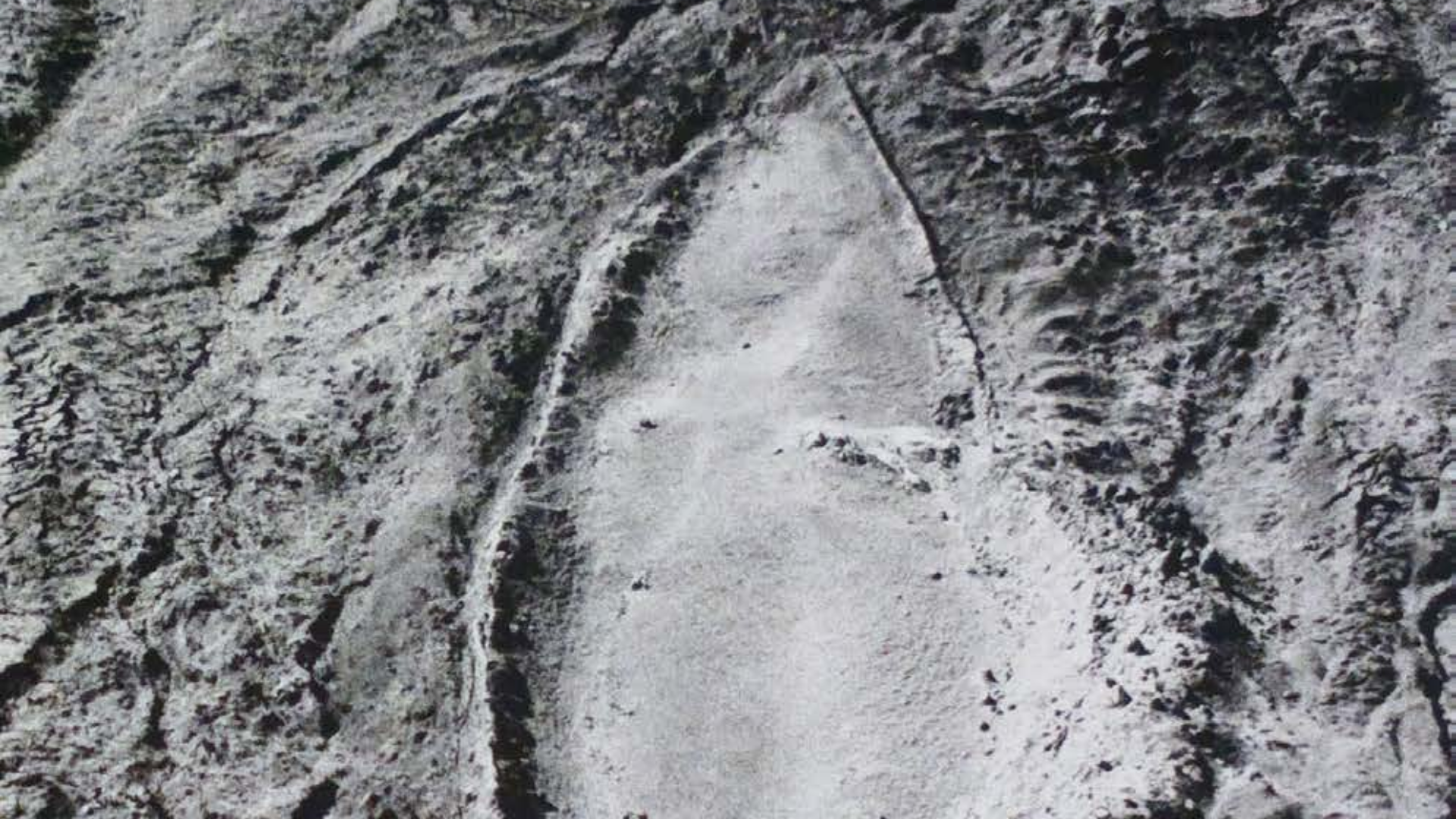
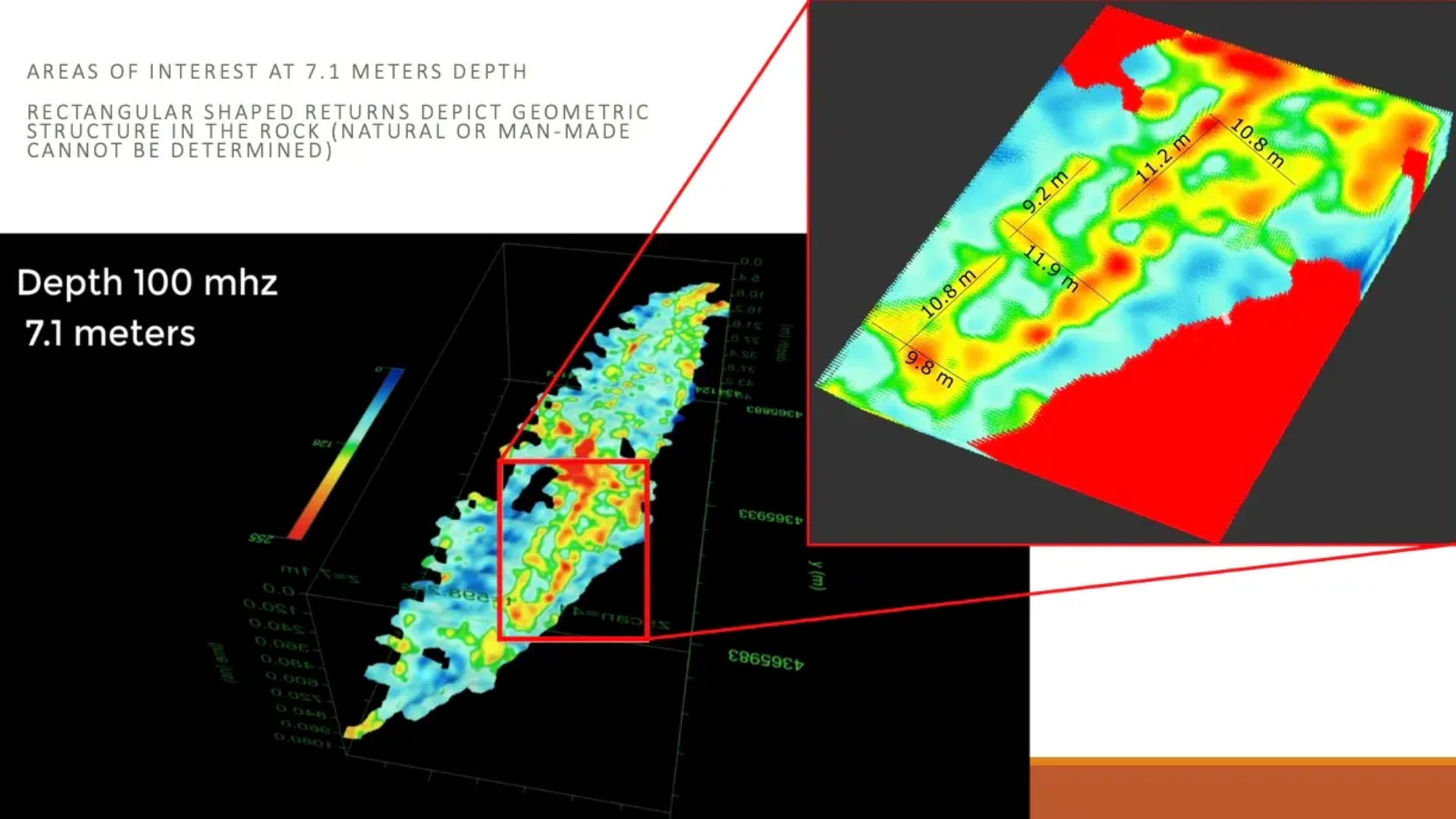
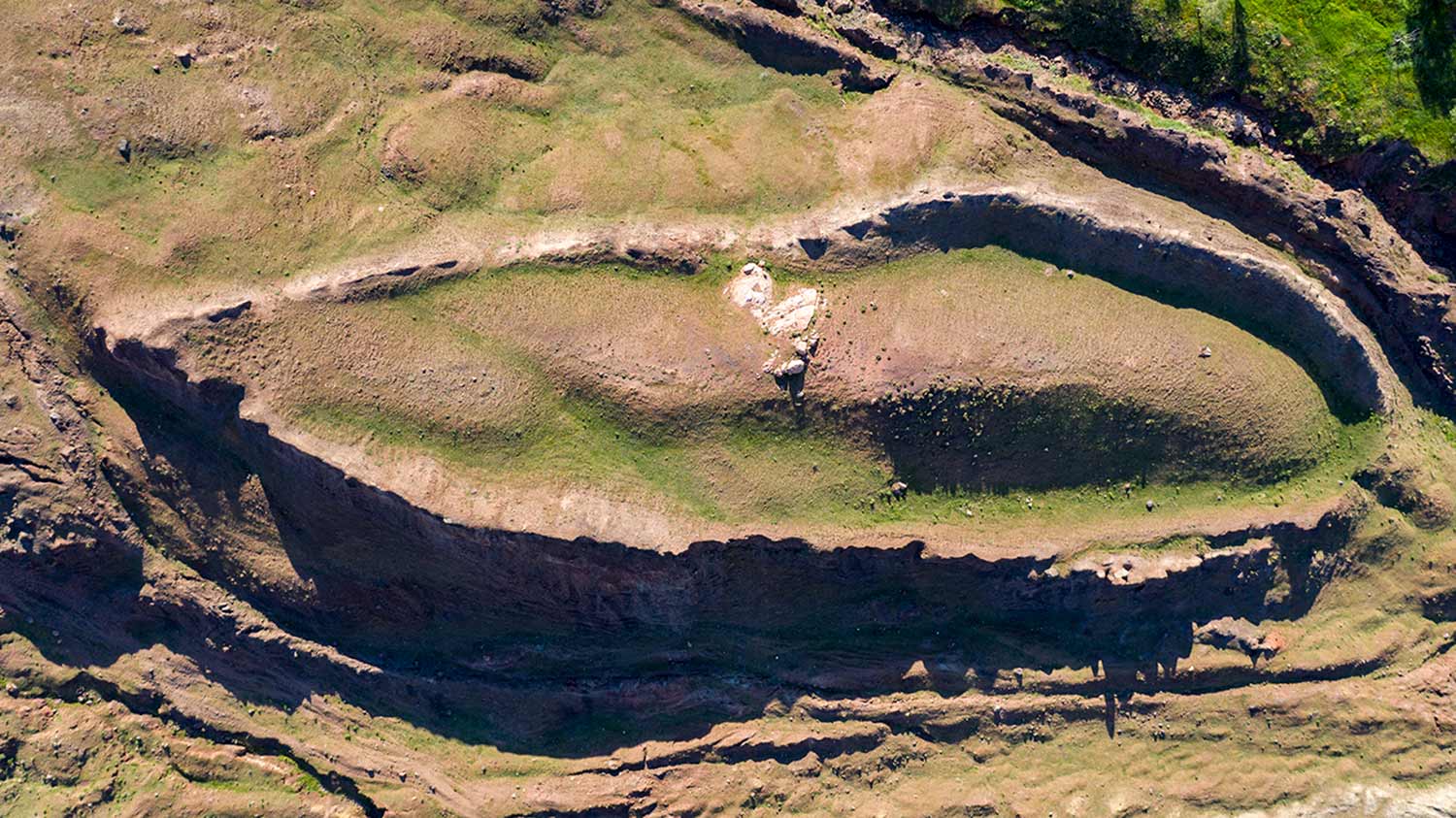
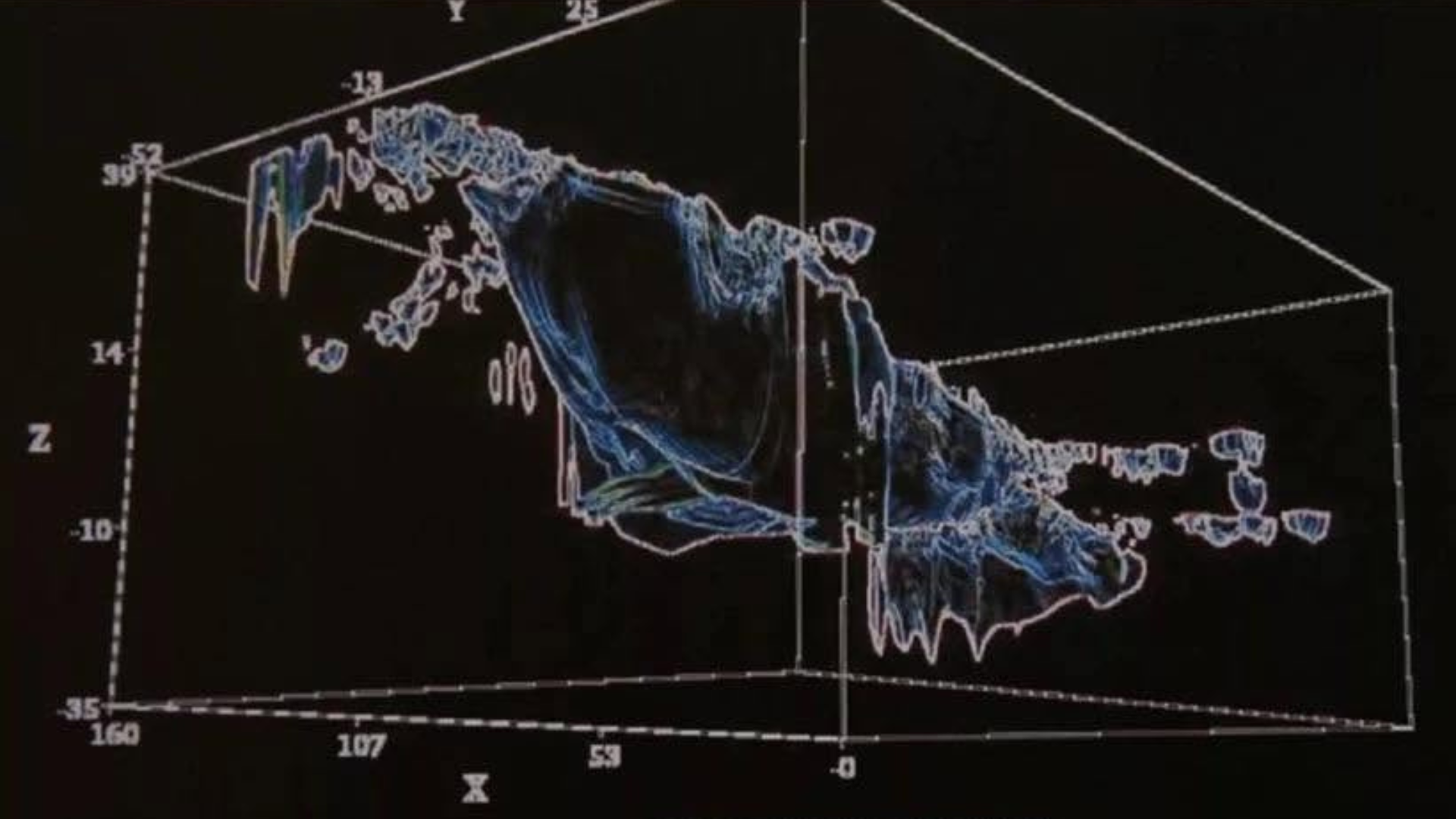
Some people look at these photos and see the hull of a ship. Others see a trick of mud and rock. For sixty years, the same boat-shaped ridge in eastern Turkey has split everyone who's laid eyes on it into those two camps, and now, up close, you can decide what you see. Do you think this location is worth investigating as the final resting place of Noah's Ark? It's called the Durupinar formation, and it sits about 18 miles south of Mount Ararat, near the Iranian border, roughly where Genesis says the ark came to rest. What makes it worth a closer look isn't a single dramatic photo. It's the way the same piece of ground has been documented across six decades, from a famous aerial shot in the 1960s to ground-penetrating radar that reads what's beneath the surface today. This year, a team led by Noah's Ark Scans is running the most in-depth search the site has seen, scanning and core-drilling to finally test what's beneath the surface. To help fund "The Search for Noah's Ark," click here. GiveSendGo is a partner in this fundraiser. Here's the site up close, with some context on what you're actually looking at, and why each image matters to the people studying it. For the fuller story of the 2026 search happening this year, see [Inside the 2026 Search at Durupinar]. For what the Bible actually says about where the ark landed, see [Mount Ararat and Noah's Ark]. The Photo That Started the Conversation (1961) The 1961 aerial photograph by Ara Guler that brought the Durupinar formation to worldwide attention. This 1961 aerial photograph, taken by the renowned Turkish photographer Ara Güler, is the image that brought the Durupinar formation to worldwide attention. The boat-shaped outline is unmistakable from the air, which is exactly what has kept the question alive for so long. It's worth noting the formation was first flagged two years earlier, in 1959, by a Turkish army captain reviewing aerial mapping photographs. Güler's photo is what made the rest of the world look. The Formation From Above Today A 2019 drone view showing the full scope of the formation. Modern drone photography shows the full scope of the formation in a way the 1961 image couldn't. For the 2026 survey, the team flew a drone that captured roughly 4,000 photographs with sub-centimeter GPS accuracy, enough to build a detailed 3D model of the entire site. Researchers measure it at roughly 157 meters (about 515 feet) long, a figure they note lines up closely with the dimensions Genesis gives for the ark. Skeptics point out that mudflow and erosion can produce elongated, boat-like ridges on their own. Both things can be true at once, which is why the surface photos alone have never settled the debate. The limestone escarpment ridge directly above the formation, shown in its surrounding landscape. This is the limestone escarpment ridge directly above the formation. Some who study the site believe the first settlement after the flood may have been located just below this ridge, though that's an interpretation, not an established finding. It's included here because it shows the formation in its actual landscape, not floating in isolation the way a cropped photo can suggest. What the Scans Suggest Is Underneath This is where the 2026 search by the team at Noah's Ark Scans is focused. Nothing below has been physically confirmed yet, but these scans point to what might be underneath, and the team's 2026 core drilling is meant to test whether it holds up. Core drilling pulls up narrow, continuous columns of soil and rock from deep inside the formation - the first time material from that depth would be examined directly, in a lab, instead of read from a scan at the surface. A drone photograph overlaid with ground-penetrating radar results. Here a drone photograph is overlaid with results from ground-penetrating radar. Some of the most-discussed readings came from a 2019 scan, run by a professional survey crew brought in for a television documentary. Andrew Jones, who founded and leads the research at Noah's Ark Scans, describes the moment the data came in: the technician began seeing "parallel lines going across the screen and perpendicular lines forming right angles" roughly nine feet down - in the technician's words, "we're actually seeing structure below the ground." Right angles rarely occur through natural geological processes, which the team interprets as a sign of possible intentional structure. Critics counter that subsurface radar is notoriously open to interpretation, and that "anomalies" are not the same as walls. A 100 MHz ground-penetrating radar scan. Red areas mark what researchers describe as possible tunnel-like features. This is a ground-penetrating radar scan at 100 MHz. The red areas are what the researchers describe as possible tunnel-like features running along the center of the formation and inside one edge of the "hull." The 2026 season is deploying a newer, more powerful radar the team says can read nearly 100 meters down, far deeper than earlier surveys reached. In an August 2026 press release, the team reported that this deeper radar had scanned the formation without finding the solid bedrock floor a natural rock feature would normally show, though they're careful to note that's a lead worth testing, not a conclusion. Whether these features are corridors, voids, or ordinary variations in rock and sediment is precisely the question the core drilling is meant to answer, by pulling physical material a lab can actually test. Angular subsurface features detected about 7 meters down, among the readings the team finds most compelling. The team points to angular subsurface features like these, detected about 7 meters down, as among their most compelling readings. It's also fair to say no wood, worked timber, or man-made object has yet been recovered and independently verified from the site. The scans raise the question and fuel continued investigation today. The Site in Its Setting A view from the International Space Station showing the broader Mount Ararat region. Credit: NASA. This photograph from the International Space Station shows the broader Mount Ararat region where the formation sits. It's a useful reminder that "the mountains of Ararat" in Genesis 8:4 describes a whole region, not one single peak, which is part of why a formation 18 miles from the summit of Mount Ararat is still within the biblically plausible area. We unpack that fully in [Mount Ararat and Noah's Ark]. Why These Images Are Significant For sixty years, the Durupinar formation has been something people could only photograph from the outside and argue about. What's different now is that the same site is being read from the inside, with radar, resistivity, and, in 2026, physical core samples. The images on this page are the visual record of a question moving from "what does it look like?" toward "what's actually down there?" The honest answer today is that we don't know yet. But that's the whole reason the current search is worth following. It might confirm what people have hoped for generations. It might not. Both outcomes are worth documenting honestly. GiveSendGo is a partner in "The Search for Noah's Ark" fundraiser by Noah's Ark Scans, helping support this research - not to declare what the team will find, but to help make sure the question finally gets a rigorous, testable answer. Follow the search and help fund the dig here. Images courtesy of Noah's Ark Scans' website, fundraiser, and Facebook page.
 GiveSendGo News
Core Drilling Begins at the Noah’s Ark Site
Posted by Alex Shipley. Interview by Elijah Snider. on Aug 22, 2026
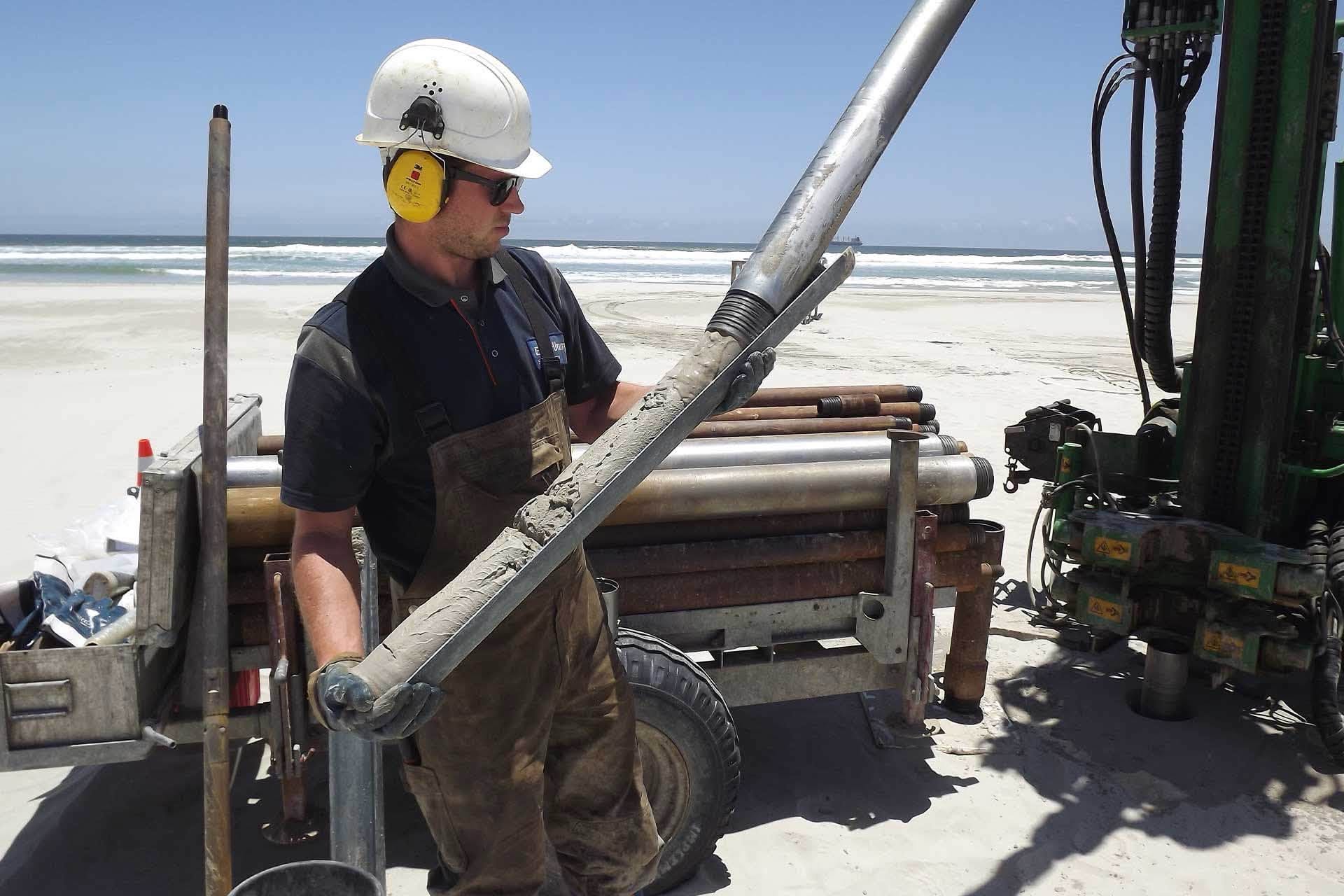
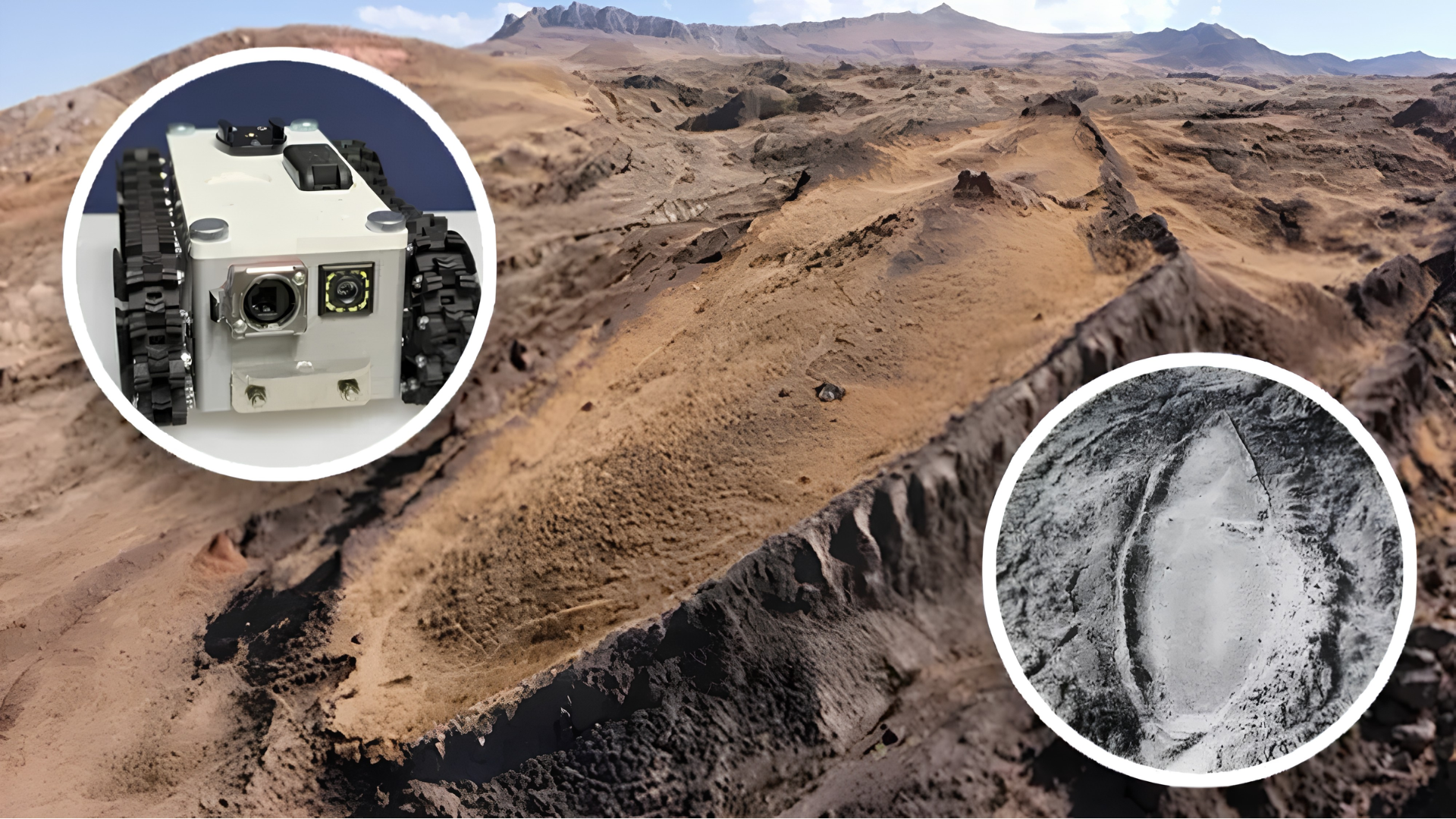
This is the year the search for Noah's Ark stops looking and starts digging, or, more precisely, drilling. A research team in eastern Turkey is preparing to bore deep into the formation many believe holds the ark's remains, and bring up the first samples anyone has ever pulled from inside it. The team at Noah's Ark Scans, working with Turkish academics and under official government permits, has made a sonic core-drilling program the centerpiece of its 2026 research season at the Durupinar formation, the site many believe holds the remains of Noah's Ark. It's the first effort of its kind at this level of technology in decades. That work is funded by everyday people. To help fund "The Search for Noah's Ark," click here. GiveSendGo is a partner in this fundraiser. Why Drilling Is the Turning Point Everything at Durupinar up to now has been read from a distance. Aerial photographs going back to 1959, surface surveys, soil samples from around the formation, and ground-penetrating radar have all produced images and data that still have to be interpreted. That's exactly why the site has stayed contested for so long: two people can look at the same radar return and see two different things, one a built structure, the other ordinary rock. Core drilling is different. It pulls up a continuous, physical column of what's actually underneath, layer by layer, so it can be examined directly instead of inferred from a scan. It's the gap the researchers keep pointing to. "No one has gotten deep into the site," says Andrew Jones, who founded Noah's Ark Scans and leads its research. Plenty of people have measured the surface, walked it, and scanned it, but no one has pulled material from far below it. The drilling is meant to move the question from "does it look like a boat?" to testing what the material itself actually is. What the Earlier Findings Showed The drilling builds on data the team has already released, which is what pulled this story back into national news over the past year. On the geophysics side, ground-penetrating radar and resistivity scans have, in the team's reading, picked up angular features and a long central corridor several meters below the surface, patterns Jones argues are hard to explain as natural rock. In an August 2026 press release, the team added that a specialized deep-ground radar had scanned the formation without finding the solid bedrock a purely natural feature would be expected to have, though they note that isn't proof on its own. On the soil side, the team reported that samples taken inside the formation showed roughly three times the organic matter of the soil just outside it, which Jones argues points to a closed environment where organic material, possibly wood, decayed over time and altered the surrounding chemistry. Critics read the same soil differently, noting that a bowl-shaped feature collecting rainwater could also produce richer soil without any buried structure. The core samples are meant to help settle which reading holds up. What the 2026 Operation Involves The plan is deliberately non-destructive, a condition of the Turkish permits and a priority the team has stressed repeatedly. Rather than excavating the formation, the operation layers several techniques. Drones map the site in fine detail with LiDAR and thermal imaging. Next-generation ground-penetrating radar and electrical resistivity tomography scan the full length of the roughly 515-foot formation. Then the sonic core drill recovers continuous columns of soil and rock from deep below the surface, without the invasive digging Turkish authorities have wanted to avoid. The drilling itself is more precise than the word suggests. The drill bit is only about six inches wide, aimed at exact points across a 515-foot target, which is why the team spends so long mapping and scanning before a single core comes up. And they don't plan to stop at whatever might remain of a vessel. Jones says the goal is to drill past it, deep into the mountainside beneath, "to get below whatever's there and see the layers underneath." Reaching 50 meters or more, in some places toward 75, would let the team read the site the way a geologist reads rock: layer by layer, in order. If the scans reveal a void or chamber, the team is ready to look inside it directly. They've built a miniaturized camera probe they nicknamed the "Gopher," small enough to lower down a borehole and steer, as Jones describes it, "with a PlayStation controller." The sequence is the point: map first, scan next, then sample, then look. What Happens Next Core samples don't produce instant answers. Once they're recovered, they go to laboratories in both Turkey and the United States, where dating and material analysis take time and have to be done carefully to hold up to outside scrutiny. Jones is candid that the day the drill goes in carries a lot of weight for him. "My prayer on the day that we drill is that we just have smooth drilling," he said. "I want to get whatever data is below the ground. I don't want it to be a waste of money and time." Whatever the cores show, the team says it will make the results public. "We're gonna publish and share no matter what the data shows," Jones said, noting that when independent scientists asked for the team's earlier scan data, "we've given it to them. We're not holding back and hiding secrets." For a question this contested, a commitment to publish either way is what separates a search for evidence from a search for a headline. How the Search Is Funded This expedition isn't backed by a university endowment or a government grant. It's being funded the way a lot of ambitious searches are now, by everyday people who want to see the question answered. The fundraiser covering the core drilling, the surveys, and the analysis that follows is live on GiveSendGo, where anyone curious about what's under that ridge can help pay for the work of going in to look. You don't have to be certain what the drill will find to think it's worth finding out. That's the appeal of crowdfunding a search like this one: it turns a sixty-year question into something a community can act on together. Want to follow the expedition or help fund the work? Support "The Search for Noah's Ark" here. GiveSendGo is a partner in this fundraiser. Images courtesy of Noah's Ark Scans' website, fundraiser, and Facebook page.
 GiveSendGo News
What is the Durupinar Formation?
Posted by Alex Shipley. Interview by Elijah Snider. on Aug 22, 2026
High in the mountains of eastern Turkey, about 18 miles south of Mount Ararat, there's a ridge shaped almost exactly like a boat. It's roughly 515 feet long, pointed at one end, rounded at the other, and it has drawn arguments, expeditions, and pilgrims for more than sixty years. It's called the Durupinar formation, and depending on who you ask, it's either an accident of geology or the resting place of the famous Noah's Ark. This article covers what the formation actually is, how it was found, why people connect it to Genesis, and why a team is heading back this year to take a closer look. That team, led by Noah's Ark Scans, is running the most in-depth search the site has seen, scanning and core-drilling to finally test what's beneath the surface. To help fund "The Search for Noah's Ark," click here. GiveSendGo is a partner in this fundraiser. Where It Is and What It Looks Like The Durupinar formation sits near the village of Uzengili, in the Agri Province of eastern Turkey, in the mountains not far from the Iranian border. From the air, it reads unmistakably as a unique shape: a long, teardrop outline pressed into the surrounding terrain, with raised sides and a pointed prow. On the ground, it's a low mound of earth and rock. Its dimensions are the reason people keep coming back to it. The formation runs roughly 515 feet long, close to the 300 cubits Genesis gives for the ark. That length is the single detail that turns a strange-looking ridge into a question worth asking. Could this be the location of Noah's Ark's final resting place? How It Was Discovered The formation gets its name from Captain Ilhan Durupinar, a Turkish army cartographer. In 1959, while reviewing aerial survey photographs of the region, he noticed a boat-shaped outline that didn't look like the land around it. The photos were published, and by the early 1960s the site had caught the attention of researchers and believers around the world. The Turkish photographer Ara Güler captured an iconic aerial image of it in 1961 that spread the story further. The formation had likely been sitting there, unnoticed from the ground, for a very long time. It took an aerial view to make the shape obvious. Some researchers believe it emerged into view after earthquakes and heavy rains disturbed the surrounding mud in the mid-20th century, which is part of why one way to describe it is buried, not hidden. Why People Connect It to Noah's Ark Genesis 8:4 says the ark came to rest "on the mountains of Ararat" after the flood. For the full biblical background, see [Mount Ararat and Noah's Ark]. The Durupinar formation sits in that region, and it's boat-shaped, and it runs close to the length Scripture gives. For people who find those three facts hard to dismiss as coincidence, it's a compelling candidate. "You're not gonna find a site like this anywhere in the world where you're looking at the actual object associated with this event in the book of Genesis," said Andrew Jones, founder and lead researcher at Noah's Ark Scans. Over the decades, researchers have pointed to other details as well. In 2024, Noah's Ark Scans, the group now leading the 2026 search, took 88 soil samples from inside and outside the boat-shaped area, and reported that the samples from inside contained roughly three times more organic material than the ground just outside it, which they interpret as consistent with a large wooden structure decaying in place over time. Earlier ground-penetrating radar scans have also suggested angular structures and regularly spaced features several meters below the surface, patterns the researchers argue look more built than natural. None of this is proof, and the people doing the work are careful to say so. But it's enough to keep the question open, and the investigations fueled. What Skeptics Say Plenty of geologists look at the Durupinar formation and see a natural feature, not a boat. The leading explanation is that it's the product of a mudflow and the erosion of softer rock around a more resistant core, a process that can leave behind streamlined, boat-like shapes without any human hand involved. A peer-reviewed paper in 1996, co-authored by researcher David Fasold and geologist Lorence Collins, argued the formation is a natural "syncline," a fold in sedimentary rock. Notably, Fasold had earlier been associated with the idea that the site might be the ark, then co-authored the paper concluding it wasn't. Some Christians also argue it's the wrong site. Answers in Genesis, whose researchers fully believe the flood happened, has long maintained that Durupinar is a natural rock formation rather than the ark. Founder Ken Ham wrote in 2025 that "when Christians use poor, easily disproven, or inconclusive evidence for the truth of God's Word, it makes it easier for skeptics to dismiss everything that person has to say." His point isn't that the ark is a myth - it's that a shaky claim for the Bible can do more harm than a missing one, which is why he urges Christians to "exercise caution, look at the actual evidence, and avoid arguments based on conjecture." That disagreement is exactly why the formation stays interesting. Decades of aerial photos, soil samples, and surface surveys haven't settled it, because the one thing that could settle it, pulling physical samples from deep inside the formation, hasn't been done. The site sits on protected land near a sensitive border region, so any investigation has to be carefully permitted and non-destructive, and until now no team had secured the permissions and tools to test what's actually underneath. The debate has been running in place, waiting on better data. For a fuller look at both sides of the argument, see [the case for and against the Durupinar formation]. The 2026 Research Effort That's where the current expedition comes in. A research group called Noah's Ark Scans, working alongside Turkish academics and with official permits from Turkish government agencies, is bringing modern tools to the site, for the first time in decades at this level of technology. The plan is deliberately non-destructive, and the researchers have laid it out in stages. First came a base survey: a professional crew set precise ground control points and flew a drone that captured around 4,000 photographs, enough to build a high-resolution 3D model of the entire site. Next comes deep radar, a type the team says has never been used in Turkey before, capable of reading nearly 100 meters down. "It's a way to look below the surface like a CAT scan," Jones explained, "and not have to disturb the soil and destroy the site, which is very fragile." From there, the plan moves to roughly 200 soil samples taken inside and outside the formation for chemical comparison, and finally to the step that's never been successfully done here: core drilling. The team plans to drill deep into the formation, past whatever might remain of a vessel and down into the mountainside beneath it, pulling continuous cores of soil and rock for laboratory analysis. The drill bit itself is only about six inches wide against a 515-foot-long target, so the locations are chosen carefully in advance. And if the scans reveal a cavity, the team has a miniaturized camera probe, steerable "with a PlayStation controller," ready to send down and look directly. The idea is simple: map first, then sample, then look. Whether the results point toward something built or confirm a natural formation, the data itself is the goal. As Jones frames it, the honest question is still open - is this something made, or an extraordinary work of nature? More data is how you answer that. How the Search Is Being Funded Core drilling, radar surveys, and the analysis that follows all cost money. The team estimates this season's work at over a million dollars, and the expedition is being funded the way a lot of ambitious things are now: by everyday people who want to see the question answered. A fundraiser for the work launched on GiveSendGo, where anyone curious about what's under that ridge can help fund the going-in-to-look. You don't have to be certain it's the ark to think the question is worth answering. That's the appeal of crowdfunding a search like this one. It turns a sixty-year argument into something a community can actually act on, together. Want to follow the expedition or help fund it? Support "The Search for Noah's Ark" here. GiveSendGo is a partner in this fundraiser.
 GiveSendGo News
Has Noah’s Ark Been Found? What We Know in 2026.
Posted by Alex Shipley. Interview by Elijah Snider. on Aug 22, 2026
Finding a legendary artifact looks easy in the movies. Indiana Jones needed little more than a map, a fedora, and a well-timed whip. Real life is slower: the search for Noah's Ark has run sixty years without a definitive answer, and 2026 might be the closest anyone's come. So let's start with the honest answer: no. As of 2026, no one has confirmed the discovery of Noah's Ark, and no find has been verified by the broader scientific or archaeological community. But this "no" actually hides a much more interesting story. There's a formation in eastern Turkey that has kept this question alive for over sixty years, and this year, a team from Noah's Ark Scans has finally secured the permits and the technology to test what's beneath it directly, rather than just debate scans from the surface. Here's what's genuinely known, what's claimed, who disputes it, and what's happening next. That test is being funded by everyday people who want the question answered. To help fund "The Search for Noah's Ark," click here. GiveSendGo is a partner in this fundraiser. Where the Search Is Focused: the Durupinar Formation Nearly every serious modern claim points to one place: the Durupinar formation, a boat-shaped ridge about 18 miles south of Mount Ararat, near Turkey's border with Iran. It was first noted in 1959 by Turkish army captain Ilhan Durupinar during an aerial survey, and it's been a magnet for Ark-hunters ever since. Its shape and its size are what keep drawing people back. From the air, it reads unmistakably like a ship's hull. And researchers measure it at roughly 515 feet long, close to the dimensions Genesis gives for the ark, 300 cubits (Genesis 6:15). It also sits within the region Genesis names as the ark's resting place, "the mountains of Ararat" (Genesis 8:4), which describes a whole mountainous region, not one single peak. We unpack the full biblical background in [Mount Ararat and Noah's Ark]. What the Researchers Say They've Found The current investigation is driven by Andrew Jones, founder and lead researcher of Noah's Ark Scans, with 2026 fieldwork directed by Professor Cenker Atila, an archaeologist at Sivas Cumhuriyet University, after their Turkish partner secured government permits. We sat down with Jones over a video call to talk more about the search. Jones is candid that he's a software developer and independent researcher, not an archaeologist himself, which is part of why the 2026 work is built around credentialed academic partners and laboratory testing. Jones and his team report several findings they consider significant. Using ground-penetrating radar, electrical resistivity, and other scans, they say they've detected angular structures and corridor-like features several meters below the surface, shapes they argue rarely occur through natural processes. Jones has said the readings are not what you'd expect from a solid block of rock or random mudflow debris, but are consistent with what a constructed vessel might leave behind. The team also reports that soil samples taken from inside the boat-shaped area showed higher organic content than the surrounding ground. What the team has so far are readings and samples that point somewhere promising, and they're the first to say those readings need to be confirmed with physical material. No wood, worked timber, or clearly man-made object has been recovered and verified yet. That's exactly what the 2026 core drilling is meant to change: pulling real material from deep inside the formation that outside laboratories can test directly. "I would love to find layers of either petrified wood or something that's been left there," Jones said. Who Disputes It, and Why Secular scientists disagreeing with a Noah's Ark claim is no surprise. What's more striking is that some of the strongest pushback comes from fellow Christians, people who would love to see the ark found, but still don't believe this site is it. The most notable is Dr. Andrew Snelling, a geologist with Answers in Genesis. Snelling is a young-earth creationist who fully believes the flood happened and would love to see the ark recovered, but has argued for decades that Durupinar is just a natural rock formation, not the ark. His view is that the site's features are geological, and that we shouldn't expect a wooden vessel to have survived and remained findable after thousands of years. He's not alone among believers. Evangelical researchers Bill Crouse and Gordon Franz have co-authored detailed critiques also concluding the Durupinar claims don't hold up. Secular scientists have been more pointed still. The most-cited rebuttal is a 1996 peer-reviewed paper by geologist Lorence Collins of California State University Northridge, which concluded the formation is a natural syncline of sedimentary rock, with the "man-made" features explained as ordinary mineral concentrations. Notably, Collins's co-author was David Fasold, the American researcher who in the 1980s first helped popularize Durupinar as a possible ark, and who by 1996 had published against it. The mainstream scientific and archaeological consensus today is that the Durupinar formation is a natural landform. We lay out the strongest points on both sides in [The Case For and Against the Durupinar Formation]. How the Researchers Answer the Skeptics Jones doesn't dispute that the debate exists. "You're gonna find archaeologists, they always debate about everything," he says, acknowledging that archaeology deals in "different degrees of certainty" rather than absolute proof. He says he never expected universal agreement, and that the team's job is to gather data and "let everyone else decide." On the syncline paper specifically, his response is to point to a different geologist. Jones says he's spent years at the site with Dr. Salih Bayraktutan, a Turkish geologist who has studied the formation since the mid-1980s, and who argues it isn't a folded rock formation at all - that apart from a few boulders, the structure is largely earthen, without the exposed sedimentary rock layers a true syncline would show. Jones's argument is essentially one of proximity: the 1996 paper's co-author, he notes, never visited the site, while Bayraktutan has walked it for decades. Skeptics counter that firsthand familiarity doesn't override peer-reviewed analysis, leaving the debate deadlocked. The team's most recent survey speaks to that same argument. In an August 2026 press release, Noah's Ark Scans said it had deployed a specialized deep-ground radar across the formation and could not identify a clear bedrock boundary beneath it - a result the team argues is hard to reconcile with the idea that the site is simply solid natural rock. As even their own statement is careful to note, that isn't proof on its own: the absence of a boundary in the data processed so far doesn't confirm bedrock is absent, and radar anomalies alone don't establish an archaeological origin. But it's precisely these conflicting interpretations the upcoming core drilling is designed to test directly. So Why Is This Still Worth Following? Because for all sixty years of argument, no one has ever done the one thing that could actually move it forward: drill into the formation with modern tools and pull real samples from deep inside for independent laboratory analysis. Every round of the debate so far has been fought over surface features, metal-detector readings, and radar interpretation - data open to being read both ways. It's worth being honest about what drilling can and can't do. It may not deliver a single, tidy verdict that ends the argument forever. But it can replace interpretation of surface scans with physical material a lab can actually date and identify, which is a real step no one has taken. The 2026 investigation, a multi-phase survey capped by minimally invasive core drilling, is designed to take it. And the team has committed to sharing what it finds regardless of the outcome. "We're gonna publish and share no matter what the data shows," as Jones puts it, which is the standard any honest search should be held to. You don't have to pick a side today to find that worth watching. It might confirm what believers have hoped for generations. It might confirm the skeptics. Both are real possibilities, and both are worth knowing honestly. For Jones, the stakes reach past this one site. "If this story's true," he says, "then what else in the Bible is true?" What's Next in 2026 The team has government permits in hand and plans to carry out the core drilling and remaining survey phases this year, with samples going to university laboratories for independent testing. For a full breakdown of the expedition, the methods, and the people leading it, see [Inside the 2026 Search at Durupinar]. For the images that have fueled sixty years of debate, see [Photos from the Noah's Ark Site]. The 2026 search is run by Noah's Ark Scans and funded by the public through a fundraiser hosted on GiveSendGo. GiveSendGo is a partner in this fundraiser, not to declare what the team will find, but to help make sure a decades-old question finally gets a rigorous, testable answer. Follow "The Search for Noah's Ark" and help fund the dig here.
 GiveSendGo News
Noah’s Ark in Turkey: Inside the 2026 Search at Durupinar
Posted by Alex Shipley. Interview by Elijah Snider. on Aug 21, 2026
For thousands of years, Noah's Ark has been one of the most searched-for biblical artifacts in history, and it may have been sitting in plain sight this whole time. There's a ship-shaped ridge in the mountains of eastern Turkey, and for more than sixty years it's been photographed from the air, walked across on foot, and never once looked at from the inside. In 2026, that finally changes. We sat down over a video call with Andrew Jones, the founder and lead researcher at Noah's Ark Scans, to talk through the site, the details of his team's 2026 search, the fundraiser behind it, and what he hopes they'll find. The 2026 search is led by Noah's Ark Scans and funded by everyday people who want the question answered. To help fund "The Search for Noah's Ark," click here. GiveSendGo is a partner in this fundraiser. What Is the Durupinar Formation? The Durupinar formation is a large, boat-shaped mound about 18 miles south of Mount Ararat, near Turkey's border with Iran. It was first noted in 1959 and named for Captain Ilhan Durupinar, the Turkish army officer who flagged it during an aerial mapping survey after earthquakes and heavy rains exposed its outline. Two things have kept people debating it ever since. The first is its shape, which reads unmistakably like the hull of a ship pressed into the hillside. The second is its size. Researchers put its length at roughly 515 feet, which they note lines up strikingly with the dimensions Genesis gives for the ark - 300 cubits long (Genesis 6:15). For what the Bible actually says about where the ark came to rest, and why "the mountains of Ararat" means more than one peak, see our companion piece on [Mount Ararat and Noah's Ark]. For decades, most geologists who examined the site concluded it was a natural formation, and mainstream archaeology has not endorsed it as the ark. That's still the majority view. What's changed is that the tools now exist to test the question directly. Who Is Leading the 2026 Search? The 2026 investigation is run by Noah's Ark Scans alongside a team of Turkish and international researchers, after their Turkish partner secured permits from multiple government agencies for what the group calls the most thorough scientific study ever attempted at the site. The fieldwork is directed by Professor Cenker Atila of the archaeology department at Sivas Cumhuriyet University, working with collaborators from Turkish universities. Jones has driven the effort for years, and he's candid about his background: he's a software developer by trade, not an archaeologist. He describes archaeology as the "serious side hobby" his parents once told him to keep, since it wouldn't pay the bills, a passion he's spent decades pursuing at this one site. That's part of why the 2026 work is built around credentialed academic partners and laboratory analysis rather than any one person's conclusions. What keeps pulling him back is simple: "It's the mystery of what's below the surface." As he points out, for all the attention the site has drawn, "no one has excavated the site. No one has put in a systematic core drilling system to pull out samples and see what's really below the surface." No one, that is, until now. How the Search Got Its Permits Getting permission to work at a protected site in Turkey is its own story, and Jones tells it as a series of unlikely connections. Non-Americans can't excavate in Turkey on their own; the law requires partnering with a Turkish archaeologist and a university. The connection that made 2026 possible, Jones says, came through a chance meeting with a Turkish archaeology student and social-media creator while he was in Cairo, who introduced him to Professor Atila. From there, the project went before a Turkish government commission and was approved unanimously. Jones doesn't see that chain of events as luck. He sees God's hand in it: "God opened the doors and we ran through it." What followed was official permits, a credentialed academic lead, government oversight, and more institutional backing than most previous efforts at the site ever had. What Are They Actually Doing? Rather than digging the site up, the team is running a multi-phase survey designed to map what's underneath while leaving the formation largely intact. The phases the researchers have described: Aerial baseline mapping - a precise surface model of the whole formation from the air. Deep subsurface scanning - ground-penetrating radar and related imaging to look for structure below ground. Sonic core drilling - pulling narrow physical samples from deep inside the formation, the first time material from that depth would be examined directly. Deep electrical geophysics - electrical resistivity tomography, which reads how underground materials conduct current, to distinguish rock from possible voids or worked material. Void exploration - investigating any cavities the scans turn up, potentially with a small underground drone the team nicknamed "Gopher." Data fusion and laboratory analysis - combining every dataset and sending physical samples to university labs for independent testing. The idea is to answer the question with converging evidence rather than one dramatic dig, in a way Turkish authorities will permit at a protected site. What Have They Found So Far? Nothing yet is certain, but there's enough to explain why the search keeps going. The researchers report that earlier scans revealed corridor-like and angular features beneath the surface, and that soil samples from inside the boat-shaped area showed higher organic content than the surrounding ground, which they read as consistent with decomposing organic material. Jones, who is also the project's lead researcher, said, "Everything is pointing to this being a man-made object that's ship-shaped in the mountains of Ararat and three hundred cubits long." The team's newest survey adds to that case. In an August 2026 press release, Noah's Ark Scans reported that a specialized deep-ground radar had scanned the formation without finding the solid bedrock a purely natural feature would be expected to have - a result the team says is hard to reconcile with the "it's just rock" explanation. They're careful to note it isn't proof on its own. Skeptics read the same data differently, and no scientific consensus has formed around the site. No wood or clearly man-made object has been recovered and verified. That tension is exactly why the core drilling matters: it moves the question from interpreting scans toward physical material a laboratory can test. We lay out both sides in [The Case For and Against the Durupinar Formation]. Why It's Funded by the Public, Not a University Mainstream institutions generally won't touch Ark research, as the reputational risk is too high, and no university wants its name on a search skeptics call a hunt for a fairy tale. That leaves the public. "It's a lot easier to appeal to the general public and say, hey, this is a project we're doing," Jones has said. "If you're interested in our project, help us." The season's work - radar, drilling, lab analysis - runs to over a million dollars, funded by everyday people who want to see the question answered. Why This Search Is Worth Following Whatever the drilling turns up, it's a rare thing to watch in real time: a decades-old question finally put to a direct test, with real scientists, real permits, and results the team has committed to publishing either way. As Jones puts it, "You're not gonna find a site like this anywhere in the world, where you're looking at the actual object associated with this event in the book of Genesis." It might confirm what believers have hoped for generations. It might not. Both outcomes are worth knowing honestly, and worth following as they unfold. Follow "The Search for Noah's Ark" and help fund the dig here. GiveSendGo is a partner in this fundraiser. Keep Reading Mount Ararat and Noah's Ark: What the Bible Actually Says - where Genesis says the ark landed, and why it's more than one peak What Is the Durupinar Formation? - the full story of the site, its discovery, and the debate Has Noah's Ark Been Found? What We Know in 2026 - the honest state of the search right now The Case For and Against the Durupinar Formation - the strongest points on both sides, side by side Photos from the Noah's Ark Site: Durupinar Up Close - the images that have fueled sixty years of debate Core Drilling Comes to the Noah's Ark Site - the centerpiece of the 2026 season, explained
 GiveSendGo Features
Shadrach, Meshach and Abednego: the Three Who Would Not Bow — and the Fourth Man in the Fire
Posted by Alex Shipley. Interview by Elijah Snider. on Aug 11, 2026
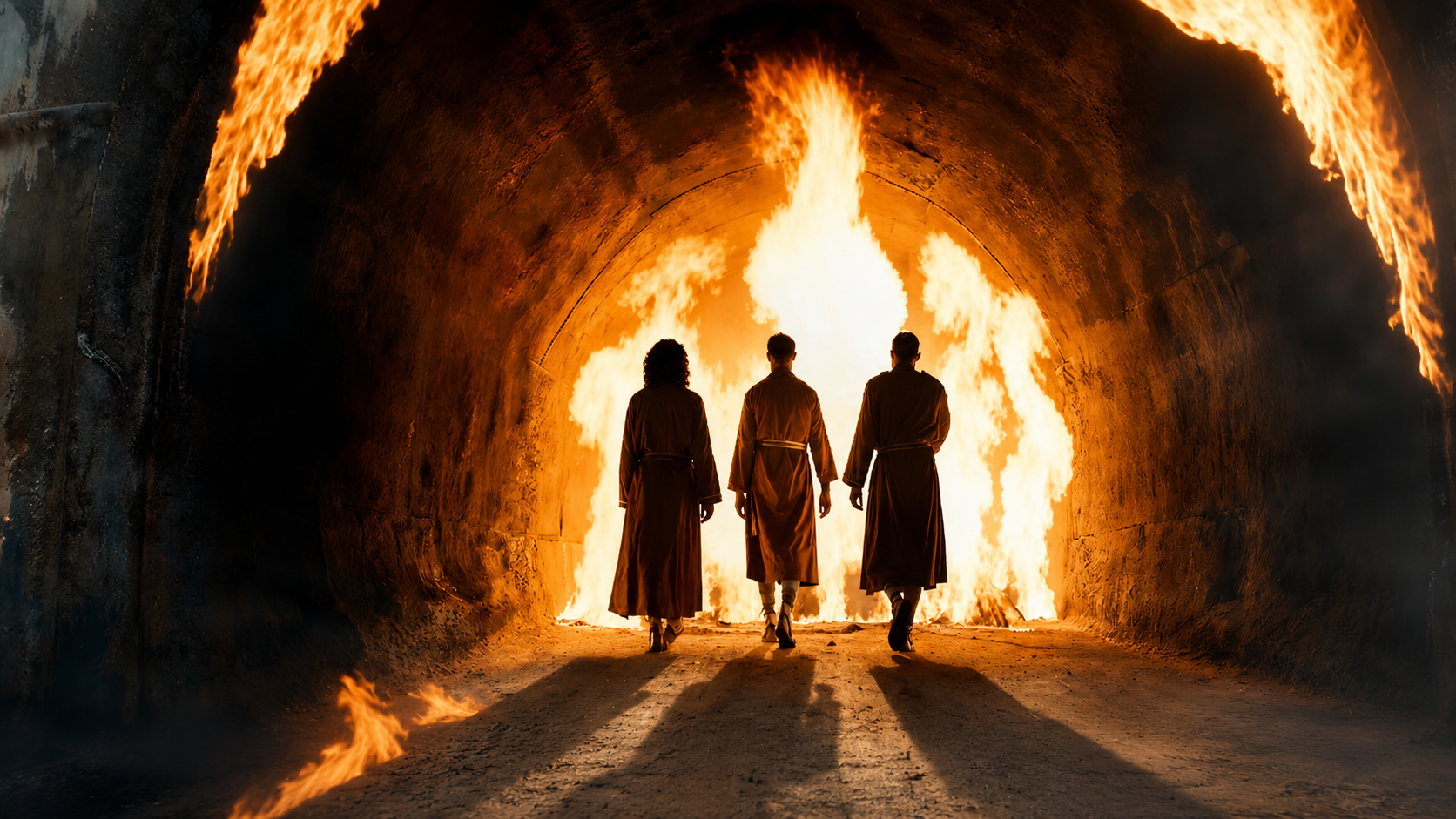
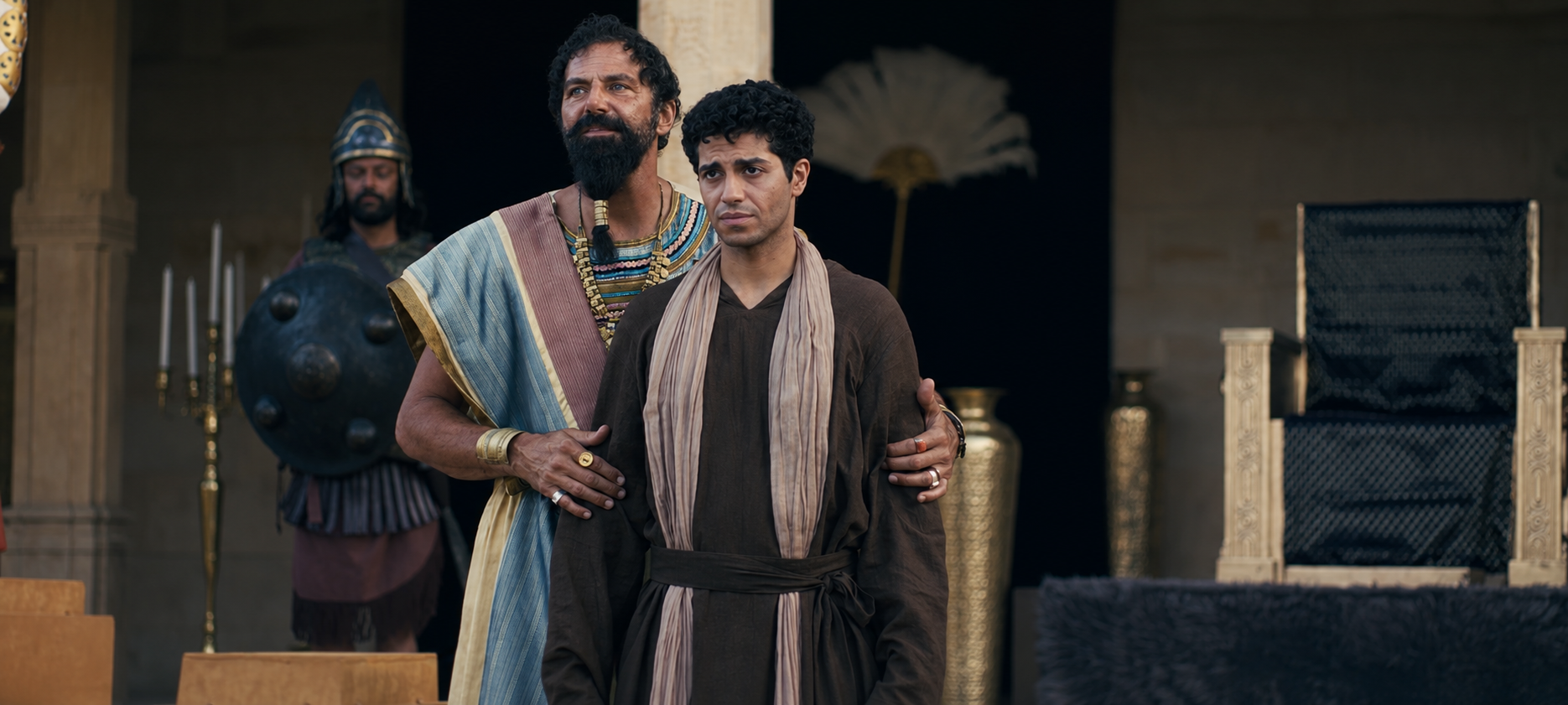
If you've spent any time in church (or watched VeggieTales as a kid), the story of the fiery furnace probably already rings a bell. It's one of those stories taught early and often enough that we assume we already know it, but the stories we think we know best from Sunday school are usually the ones where we've missed the most important, most overlooked details. This is one of those. Strip away the felt board and what's left is a story of real faith in the middle of real adversity, where life or death actually hung on the answer three men gave a proud, furious king. This story is now a major motion picture, Daniel and the Fiery Furnace, in theaters September 18. Through the movie's fundraiser on GiveSendGo, you can help send someone who couldn't otherwise afford to go. Give to Send Someone. Who Were Shadrach, Meshach, and Abednego? Before they had those names, they were Hananiah, Mishael, and Azariah - three young Hebrew men taken to Babylon along with Daniel after King Nebuchadnezzar conquered Jerusalem. Like Daniel, they were given new Babylonian names in the king's court: Daniel became Belteshazzar, and his three friends became Shadrach, Meshach, and Abednego. They appear alongside Daniel early in the book, refusing the king's food and wine to stay faithful to their convictions. The food had likely been dedicated to Babylonian gods before it ever reached the table, and eating it would have meant honoring those gods along with the king. Daniel and his three friends chose not to defile themselves that way, wanting to stay fully faithful to the one true God, even in something as ordinary as a meal (Daniel 1:8-9). They trusted that their obedience would be met with God's own faithfulness, and it was: after ten days of eating nothing but vegetables and water, they looked healthier than everyone else in the king's training program (Daniel 1:12-16). God, pleased with their obedience, gave all four of them wisdom and understanding beyond their years, and gave Daniel specifically the ability to interpret visions and dreams (Daniel 1:17). It's worth remembering: these were likely very young men. The Kooman brothers, the filmmakers behind Daniel and the Fiery Furnace, made the same observation while researching this story for their film: "They were likely teenagers, young adults when they got to Babylon." These weren't seasoned men who'd faced down kings before. It's a story about people asked to make a decision most teenagers never have to: one that could cost them their lives. By the time Nebuchadnezzar's golden statue goes up, all four men hold real positions in the Babylonian government. We may know Shadrach, Meshach, and Abednego mostly as Daniel's friends, but they weren't minor characters. Nebuchadnezzar himself said he'd found no one to compare to them in his entire kingdom. The Golden Statue and Nebuchadnezzar's Command Daniel 3 opens with Nebuchadnezzar building a gold statue about ninety feet tall on the plain of Dura, in the province of Babylon, and commanding that everyone bow to it the moment the royal music played. Refusal meant immediate death in a blazing furnace. Shadrach, Meshach, and Abednego didn't bow. Certain Chaldeans, probably priests, who may have resented their standing, reported them to the king. Given one more chance to comply, the three men gave the answer that's become the center of the whole story: their God was able to deliver them from the furnace, and He would deliver them from the king's hand. "But even if he does not," they told the king, they still would not serve his gods or worship the statue he had set up (Daniel 3:16-18, NIV). Why Wasn't Daniel in the Fiery Furnace With Them? This is the question people ask more than almost any other, and the text actually gives a straightforward answer, even though it's easy to miss. Earlier in the book, after Daniel interpreted the king's dream, he asked Nebuchadnezzar to appoint his three friends over the administration of the province of Babylon, while Daniel himself remained at the royal court (Daniel 2:49). He simply held a different post, in a different place, by that point in the story. But while Daniel most likely was elsewhere when this happened, we don't know for certain, and that uncertainty is part of why the filmmakers built some of the film's own tension around it. In their own words: "Because in the story with the three guys, they go into the fire and there's nothing really said about Daniel... But we know that if he was there with the guys, he would have bowed. That's something that we would have heard about, right? So he didn't bow, but why didn't he bow?" When asked if Daniel makes an appearance in this scene, one brother said, "I can't answer exactly what happens because I want you to check out what happens in the movie." Into the Furnace If there's a pattern to Nebuchadnezzar in this story, it's anger paired with urgency. His fury was moving faster than his judgment, burning about as untamed and wild as the fire he was about to command into being. Because of the young men's refusal to bow down, Scripture says he had the furnace heated seven times hotter than usual. Whether that's a literal measurement or just the ancient world's way of saying "as hot as I can make it," the point is the same: this was a decision made in fury at the God they wouldn't abandon. That same hasty judgment is what led to what came next: his strongest soldiers bound the three men, fully dressed, and threw them in. The furnace was so hot that the soldiers who threw them in were killed by the heat on their way out (Daniel 3:19-22). So Who Is the Fourth Man in the Fire? Then Nebuchadnezzar sees something that stops him mid-sentence. He asks his advisors whether they'd thrown three men into the fire, bound, because he can now see four men, unbound, walking around in the flames completely unharmed. The fourth, he says, looks like "a son of the gods" (Daniel 3:24-25). In other words, even he recognized this person as some kind of supernatural being. Bible readers have debated exactly who that fourth figure was for centuries. Some see an angel sent to protect the other three. But the view most widely held is that this was a pre-incarnate appearance of Christ Himself. That reading leans on a pattern that shows up elsewhere in the Old Testament: the same figure many read as Jesus appears in human or angelic form and is treated as God Himself - the commander who accepts worship at Jericho (Joshua 5:13-15), and the Angel who appears to Gideon and is addressed as "the LORD" a few verses later (Judges 6:11-24). Only Nebuchadnezzar didn't have the theological vocabulary to know what he was looking at. He only had his own polytheistic frame of reference to describe what he saw. But what he saw was still real: someone else was in the furnace with them. They Came Out Without Even the Smell of Smoke When the king called them out and his officials examined them, they found the fire hadn't touched them at all: not a hair singed, not a robe scorched, and no smell of fire on them (Daniel 3:27). Anyone who's stood near a bonfire for ten minutes knows that smell clings to your clothes and even your hair for the rest of the day. These three men walked through a furnace heated past the point of no return, and came out without a trace of it. Nebuchadnezzar made a decree that day that no one could speak against their God. But he wasn't ready to call Him the one true God, just another god worth adding to his collection, and it would take a much harder season for him personally before he finally acknowledged the God of Daniel as the one true King of heaven (Daniel 4:34-37). Still, that day he saw the fourth man in the fire may have been the beginning of his heart changing. That's exactly why the Kooman brothers encourage you to invite your friends and family to watch Daniel and the Fiery Furnace with you. They hope many have this same heart and soul changing moment: "It gives me chills. I literally have chills right now to think about, what if the people that you bring to this movie experience what King Nebuchadnezzar experienced when they look into the furnace? What if they have that transformative life moment, or the beginnings of that, in their own life?" The Significance of the Fiery Furnace, and How It Ties Into Daniel and the Lions' Den God didn't stop the decree or keep Shadrach, Meshach, and Abednego out of the fire. He let them walk all the way into it, so He could walk with them through it, and that's the promise for you too: whatever you walk through, you don't walk through it alone. Decades later, Daniel himself faced his own version of that same choice. Under a different king, Darius the Mede, he kept praying to God three times a day despite a decree forbidding it, and was thrown into a den of lions for it. He came out unharmed the next morning, having trusted, in his words, that his God had sent an angel to shut the lions' mouths (Daniel 6:22). The men who'd conspired against him were thrown in instead, and Darius, like Nebuchadnezzar before him, issued a decree honoring Daniel's God. Two kings, two impossible death sentences, two moments where faithful people had no idea how it would end. It's worth wondering whether Daniel carried something into that lions' den that his three friends had given him decades earlier: not certainty that God would rescue him the same way again, but confidence that God was still the same God, and still good, either way. A Lesson for All of Us "There's an ongoing battle for the soul of each person. There is a battle for whether you're going to choose faith over fear," the Kooman brothers said. "There will come a time where your beliefs will be challenged. And there'll be a time where you may face your own version of, say, the fiery furnace." Shadrach, Meshach, and Abednego committed to faithfulness before they knew the outcome. "Even if he does not," they said, and meant it. Their obedience was never conditional on being rescued. Most of us treat God like a vending machine without meaning to: put in the right amount of faith, expect the outcome we want to come out the other side. They never made that trade. Whatever furnace you're facing, that's the faith worth asking God for: obedience and trust that is steadfast, and doesn't come with a return policy. "Our prayer has always been that people would open the Bible because of this movie," the Kooman brothers have said. For anyone reading this who doesn't yet know the Lord, or hasn't placed their trust in Him, that's exactly the door this story is meant to open. "The way to a future in eternity," they said, "is through the fourth man in the fire." Seeing It On Screen This story is now the center of Daniel and the Fiery Furnace, opening in theaters September 18, 2026. Mena Massoud (Disney's live-action Aladdin) plays Daniel, and Elijah Alexander (Atticus in The Chosen) plays Nebuchadnezzar. GiveSendGo is an Executive Producer on this film. Through the fundraiser on GiveSendGo, you can help send someone who couldn't otherwise afford to go. Through your generosity, you can make sure the price of a ticket doesn't have to decide who gets to see this story told. Give to send someone and learn more. Pastors and church leaders planning a group screening can find advance-screening details here.
 GiveSendGo Features
New Christian Movies in Theaters: What’s Worth Seeing in 2026
Posted by Alex Shipley. Interview by Elijah Snider. on Aug 11, 2026
More faith-based films are reaching real theaters than we've seen in a while, and most weren't backed by a studio with an unlimited budget. They were funded by audiences who wanted more stories that point back to God badly enough to pay for it themselves. From Bible stories come to life, to modern stories of faith, to testimonies in history worth remembering. Here's what's still ahead in 2026, what's already released for your enjoyment, and an honest read on each one. Still Hope (February 5) Still Hope follows a teenage girl abducted into sex trafficking and her long road toward freedom and healing, inspired by true stories. It's a hard watch by design, and reviews have been split. Some found the second half's message-heavy approach worked against the story it was trying to tell, while plenty of viewers described it as one of the more affecting films they'd seen on the subject. Worth knowing going in: this isn't a family movie night pick. It's a serious film for older teens and adults, best watched with people you can talk to afterward. I Can Only Imagine 2 (February 20) The sequel to 2018's I Can Only Imagine follows MercyMe's Bart Millard as success starts to cost him the relationships that matter most, especially with his son. Critics were mixed on whether it earns its own place next to the original, but audiences responded warmly to its themes of fatherhood, forgiveness, and finding God in hard seasons. A solid pick for families who loved the first one. He Calls Me Daughter (March 17-18) This documentary from director Rick Altizer sits down with women carrying what the film calls a "father wound," the lasting impact of an absent, distant, or difficult father, and traces how that wound shapes identity, relationships, and even how a person sees God. It's earned strong, personal reactions from audiences, particularly women. This one's better suited to a small group or a mother-daughter watch than a full family movie night, given how personal the subject matter gets. A Great Awakening (April 3) This historical drama traces the real friendship between evangelist George Whitefield and Benjamin Franklin during America's First Great Awakening. Some critics found the preaching a little heavy-handed for a feature film; audiences disagreed, giving it a rare A+ CinemaScore. If your family enjoys history with real substance behind it, this one delivers. Just know it leans talky and runs over two hours, so it plays better for older kids and up. Young Washington (July 3) From director Jon Erwin (Jesus Revolution, American Underdog), this one follows a young George Washington through the war years that shaped him before he ever led a nation. It's rated PG-13 for real battlefield violence, so it plays better for older kids and teens than little ones. A solid pick for families who want their history with some weight to it. Elijah Peel (August 14) Elijah Peel follows a stadium-filling rock star whose addiction catches up to him in the form of a near-fatal heart attack, and the unexpected friendship with a young girl facing her own terminal illness that starts to break through years of walls he's built up. Kevin Sorbo plays his longtime manager, and the film is executive produced by Willie and Korie Robertson (Duck Dynasty). Inspired by a true story, and squarely aimed at anyone who's watched fame cost someone everything that actually mattered. Daniel: The Fiery Furnace (September 18) The one we're most looking forward to. Daniel and the Fiery Furnace brings the story of Shadrach, Meshach, and Abednego to the screen: three men who refuse to bow to King Nebuchadnezzar's golden statue and are sentenced to death in a blazing furnace for it, only to experience God's deliverance in a miraculous way. Mena Massoud (Disney's live-action Aladdin) stars as Daniel, and Elijah Alexander (The Chosen) plays Nebuchadnezzar. GiveSendGo is an Executive Producer on this one, and we think it's shaping up to be exactly the kind of film the whole family can enjoy: a story that builds faith instead of borrowing it for a subplot. The Kooman brothers, who wrote and directed the film, say the response to their crowdfund proved something bigger than the movie itself. "People want biblical stories," they said. "People want to be inspired by scripture." Their supporters consistently told them, "I've waited my whole life for this." When their own fundraising hit a wall partway through, someone pointed them toward GiveSendGo, and within 24 hours they'd connected with GiveSendGo's founders over a shared love for the book of Daniel. In their words, it "felt like instant family." Daniel and the Fiery Furnace opens in theaters September 18, 2026. Through the movie's fundraiser on GiveSendGo, you can help send someone to see Daniel who couldn't otherwise afford to go. Give to send someone today. Zero A.D. (December 25) Angel Studios closes out the year with this biblical epic retelling the nativity story from Mary's side of it, including the danger her family faced from Herod's massacre of the innocents. The cast includes Jim Caviezel, Sam Worthington, and Ben Mendelsohn, from the director behind Sound of Freedom. It's easily one of the most-anticipated titles on this list for a Christmas release. Honorable Mention: LarryBoy (Date TBA) Animation fans have been waiting years for this one: the first-ever LarryBoy feature film, bringing VeggieTales' plunger-eared superhero to the big screen for the first time. It's been in development for a while, and as of this writing the studio hasn't locked a firm 2026 release date. But if your kids grew up on VeggieTales, or you did, it's worth keeping on your radar. Header image from Daniel and the Fiery Furnace.
 GiveSendGo Features
Is Daniel and the Fiery Furnace OK for Kids? An Honest Parent's Guide
Posted by Alex Shipley. Interview by Elijah Snider. on Aug 11, 2026
As a parent, you've probably been waiting for a biblical film worth watching as a whole family. One you don't have to brace for and leads you closer to Christ, not further away. You've probably come to this page hoping Daniel and the Fiery Furnace is just that movie. This guide covers what the movie's about, its rating, and what your family should know going in, so you can feel confident buying tickets. And through the movie's fundraiser on GiveSendGo, you can help send someone who couldn't otherwise afford to see Daniel too. Give today to help send someone. What Is Daniel and the Fiery Furnace About? Daniel and the Fiery Furnace brings one of the Bible's most well-known stories to the screen: three men who refuse to bow to a king's golden statue and are sentenced to death in a blazing furnace for it. Mena Massoud (Disney's live-action Aladdin) stars as Daniel, and Elijah Alexander (The Chosen) plays King Nebuchadnezzar. The film was shot in India, using real palaces and converted military compounds to bring ancient Babylon to life, and comes from brothers Daniel and Matthew Kooman, twenty years into making films together. Content & Themes This is a story about faith and conviction that doesn't bend under pressure. Shadrach, Meshach, and Abednego face a real death sentence for staying faithful to God. Their answer to the king is the emotional center of the whole film: He's able to save them, but even if He doesn't, they still won't bow. For families, it's a rare chance to talk together about what it costs to stay faithful when it isn't easy, and what it looks like when God shows up in the middle of the hard thing instead of removing it altogether. The Kooman brothers have also said a Hebrew scholar who reviewed the script called it the most accurate faith film he'd evaluated - a real point of trust for parents who already know this story well themselves and want to see it told right. Is There an Official Rating Yet? Not yet. As of this writing, Daniel and the Fiery Furnace hasn't received an official rating. The filmmakers themselves expect it will land somewhere around PG-13 once that process is finished. We'll update this page the moment it is. We asked the Kooman brothers directly what parents should know. "There's no language or sexual content or any of those elements," they said. The intensity comes from real peril, not content you'd usually need to screen for. On age, they didn't give a hard cutoff so much as a range: "I think 10 plus, 9 plus, something in there is a really accurate guide," as they put it. Here's how that breaks down further: 8 and under: This is the age where real caution matters most. A brief battle scene, King Nebuchadnezzar's rage, and the furnace may be frightening or overwhelming, even with a good outcome. If you bring a child this age, sit with them, and talk through the story first so they know how it ends before it's on screen. 9-12: This lines up with the filmmakers' own guidance, and it's where most kids can sit with real tension and a real resolution, especially with a parent close by. This is where the story tends to actually land instead of just entertain, though you know your own child's sensitivity to peril better than any guide can. 13 and up: There's nothing here that should give you pause. Many teens already half-know this story from church and are curious to see it done well on screen. Shadrach, Meshach, and Abednego were likely teenagers or young adults themselves when they faced all of this. As the filmmakers put it: "Would a 16-year-old be able to withstand what these guys faced?" It's worth talking about together afterward: what can we learn from their example? How do you think they must have felt, having their faith tested even in the face of life and death? What Parents Should Know When we asked the Kooman brothers directly what parents should know, they named one scene specifically. Beyond that, the story itself carries two more real sources of intensity worth knowing about before you go: An army entering Jerusalem. Earlier in the film, an army takes the city and swords are drawn. In the filmmakers' own words, this alludes to the trauma of that invasion without showing the full violence Scripture describes. It's brief, they've said, but present, and worth knowing about. King Nebuchadnezzar. He isn't confined to one scene. He's a presence through much of the film, a furious, powerful king who demands to be worshipped and isn't used to being told no. His anger at Shadrach, Meshach, and Abednego's refusal, and the real threat he represents throughout, may be intimidating for younger kids well before the furnace itself arrives. The furnace. The film's central scene is exactly what the title promises: three men sentenced to death by fire for refusing to worship a golden statue. It's a moment of genuine peril, what looks like hopelessness before it becomes a moment of deliverance. In Scripture, the soldiers who threw Daniel's friends in the fire don't survive the heat of the furnace themselves, though it's unlikely the film will show this in any graphic detail. Younger kids may feel the tension in that buildup, and stress during the scene itself, even knowing how the story ends. None of these are there purely for shock value. All three are faithful to the text, and part of why this story has mattered to people for thousands of years: real faith, held under a real threat. That threat still feels real to a kid watching it, though, which is exactly why it's worth knowing ahead of time, not discovering mid-movie. How to Prepare or Discuss After The best way to experience this story as a family is to read Daniel together before you go, then talk through it again once you've seen it come to life on screen. What surprised you. What the movie changed or added. What stood out to each of you. One worth asking directly, especially with an older kid or teen: if you'd been standing where Shadrach, Meshach, and Abednego were, would you have made the same choice? [Read the full story of Shadrach, Meshach, and Abednego here], including why Daniel himself wasn't in the furnace with his three friends, and who the mysterious fourth figure in the fire was. However you decide to see this one, you'll be walking in with your eyes open, which is really all any of this is meant to give you. Daniel and the Fiery Furnace opens in theaters September 18, 2026. Through their fundraiser on GiveSendGo, you can help send someone who couldn't otherwise afford to see Daniel too. Give to send someone today. Header image from Daniel and the Fiery Furnace.
GiveSendGo
The place where help and hope go hand-in-hand.
